



Which Pooja Helps Home Peace? Simple Answers for 2026
Pooja recommendations for home peace are personalized, consistent rituals—daily diya lighting, simple mantras, and periodic pujas—timed to your family’s charts and aligned with Vaastu. In Brampton, World Astro designs clear, five-minute routines that lower stress, improve sleep, and create steadier cooperation at home without complicated ceremonies.
By Nirwair • World Astro • Last updated: 2026-06-29
Summary
Home-peace puja means picking small, repeatable actions that calm energy: light a diya, chant a chart-matched mantra, and keep the altar clean. Layer monthly resets like Satyanarayan Katha. Consistency (5–10 minutes daily) produces noticeable steadiness in 21–40 days for most families.
In this complete guide, you’ll learn what home-peace puja is, why it works, how to set up a safe altar, and which rituals to choose by day and season. We include a practical table of pujas, checklists, local Brampton tips, and where World Astro’s Vaastu and astrology expertise fits into the process.
Table of contents
Use this outline to jump to what you need now. Each section stands alone with step-by-step actions and featured answers so you can implement in minutes and save the deeper reading for later.
- What is a home-peace puja?
- Why home-peace puja matters
- How it works (Vaastu + astrology)
- Pooja recommendations: what to perform and when
- Best practices, setup, and safety
- Tools, mantras, yantras, gemstones
- Step-by-step checklists
- Common home-peace pujas compared
- Case examples from Brampton homes
- Local tips and timing for Brampton
- FAQ
- Key takeaways
- Next steps
What is a home-peace puja?
A home-peace puja is a focused set of light, sound, breath, and offerings aimed at stabilizing household energy. It blends traditional puja with Vaastu zoning and personal astrology so timing and placement amplify calm, clarity, and cooperation.
In our experience working with families across Brampton, the most effective routines are short and consistent. We pair a 5–10 minute daily baseline with weekly refreshers and monthly resets. This rhythm leverages your family’s lunar calendar and dasha periods so you get results without overcommitting time.
- Daily baseline: diya or clean candle; water offering; 11–21 mantra repetitions.
- Weekly refresh: declutter altar; add fresh flowers; brief incense or a diffuser.
- Monthly/seasonal reset: Satyanarayan Katha, Ganesh or Navagraha puja based on your charts.
For deeper context on matching rituals to planetary influences, see our internal primer on pooja recommendations and our practical mantra selection guide.
Why home-peace puja matters
Consistent puja reduces stress signals, organizes mornings, and improves sleep. When combined with Vaastu hygiene—clear northeast, balanced kitchen-fire zone, clean entry—families report fewer arguments and more predictable, calm evenings.
Small, repeated cues help the nervous system relax. A tidy altar becomes a visual anchor that says “slow down.” We often see subtle calm within 7–10 days, then steadier routines by days 21–40 as the habit locks in. That’s why we prioritize brief, repeatable steps over long, occasional rituals.
- Emotional steadiness: rhythmic mantras reduce reactivity and rumination.
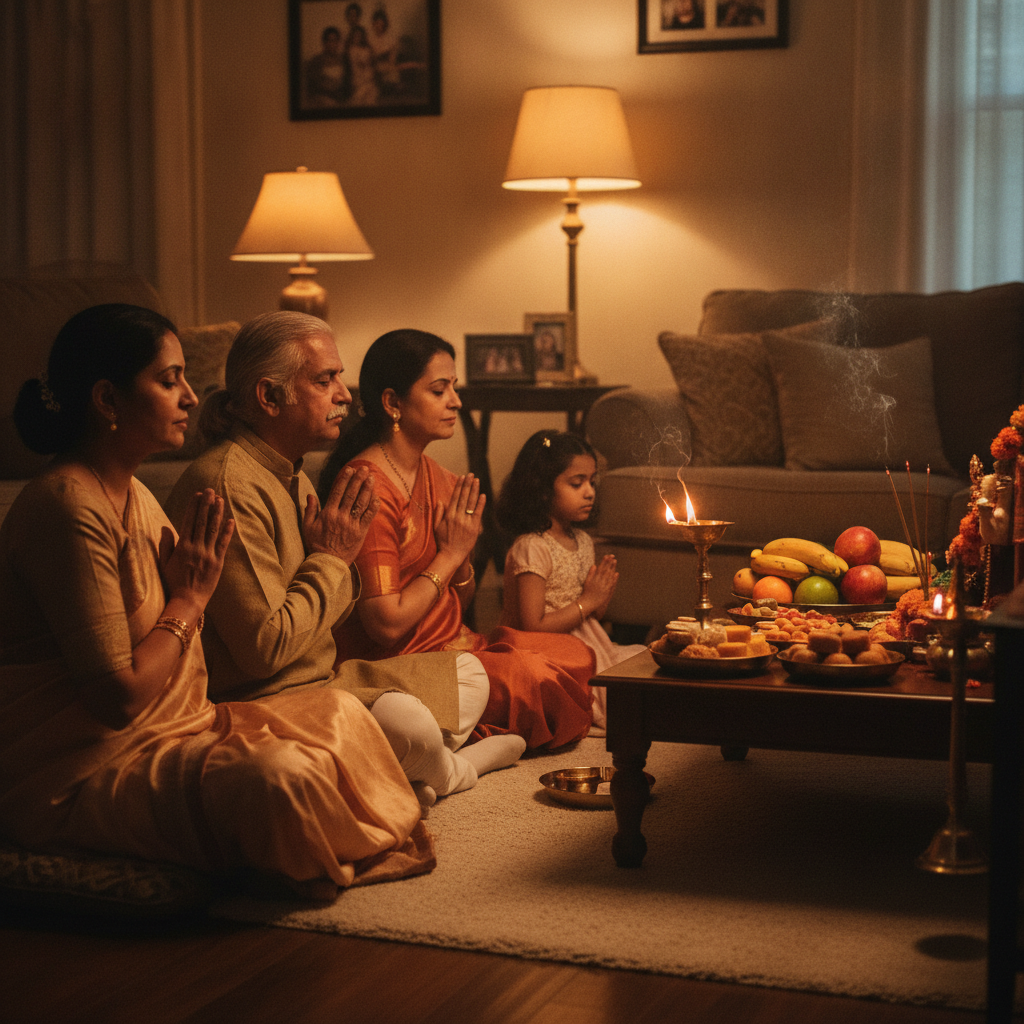
- Family coordination: shared practice (even 3 minutes together) builds teamwork.
- Decision clarity: pausing before choices lowers regret and backtracking.
World Astro’s integrated approach also addresses underlying Vaastu dosh. If you suspect misalignments, review our guide to common pitfalls in Vaastu dosh correction and note early vaastu dosh signs in home such as chronic clutter in the northeast or overactive fire in the southeast.
How home-peace puja works (Vaastu + astrology)
Rituals work best when place and time are aligned. Position your altar by Vaastu zones (NE for altar, SE for fire) and time sessions with your lunar day and weekday lord. This pairing reduces resistance and amplifies the effect of small actions.
Our flow starts with a quick space assessment and a calendar check. We place the altar where light feels settled (ideally northeast), split heat-producing elements to the southeast, and keep the home center open. We then match mantras to individual charts. The result is less energetic “noise” and more reliable calm.
- Assess space: door orientation, NE/SE/center condition, and ventilation.
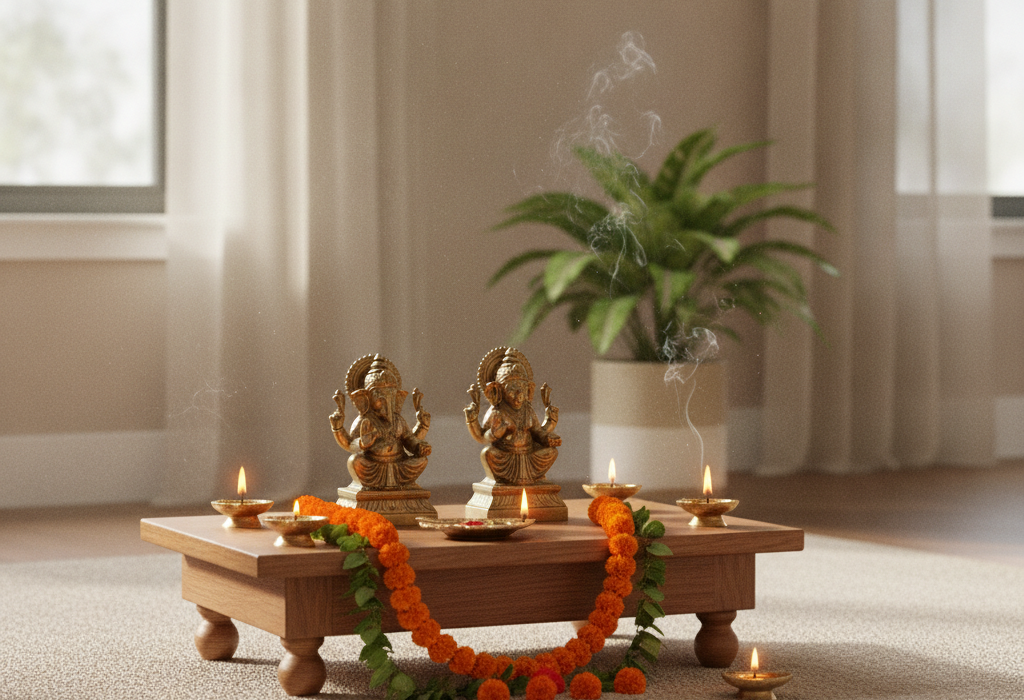
- Set altar: raised wooden base, idols/photos, diya, water bowl, bell, incense/diffuser.
- Match mantra: Ganesh, Shiva, Vishnu, or Navagraha focus per chart.
- Fix cadence: daily 5–10 minutes; weekly tidy; monthly reset.
- Review outcomes: journal sleep, mood, and cooperation weekly; adjust as needed.
Want to see the consultation blueprint? Explore our Vaastu consultation process steps for a clear, step-by-step framework we use with Brampton homes.
Pooja recommendations for home peace: what to perform and when
Begin with a daily diya and Ganesh mantra, add a Friday Lakshmi puja for harmony, and schedule a monthly Satyanarayan Katha. For heavy planetary periods, a short Navagraha routine or Mahamrityunjaya japa supports resilience—always tailored to your chart.
Daily micro-rituals (5–10 minutes)
- Light a diya or clean candle; offer water; ring a bell once to mark focus.
- Chant 11–21 reps of a personalized mantra matched to your chart.
- Keep the altar dust-free; swap flowers weekly; avoid synthetic clutter.
Weekly anchors
- Monday: Ganesh or Shiva focus for clarity and steady starts.
- Friday: Lakshmi offering for harmony and provisioning.
- Sunday: Surya gratitude; brief sunlight exposure and week planning.
Monthly/seasonal pujas
- Satyanarayan Katha: stability and gratitude; ideal near full moon.
- Navagraha puja: reset during tough planetary transit or dasha.
- Mahamrityunjaya japa: daily 5–15 minutes during health/fear cycles.
When your focus is planetary rather than deity-specific, scan our pooja recommendations by theme, and consider our concise housewarming muhurat guide if you’ve moved recently and want to set a stable baseline.
Best practices, setup, and safety
Keep the altar clean, well-ventilated, and child-safe. Use stable diyas on a heatproof plate, ventilate after incense, and never leave flame unattended. Short, consistent sessions outperform long, irregular ceremonies for measurable calm.
We blend spiritual hygiene with practical safety so habits stick. Aim for a layout you can tidy in under two minutes. If anyone is smoke-sensitive, use a diffuser. Place diyas on a metal tray, keep lighters out of reach, and crack a window post-ritual—especially helpful in winter-tight homes.
- Placement: NE is ideal; avoid unstable shelves or tight corners.
- Fire safety: tray under diyas; use a snuffer/spoon to extinguish.
- Air quality: brief ventilation; consider an essential-oil diffuser.
- Recordkeeping: note sleep, mood, and cooperation once a week.
For a homeowner-oriented Vaastu checklist to pair with your altar setup, see this Vaastu home design checklist. For layout considerations in new spaces, review a practical Vaastu consultation layout overview. These pieces provide helpful general reminders.
Tools, mantras, yantras, and gemstones
Use a minimal toolkit: diya, bell, water bowl, incense or diffuser, and a matched mantra. Add yantras or gemstones only after chart review so the remedy strengthens weak areas without unintended side effects.
We typically start with sound (mantra), light (diya), and a one-minute breath pause. If charts show specific imbalances, we may add a Lakshmi or Ganesh yantra near the altar or suggest a disciplined gemstone protocol. Keep all items dedicated for worship and clean weekly.
- Mantra: precise syllables linked to deities or grahas; count with a mala.
- Yantra: geometric focus tools for correct Vaastu zones; see yantra recommendation for home energy.
- Gemstone/Rudraksha: worn with purpose and guidance; complements puja, doesn’t replace it.
For everyday motivation, our quick-start list of daily mantras for positivity helps you keep momentum when life gets busy.
Want a personalized alignment? A 20–30 minute alignment check maps your altar to Vaastu zones and matches mantra to your charts. Start with our Vaastu consultation process steps and the concise astrology timing guide.
Step-by-step checklists
Make rituals frictionless: prepare a small tray, set a 10-minute timer, and keep all items together. Predictable, brief sessions at the same time each day compound faster than occasional long ceremonies.
5-minute daily flow
- Wash hands; silence phones; one mindful posture.
- Light diya; ring bell once; take 3 relaxed breaths.
- Chant 11–21 mantra reps; visualize light spreading at home.
- Offer water or fruit; close with gratitude.
- Extinguish safely; note one-word mood in a journal.
Monthly Satyanarayan basics
- Pick a full-moon evening; clear clutter in a 6–8 ft radius.
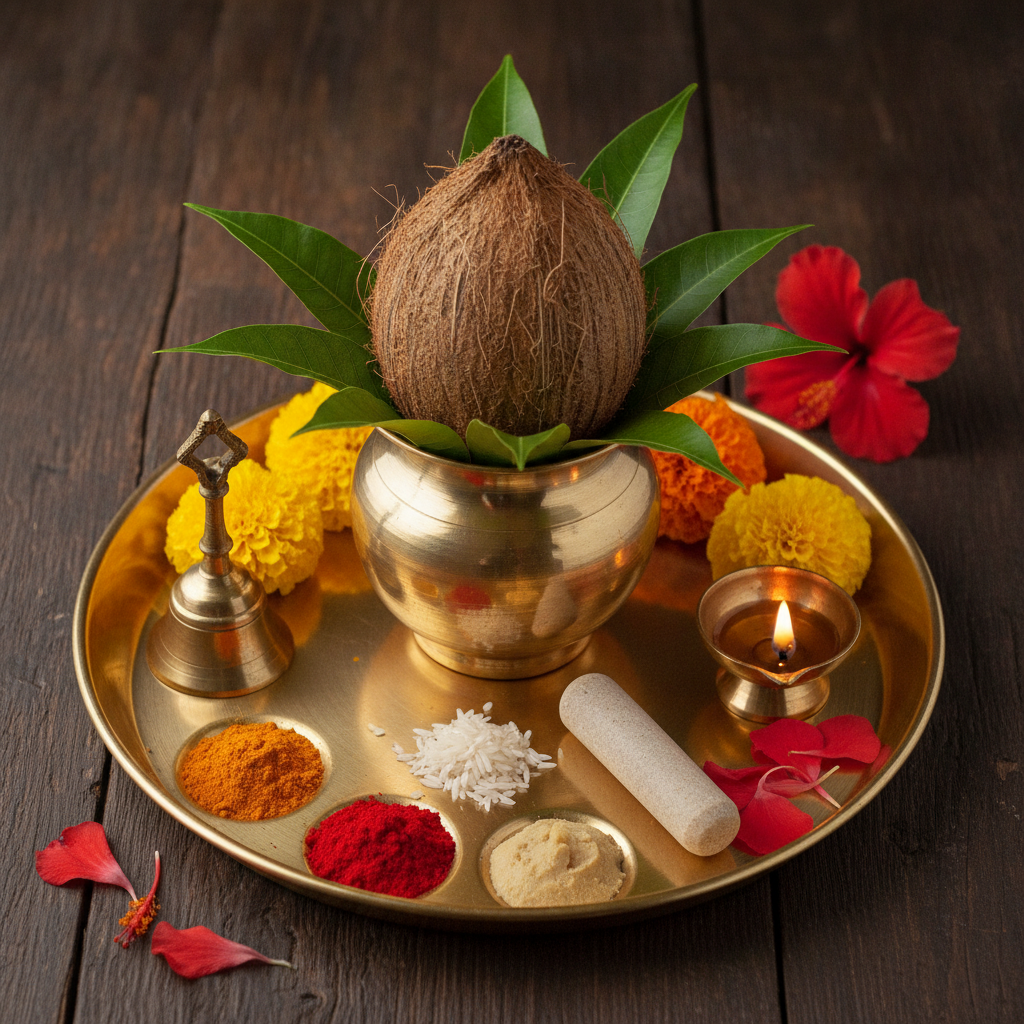
- Arrange thali: fruits, sweets, water, flowers, rice, and a clean cloth.
- Read the katha; invite family participation (roles help kids stay engaged).
- Share prasad; jot down wins and lessons.
- Track sleep and mood over the next week.
Stress-cycle reset (Navagraha)
- Confirm the triggering transit/dasha from charts.
- Perform brief graha mantras for 9–27 consecutive days.
- Add morning sunlight and a screens-off hour in the evening.
- Reassess sleep and mood after two weeks.
- Adjust mantra count, add a yantra, or extend the cycle if needed.
Common home-peace pujas compared
Choose the smallest ritual that fits your season. Daily Ganesh builds momentum; Friday Lakshmi harmonizes relationships; Satyanarayan stabilizes monthly rhythm; Navagraha resets tough cycles. Pair each with Vaastu hygiene.
| Puja | Main aim | Ideal timing | Typical duration | Best for |
|---|---|---|---|---|
| Ganesh Puja | Clarity, obstacle removal | Monday morning or new starts | 10–20 min | Students, new projects |
| Lakshmi Puja | Harmony, provisioning | Friday evening | 15–25 min | Family cohesion |
| Satyanarayan Katha | Stability, gratitude | Full moon | 45–75 min | Whole-house reset |
| Navagraha Puja | Planetary balance | Confirmed tough periods | 20–45 min | Recurring stress |
| Mahamrityunjaya Japa | Resilience, fear release | Health/fear cycles | 5–15 min daily | Recovery phases |
Planning your next move-in ritual? Our housewarming muhurat guide walks through choosing an auspicious day so your resets land smoothly.
Case examples from Brampton homes
Small, steady rituals deliver outsized gains. Recent Brampton cases show that five-minute daily mantras plus a monthly katha reduce arguments, improve sleep, and create calmer school mornings—without adding stress to the schedule.
- Young family, school rush: 7:10 a.m. 5-minute Ganesh mantra; NE declutter; Friday Lakshmi. Result: fewer morning meltdowns in two weeks.
- New homeowners: Satyanarayan post-move; Navagraha mini-cycle for 21 days. Result: better rest and fewer “broken appliance” weeks.
- Multigenerational home: shared Friday puja; diffuser instead of incense. Result: seniors slept better; fewer TV-volume disputes.
When festival days arrive, some families like to align home puja with a community visit. Here’s a short backgrounder on Maha Shivratri significance that many readers find inspiring ahead of Shiva-focused routines.
Local tips and timing for Brampton
Brampton homes benefit from winter-friendly ventilation, early-sunset scheduling, and nearby temple access for sankalp or prasad. Keep daily practice early on school nights, and plan monthly kathas when family calendars align.
Local considerations for Brampton
- For sankalp support or prasad after bigger pujas, families sometimes visit Bhavani Shankar Mandir or Bharat Mata Mandir; align your home ritual first, then supplement.
- In winter, ventilate briefly after incense and favor diffusers; schedule puja before early sunsets to protect kids’ sleep.
- During busy school terms, keep the daily flow to five minutes so no one skips; expand on weekends only.
FAQ: home-peace puja
Start with five minutes a day: diya, breath, mantra, and a small offering. Keep the altar clean. Add a monthly reset when needed. If smoke or time is an issue, use a diffuser, shorten recitations, and protect consistency.
How long should a daily home puja take?
Five to ten minutes is enough for most families. Light a diya, take three calm breaths, chant 11–21 mantra reps, and offer water or fruit. Consistency matters more than length—brief, daily practice compounds faster than occasional long sessions.
Which puja is best for home harmony?
A daily Ganesh focus builds clarity, and a Friday Lakshmi puja improves cooperation and provision. For deeper stabilization, add a monthly Satyanarayan Katha. If you’re in a tough planetary period, a short Navagraha routine helps reset momentum.
Can we avoid incense due to allergies?
Yes. Use a clean candle or electric diya for light, and swap incense for an essential-oil diffuser. Keep windows cracked for fresh air. The intention and consistency matter more than smoke; choose options that keep everyone comfortable and safe.
Do gemstones or yantras replace puja?
They complement but don’t replace daily practice. Gemstones, Rudraksha, and yantras work best when customized to your chart and placed in correct Vaastu zones. Use them to reinforce, not substitute, your daily five-minute ritual and monthly reset.
How soon will we see results?
Many families notice subtle calm in 7–10 days and clearer routines in 21–40 days. Track sleep and mood weekly. If progress stalls, adjust mantra count, timing, or add a monthly katha with guidance to re-energize the practice.
Key takeaways
Keep it short and steady: 5–10 minutes daily, one weekly anchor, and a monthly reset. Align place (Vaastu) and time (astrology), and track simple outcomes like sleep and mood to guide adjustments.
- Daily diya + mantra builds momentum faster than occasional long pujas.
- Clear the northeast, balance kitchen heat, and refresh the entry weekly.
- Match rituals to charts; use yantras and gemstones only with guidance.
- Expect first changes in 7–10 days; stronger stability by day 21–40.
- Use monthly Satyanarayan as your household reset anchor.
Where to go next in your Vaastu journey
Maintain the five-minute daily habit, pick one weekly anchor, and schedule a monthly reset. For targeted remedies, align mantra, yantra, and gemstone choices with your charts and Vaastu zones.
If you’re new to remedies, start with our concise pooja recommendations by focus, learn how to choose a mantra that fits, and explore which yantra supports your home. If a recent move is in the cards, review the muhurat selection guide so your first month sets the right tone.