




Email horoscope service explained: what is it and why does it matter?
A short definition: what an email horoscope service is
An email horoscope service explained in plain language is a subscription that delivers astrological forecasts and related guidance directly to your inbox on a regular schedule, such as daily, weekly, or monthly. Unlike a one-off consultation, which analyses your full birth chart in a live session, an email horoscope can be either sign-level content for general audiences or a personalised message that uses your birth details. Most services deliver to phones, tablets, and computers, and readers choose them for convenience, quick transit alerts, and ongoing reminders of actionable dates or simple remedies. World Astro lists “Email My Horoscope” and daily, weekly and monthly horoscopes among its offerings, and a detailed explanation of how their email-horoscope readings work is available on the email horoscope reading process page.
What a typical email horoscope includes
Not every provider sends the same content. Here are the common elements you should expect when comparing services.
Frequency options
- Daily emails: short, focused notes about the next 24 hours.
- Weekly emails: a summary of the week ahead, often with dates to watch.
- Monthly emails: a higher-level forecast and priorities for the coming month.
Personalization levels
- Sign-level forecasts: content written for your sun sign only, suitable for broad updates.
- Mixed sign or moon/sun focus: deeper notes that reference sun and moon placements or rising sign if provided.
- Birth-chart based emails: personalised transit notes and targeted reminders that require your date, time and place of birth.
Typical content types
- Transit highlights and short explanations of what to expect emotionally or practically.
- Practical reminders for timing decisions, such as days favourable for meetings, contract review, or travel.
- Concise remedial tips and simple practices; some services include recommended mantras, yantras, or non-prescriptive lifestyle suggestions.
- Short inspirational notes or weekly action items designed to make astrological insight usable each day.
For provider-specific formatting, sample emails, and sign-up options, see World Astro’s email horoscope reading process which explains how they deliver and personalise their email horoscopes.
How delivery works, device compatibility and common issues
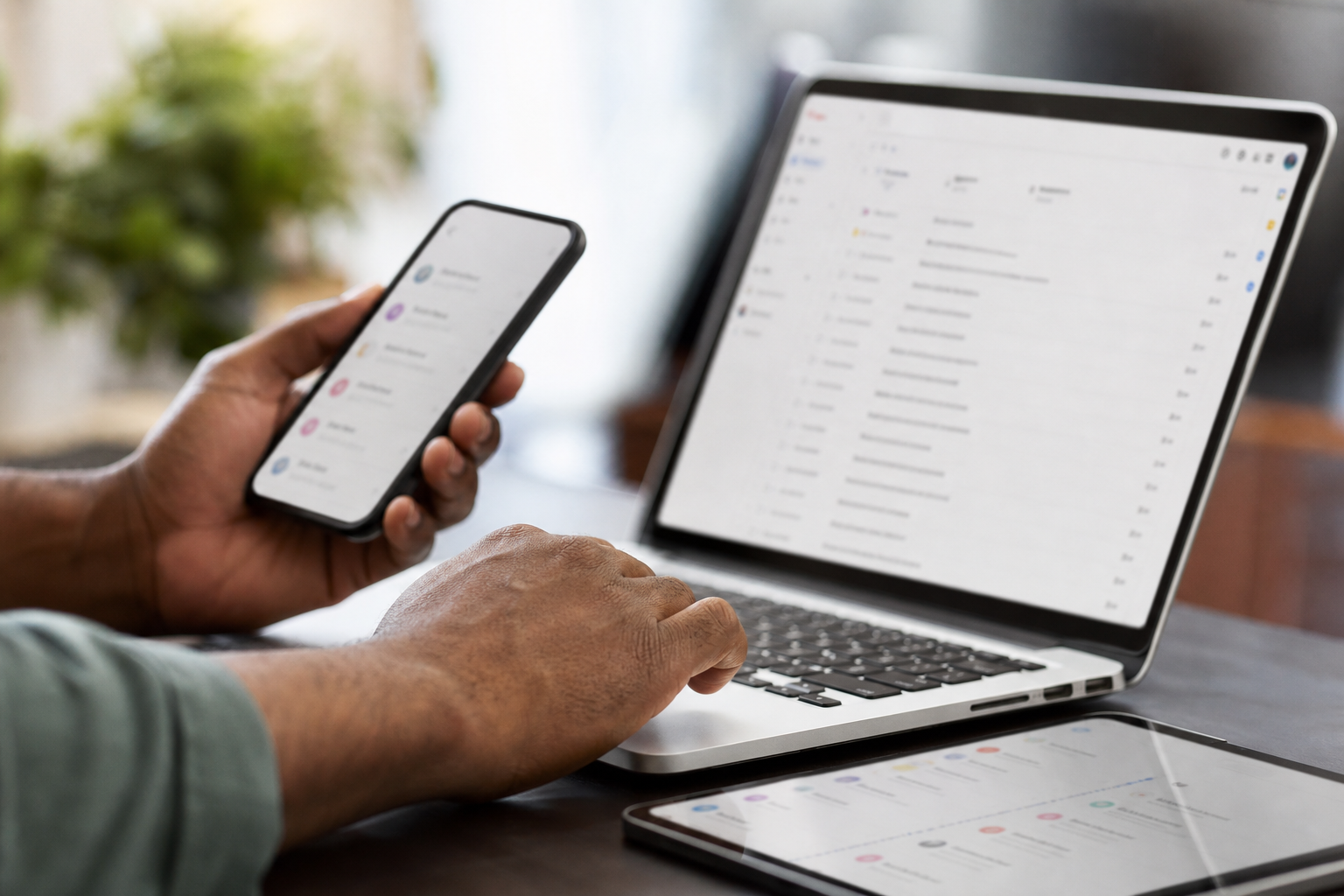
Email horoscopes are delivered the same way other subscription emails are. The messages arrive in your chosen email address and should be readable on phones, tablets and desktop computers. Common issues are not unique to astrology; they stem from standard email delivery problems and content errors that happen before a message is sent.
Common delivery problems and simple fixes
- Missing emails: check the spam, junk, and Promotions tab in Gmail; add the sender to your contacts to improve deliverability.
- Broken images or links: some email clients block images by default, so allow images or click the message’s “view in browser” link when provided.
- Incorrect personalization or merge errors: if a name or birth detail looks wrong, confirm the information you submitted and contact support to correct merge-tag issues.
- Subscription confirmations: many services use a double opt-in to verify addresses; confirm your subscription via the confirmation email to start receiving messages.
These problems are routine for mass email services, and organisations that run subscription programmes rely on pre-send checklists and testing to reduce errors. A practical pre-send checklist helps catch broken links, missing merge tags, and segmentation mistakes before messages go out, as explained in an industry checklist resource. If you need an example of subscriber FAQ guidance on delivery expectations, see a common vendor FAQ that explains where daily horoscope emails should appear and what to check if they do not arrive.
Privacy, data and confidentiality: what to ask before you subscribe
Privacy is a central distinction between non-personalised newsletters and birth-chart emails that require personal data. If a service asks for date, time and place of birth, that data is personal and you should confirm how it is handled. World Astro emphasises client confidentiality and professional ethics on their site, and readers can review process details on the email horoscope reading process page for information specific to World Astro’s handling of personal data.
Questions to ask a provider before you share birth details
- How is birth data stored and for how long?
- Who has access to my birth data and email address?
- Is the data used only to generate personalised emails or shared with third parties?
- How can I request deletion of my data or unsubscribe permanently?
Asking these questions up front helps you select a provider whose privacy practices match your expectations, and it clarifies whether you are signing up for a simple newsletter or a service that maintains a personal chart profile.
How an email horoscope complements a live consultation or Vaastu service

An email horoscope is a complementary tool, not a replacement, for a live Vedic astrology consultation or an in-depth Vaastu engagement. Use cases include:
- Daily or weekly reminders that reinforce timing advice given during a live reading.
- Transit alerts that prepare you for important events and help you book muhurat or act at the right time.
- Follow-up check-ins after a Vaastu change so you can monitor progress and stay aligned with recommended remedies.
Emails are best for continuity and small course corrections. For personalised remedies, gemstones, or a full Vaastu plan, a live consultation remains the appropriate path because it allows for deeper context and tailored prescriptions.
Decision checklist: 6 things to compare before you subscribe
Compare these six items to decide whether an email horoscope subscription will meet your needs.
1) Personalization level
Ask whether emails are sign-level only or based on your birth chart. Personalised transit notes require birth details and deliver deeper relevance.
2) Frequency and flexibility
Confirm whether you can choose daily, weekly, or monthly delivery and whether you can pause or change frequency without losing account data.
3) Privacy and data handling
Check how the provider stores and deletes birth details, who can access that data, and whether they publish a privacy statement or process note. World Astro emphasises client confidentiality and provides a process page for readers to review specifics.
4) Deliverability and support
Look for clear subscriber support and an FAQ explaining delivery problems. Reliable senders follow email best practices and pre-send checks to avoid broken links and missing merge tags, a common source of subscriber issues documented in professional email checklists.
5) Integration with consultations and remedies
Decide if you want emails to reinforce a live consultation. Some providers link emails with paid readings, muhurat alerts, or Vaastu follow-ups; confirm that integration if you plan to use both services.
6) Cost transparency and cancellation terms
Make sure subscription pricing and cancellation policies are clear before you enter payment details. Transparent terms prevent surprises and protect your ability to stop the service if it no longer fits your needs.
How to subscribe and next steps
If you are ready to try an email horoscope, start by reviewing the service-specific details and sign-up flow. For World Astro readers, the email horoscope reading process describes available formats and the information you will be asked to provide. Typical preparation steps include confirming the email address you want to use and, for personalised emails, having your birth date, exact birth time, and birth place ready. If you prefer to combine ongoing emails with a live reading, consider starting with a consultation and adding the email subscription thereafter for ongoing transit alerts and reminders.
Frequently asked questions
How often will I receive horoscope emails and can I change the frequency?
Most providers offer daily, weekly, or monthly options. Changing frequency is usually possible in account settings or by contacting support; check the provider’s subscription FAQ for the exact steps and any timing restrictions.
Will my email horoscope be personalised from my birth chart or only sign-level?
It depends on the service. Sign-level emails are common and require no birth data. Personalised emails need date, time and place of birth and will explicitly state they use your chart. Ask the provider which level they deliver before you submit personal details.
What should I do if my daily horoscope email does not arrive?
Check spam, Promotions or junk folders, and add the sender to your contacts. Ensure you confirmed any double opt-in message. If problems persist, contact the provider’s support team and reference the confirmation and the date you expected the email. Providers typically document troubleshooting steps in their subscription FAQ pages.
How does World Astro protect my personal birth data and email address?
World Astro highlights client confidentiality and professional ethics and provides a process page with details on how their email-horoscope readings work. If you need specific privacy terms, review that process documentation and the privacy policy on their site or contact them directly for confirmation.
Can I combine an email horoscope subscription with a live consultation or Vaastu visit?
Yes. Many clients use email subscriptions as ongoing reminders after a consultation or Vaastu correction. Emails provide continuous transit alerts and short reminders, while live consultations and Vaastu visits deliver deeper, tailored advice and remedial measures.
For the precise sign-up steps and full service description, review World Astro’s email horoscope reading process to learn how their subscription options work and to begin the sign-up.