




How to Pick Rudraksha: Save Time and Feel Sure 2026
Rudraksha recommendation is the structured process a Vedic astrologer uses to match specific bead “mukhi” counts to your birth chart and goals. At World Astro in Brampton (33 Seachart Pl), we analyze your horoscope and planetary cycles, then advise the bead, energization, and wear method. Here’s how rudraksha recommendations work in practice.
By Nirwair, World Astro • Last updated: 2026-06-16
Quick Summary
Rudraksha selection follows a clear flow: share birth details, get your chart analyzed, align a mukhi with planetary needs, authenticate the bead, energize it with mantra, and wear it on the right day and side. World Astro guides you end to end: selection, sanctification, care, and follow-up.
In a nutshell, you’ll provide accurate birth data, we’ll review nakshatra, dasha/bhukti, and afflictions, and then recommend a bead or mala. You’ll receive instructions for cleaning, energizing, and wearing, plus check-ins to track how you feel over 21–40 days.
Introduction
Rudraksha recommendations connect your horoscope to a specific bead type and practice. The aim is to steady the mind, align planetary themes, and support disciplined habits like mantra and breathwork. A consistent routine matters more than collecting many beads.
World Astro is a Canada-based Vedic astrology and Vaastu practice led by Nirwair Ji. We specialize in personalized guidance—birth charts, muhurat, Vaastu correction, gemstones, yantras, mantras, and pooja suggestions—delivered with confidentiality and ethics.
- What you’ll learn in this guide:
- How rudraksha recommendations work step by step
- How chart factors map to specific mukhi counts
- How to authenticate, energize, and wear beads safely
- How rudraksha integrates with gemstones, yantras, and Vaastu
- When to review, troubleshoot, and adjust your routine
Prefer a live consult? Explore our astrology consultation for life decisions or get a written plan via Email My Horoscope. For bead guidance specifically, see Gems & Rudraksha Recommendation and Instructions.
Before You Start (Prerequisites)
Gather accurate birth data, medical/context notes, and your current practice details. Share intentions (stress relief, focus, career, health), note allergies or metal sensitivity, and clarify workplace dress rules. These basics shape a safe, practical rudraksha plan.
Good inputs make good outcomes. We prepare your natal and transit charts, then cross-check life events to validate timing. A clear intention—e.g., calmer sleep, exam focus, or steadier leadership—makes selection and mantra practice straightforward and trackable.
Local considerations for Brampton
- Plan pick-up or courier timing around evening traffic near Highway 50 – Zum Queen Station Stop WB; mornings are smoother.
- Festival seasons see higher in-person demand near Bhavani Shankar Mandir; book your consultation slot a week early.
- Keep malas dry in winter; move from cold to warm rooms gradually to avoid bead surface stress.
- Checklist before your session:
- Birth date, time (to the minute if possible), and city
- Top 1–2 goals (e.g., anxiety relief; exam clarity)
- Any health advisories from your clinician (for materials or wearing duration)
- Existing spiritual routine (mantra, meditation minutes/day)
- Dress code or safety rules that affect wrist/neck wear
Tip: If your birth time is uncertain, we can use event cross-checks to narrow it, then finalize a wearing plan. When needed, we’ll recommend a general-purpose bead while birth-time rectification continues.
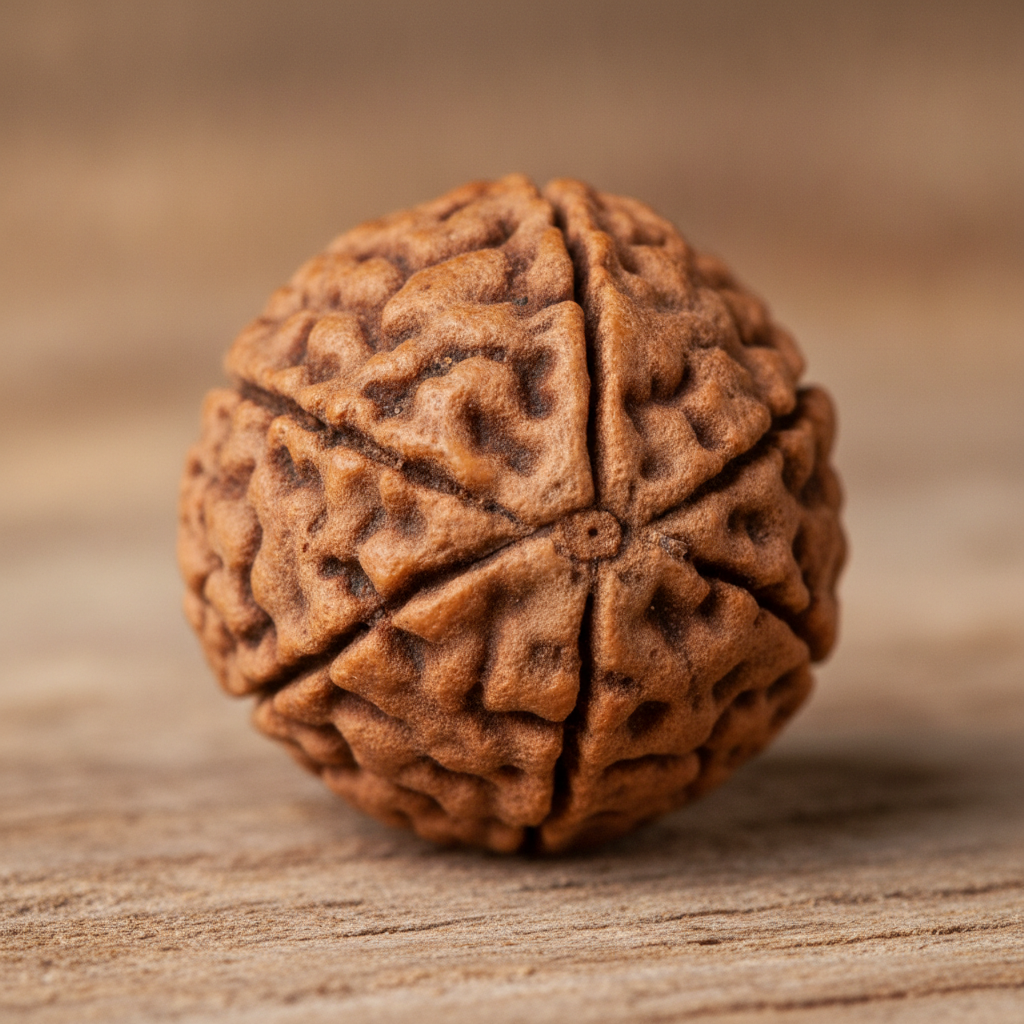
How Rudraksha Recommendations Work (Step-by-Step)
We translate your horoscope into a practical wearing plan. Steps: intake, chart analysis, mukhi mapping, authenticity tests, energization, wearing day/time, and follow-up. Each decision ties back to planetary themes and your real-life goals.
Step 1 — Intake and intention
- Share birth data (date, time, city) and your top 1–2 outcomes.
- Note lifestyle limits (sports, uniforms), allergies, and metal sensitivity.
- Clarify whether you prefer wrist, neck, or pocket carry.
We document a baseline: stress level, sleep quality, energy across a 7-day window. This makes progress measurable over 21–40 days of practice.
Step 2 — Chart analysis that matters
- Core review: Moon sign and nakshatra (mind/emotions), rising sign (body/environment), and current dasha/bhukti (timing).
- Afflictions: malefic aspects to Moon, lagna lord weakness, Saturn/Mars pressure in houses that match your goal area.
- Validation: 3–5 life events to confirm chart accuracy before prescribing.
In our experience with clients in Brampton and Mississauga, 108-bead malas help steady breath counts for new meditators, while single-bead wrist wear suits field jobs that restrict necklaces.
Step 3 — Mukhi selection logic
- Map needs to traditional correspondences (e.g., stability/discipline → Saturn themes; learning/speech → Mercury themes).
- Favor universally accepted beads (like five-mukhi for routine clarity) before rarer mukhi types.
- If two areas compete, sequence wear (e.g., 40 days each) instead of stacking too much at once.
Here’s a high-level, practitioner-style snapshot. Always personalize with your chart and goals.
| Focus | Common Mukhi Mapping | Notes |
|---|---|---|
| Calm & routine | 5-mukhi | Widely used; supports breath rhythm and daily discipline. |
| Speech & study | 4- or 6-mukhi | Linked to learning, expression, and organized thinking. |
| Leadership poise | 1-, 12-, or 13-mukhi | Reserved for specific charts; energization is mandatory. |
| Heart openness | 12- or 14-mukhi combo | Advanced; only after baseline practice is steady. |
| Grounded stamina | 7- or 8-mukhi | Consider for long projects and consistent effort. |
Step 4 — Authenticity and quality checks
- Visual: natural lines, grooves, and seed density; avoid perfect “machine” symmetry.
- Touch: firm yet organic texture; no resin gloss or artificial smell.
- Float test is unreliable; prioritize reputable sourcing and loupe inspection.
We document bead characteristics and, where possible, provenance notes. Keep a simple log with photos before and after stringing.
Step 5 — Energization and muhurat
- Clean with mild water; optionally a few drops of traditional sanctifying liquid.
- Prana-pratishtha: focused intention plus mantra; 108 rounds is a common count.
- Choose wearing day/time by your chart—new/bright lunar phases often suit beginnings.
Mantra and breath align attention. A calm, distraction-free 15–20 minutes is enough for most people starting out.
Step 6 — Wearing and safety
- Neck: keep beads above sternum; use natural thread or quality wire.
- Wrist: ensure free blood flow; remove for heavy contact sports.
- Carry: pocket pouch for settings that prohibit jewelry.
Routines must fit your real life—or they won’t last. We plan wear slots that match your commute, meetings, and family time.
Step 7 — Review and adjust
- Track: sleep, focus, mood, and energy changes at day 7, 21, and 40.
- Tune: increase or reduce mantra minutes; swap wrist/neck wear as needed.
- Integrate: pair with a simple yantra or supportive gemstone if indicated in the chart.
Want a written checklist and timeline? Our Email Horoscope reading process includes step-by-step practice notes tailored to your chart.
Troubleshooting: Common Issues and Fixes
Most issues trace back to mismatched goals, inconsistent practice, or bead quality. Re-verify intentions, simplify wear, ensure the bead is authentic, and re-energize with 108 mantra counts. Adjust in one-week increments.
Signs to reassess
- Overstimulation or restlessness during the first week
- Skin redness from thread or metal components
- No change after 21 days despite daily mantra
Actions that help: shorten mantra to 54 counts temporarily, move from neck to wrist, or pause on intense days and resume after sleep normalizes. For component irritation, switch to cotton or hypoallergenic wire.
Quality pitfalls
- Artificial resin coating that blocks natural pores
- Mismatched or glued segments marketed as “rare” mukhi
- Stringing too tight—beads crack from pressure fluctuations
When in doubt, schedule a brief check with us. We’ll review photos, thread type, and your practice notes to correct the setup quickly.
Advanced Tips (Optional)
Advance only after your baseline routine feels steady for 40+ days. Sequence goals, combine remedies methodically, and document effects. Add yantras or gemstones only when the chart and your log both justify it.
Thoughtful combinations
- Rudraksha + gemstone: Pair only if the same planetary theme serves your stated goal. See our lucky gemstone guide.
- Rudraksha + yantra: Use a desk-size yantra to anchor attention during work. Practical start-up notes are in specific yantra instructions.
- Rudraksha + Vaastu: A calmer bedroom or clutter-free desk often multiplies benefits from the same 15-minute practice.
Documentation makes progress visible
- Keep a 1–5 rating for sleep, focus, and mood daily.
- Write one sentence on what helped most today (mantra time, breath pace, or quiet corner).
- Review weekly to decide whether to maintain, scale, or switch focus beads.
Curious how chart detail drives decisions? Read our explainer on how birth chart analysis helps decisions. You’ll see why timing (dasha/bhukti) often matters more than the bead itself.

Need a personalized plan? Book a confidential session with World Astro for a practical, chart-based routine that fits your schedule. Start with a focused talk to astrologer consultation—we’ll map one clear next step.
Tools and Resources You Can Use
Use simple, reliable tools: a clean mala, a timer or breath app, a quiet corner, and written instructions. Add yantra or gemstone support only when aligned with your chart and goals.
- World Astro resources:
- Gems & Rudraksha Recommendation for bead care and practice notes
- Astrology consultation for a live, guided setup
- Email Horoscope reading for written routines and timing
- Yantra recommendations to anchor focus at your desk
For additional context on jewelry materials and handling, see an external gemstone handling guide. For home energy ideas that complement practice, this Vaastu design checklist explains layout basics. Lifestyle rituals also benefit from clarity—compare routines to how people plan significant jewelry, like shared here by a retailer’s expert tips post.
How This Helps in Brampton and the Regional Municipality of Peel
A local, tailored plan respects your commute, climate, and cultural calendar. In Brampton and across the Regional Municipality of Peel, we schedule wear windows, festival considerations, and follow-ups that fit your week—so your routine sticks.
- Weather-aware routines: indoor winter practice, brief summer sunrise rounds, and bead drying tips after rain.
- Festival timing: start a new routine between major gatherings for calmer adjustment.
- Work-life rhythm: choose wrist wear for field roles; neck wear for desk days.
We’ve found that clients who block a consistent 15-minute window—often right before breakfast or just after work—report steadier focus within 21 days than those who “fit it in” randomly.
Frequently Asked Questions
These concise answers address the most common questions about selection, energization, and daily wear. If you need a plan tailored to your chart, book a short consultation and we’ll guide you step by step.
How do I know which mukhi is right for me?
Match the bead to your chart-driven goal. We review Moon sign, nakshatra, and current dasha, then map to a suitable mukhi (often starting with five-mukhi for routine). Personalization beats generic lists—one focused bead worn consistently outperforms collecting many.
Do I need to energize the bead before wearing?
Yes. Clean gently, set a clear intention, and complete 108 mantra recitations if possible. Choose a suitable muhurat day and a quiet 15–20 minute window. Re-energize after illness, intense travel, or if practice lapses for several weeks.
Can I wear gemstones and rudraksha together?
Sometimes. Combine only when the same planetary theme truly supports your goal. We recommend sequencing rather than stacking. See our gemstone guide and request chart-based pairing notes.
What if my birth time is uncertain?
We narrow it with event cross-checks and may start with a general-purpose bead while rectification proceeds. After 21–40 days, we review your notes and adjust the plan. Consistency in practice matters more than exact timing during the first phase.
Conclusion
The best rudraksha plan is simple, personal, and sustainable. Align one bead with your chart and goal, energize it well, and practice daily for 21–40 days before making changes. Small, steady steps deliver the biggest gains.
Key takeaways
- Clarity first: one goal, one bead, one routine
- Personalization: chart timing (dasha/bhukti) guides selection and muhurat
- Quality: authenticate beads and string with care
- Practice: 108 counts or a steady 15–20 minutes works for most
- Review: adjust at day 7, 21, and 40—document what changes
Next steps
- Book a confidential talk to astrologer session for a custom plan
- Prefer email? Request a written routine via Email Horoscope
- Already wearing a bead? Skim our Rudraksha instructions and start a 21-day log
Ready to begin? Schedule your personalized rudraksha plan—online or in person at our Brampton location. We’ll meet you where you are and build a routine that fits your life.
Additional Resources
Explore these resources to strengthen your practice: how chart analysis informs decisions, why gemstone pairing needs care, and how yantras steady focus at work. Use one upgrade at a time.
- Birth chart analysis guide (how we translate charts to action)
- Lucky gemstone tips (when pairing makes sense)
- Yantra how-to (desk setup and practice)
Final CTA: Book a discovery session in Brampton to receive a clear, one-page plan and a realistic 21–40 day routine tailored to your week.