



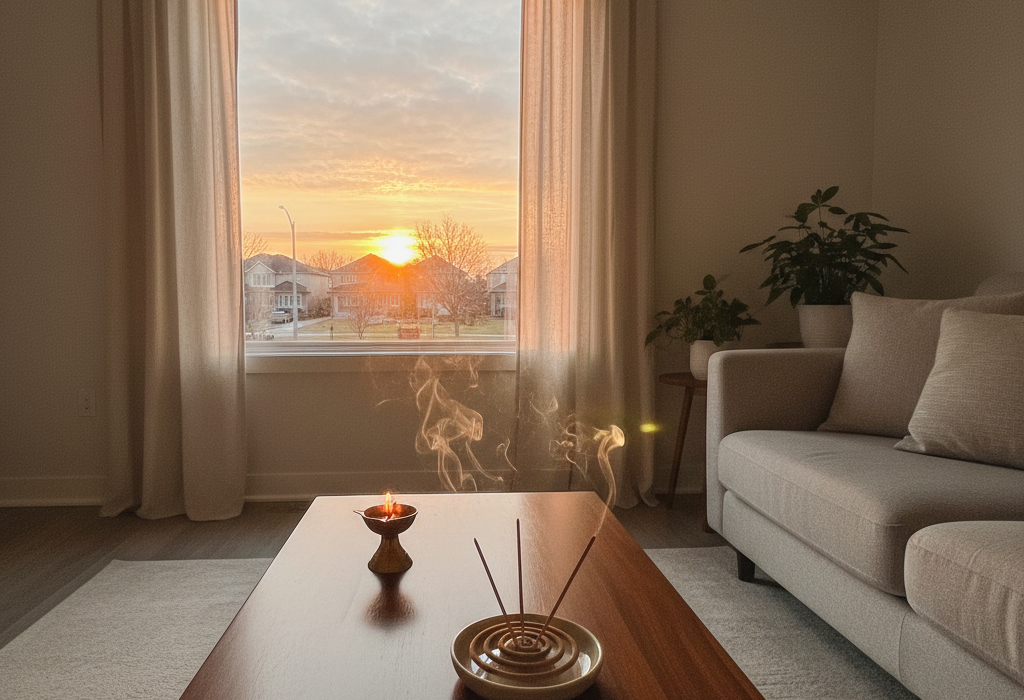
Rahu Kaal and Shubh Samay: Choose Wisely in 2026 Today
Rahu Kaal and Shubh Samay are daily time windows used in Vedic astrology to avoid inauspicious starts and choose auspicious moments. At World Astro in Brampton (33 Seachart Pl), we use these rules to plan muhurats for weddings, business openings, house moves, pooja, and more—balancing classical timing with your schedule.
By Nirwair — World Astro
Last updated: 2026-05-12
Overview and table of contents
This guide explains what Rahu Kaal and Shubh Samay mean, why they matter, and how to calculate and use them daily. You’ll learn step-by-step rules, see real Brampton examples, and get best practices to avoid common mistakes when scheduling important life events.
Here’s how this complete guide is structured. Jump to any section that fits your question.
- What are Rahu Kaal and Shubh Samay?
- Why timing matters in Brampton and Peel
- How Rahu Kaal is calculated (with examples)
- Choosing Shubh Samay for your event
- Approaches to picking auspicious times
- Best practices and common mistakes
- Tools and resources
- Case studies and examples
- FAQ
- Conclusion and key takeaways
Rahu Kaal and Shubh Samay explained: the basics
Rahu Kaal is a roughly 90-minute window each day considered unfavorable for starting new work. Shubh Samay refers to auspicious periods—like Abhijit Muhurat or custom muhurats—ideal for initiating important tasks. Together, they help you sidestep obstacles and choose timing that supports success.
In classical Vedic practice, the day (sunrise to sunset) is divided into eight equal parts. One of those segments is assigned to Rahu Kaal. While you can continue routine tasks during Rahu Kaal, we recommend avoiding first-time starts, signings, launches, and life‑defining beginnings.
Shubh Samay is the counterbalance—windows with supportive planetary and lunar conditions. The midday Abhijit Muhurat is a common example, and personalized muhurats align a client’s horoscope with the local place and date for stronger outcomes.
For deeper background on nodal influences, see our primer on Rahu’s role in timing in the astrological significance of Rahu, and our focused service notes in Rahu Kaal guidance.
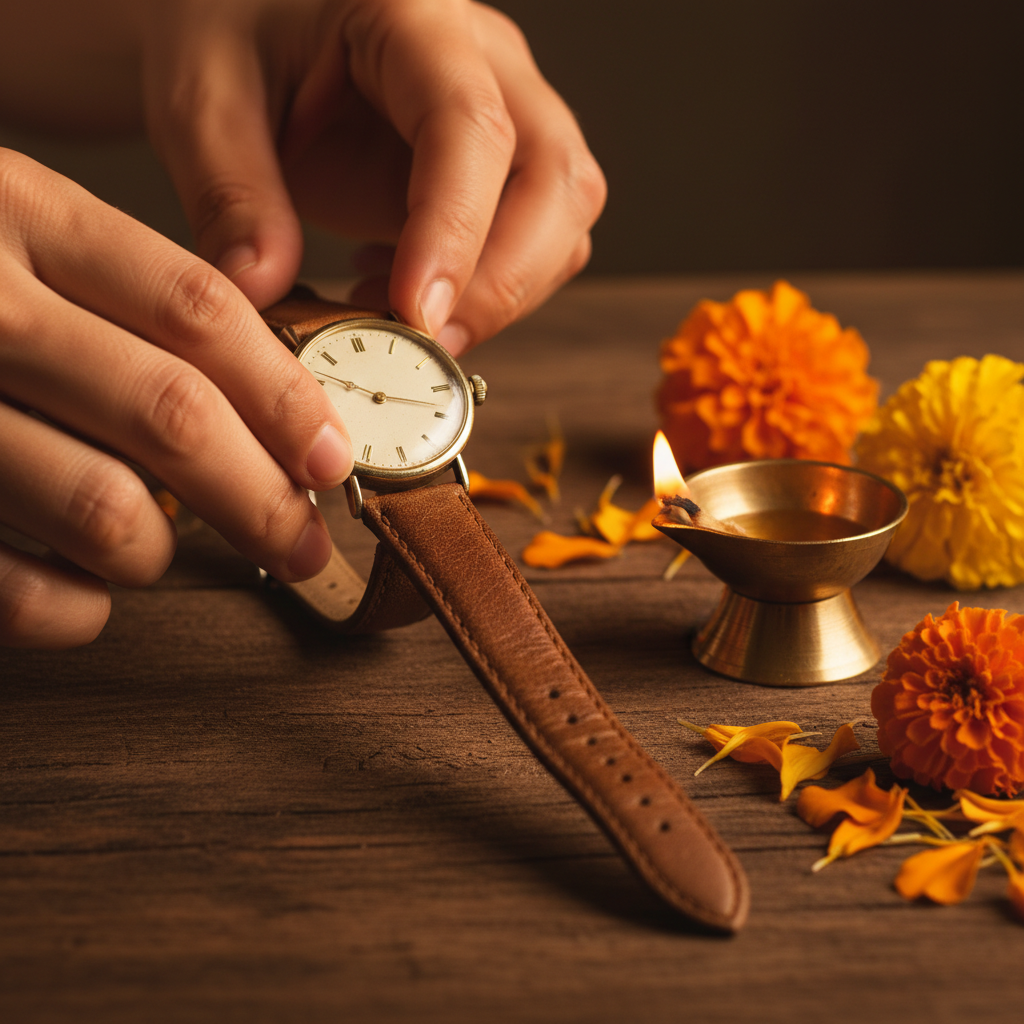
Why timing matters in Brampton and the Regional Municipality of Peel
In Brampton and the Regional Municipality of Peel, sunrise and day length vary widely across seasons, which shifts daily muhurats. Localizing Rahu Kaal and Shubh Samay to your exact sunrise ensures your wedding, business opening, or house move starts under the most supportive timing.
Brampton sits at a latitude where summer and winter day lengths differ by several hours. That changes when Rahu Kaal and Abhijit Muhurat fall. If you’re opening a storefront, scheduling a griha pravesh (house entry), or planning a pooja, small timing shifts can make major logistical differences.
In our experience working with families and business owners across Peel, synchronizing auspicious windows with practical realities (venues, guests, contractor windows) removes stress. We also combine Vaastu checks to ensure the space supports the new beginning—especially for moves and business launches.
To avoid common pitfalls, review our guide on muhurat mistakes to avoid, then align dates with a brief astrology consultation to finalize the best start.
Local considerations for Brampton
- For temple-based ceremonies, coordinate with one nearby venue calendar (for example, Bhavani Shankar Mandir & Cultural Centre) early; auspicious dates book quickly around festivals.
- Plan buffers around winter weather and summer rush. Day length swings shift Abhijit Muhurat; allow 30–45 minutes of flexibility for travel and setup.
- When hosting events near major routes (e.g., around the Highway 50 – Zum Queen Station Stop WB corridor), account for traffic peaks so you don’t slip into Rahu Kaal during arrivals.
How Rahu Kaal is calculated (with examples)
Calculate Rahu Kaal by dividing sunrise-to-sunset into eight equal parts, then applying the weekday’s assigned segment. Each segment is roughly 90 minutes on a 12‑hour day. Avoid starting new work during that window; continue routine tasks as normal.
Here’s the step-by-step method we use in Brampton and across Canada.
- Find the local sunrise and sunset for your date and location.
- Compute day length (sunset minus sunrise) and divide by 8 to get one segment.
- Locate the weekday’s Rahu Kaal segment number (see the table below).
- Add segments from sunrise to reach the Rahu Kaal window.
- Mark that 1‑segment span as inauspicious for first‑time starts.
A quick reference table helps. The actual clock times change daily, but the sequence of segments stays fixed by weekday.
| Weekday | Rahu Kaal segment (1–8) | Example on a 6am–6pm day |
|---|---|---|
| Monday | 2nd | 7:30 am – 9:00 am |
| Tuesday | 7th | 3:00 pm – 4:30 pm |
| Wednesday | 5th | 12:00 pm – 1:30 pm |
| Thursday | 6th | 1:30 pm – 3:00 pm |
| Friday | 4th | 10:30 am – 12:00 pm |
| Saturday | 3rd | 9:00 am – 10:30 am |
| Sunday | 8th | 4:30 pm – 6:00 pm |
On longer summer days in Brampton, each segment can exceed 90 minutes; on short winter days, it’s less. That’s why we always compute with the day length rather than using a fixed clock time.
Related time windows include Yamagandam and Gulika Kaal (also roughly one segment each). For nodal context and practical remedies, explore our topic hub on Rahu and Rahu and Ketu.
Choosing Shubh Samay for your event
Shubh Samay combines universal auspicious windows—like Abhijit Muhurat near local solar noon—with personalized muhurat selection based on your birth chart, location, and event type. The goal is simple: start when planetary, lunar, and local factors align to support the outcome.
Three practical ways we identify Shubh Samay for clients:
- Abhijit Muhurat (midday): A brief, generally auspicious window centered on local solar noon. It floats with the season. We calculate it by halving the day length and applying a small offset around the midpoint.
- Choghadiya guidance: Day and night are divided into quality‑marked slots; we prefer “Amrit,” “Shubh,” and “Labh” designations for starts and avoid “Rog,” “Kaal,” and “Udveg.”
- Personalized muhurat: We overlay your horoscope, event type, and Brampton’s date/place factors to pick a window. This is our go‑to method for weddings, house entries, and business launches.
Clients often ask, “Can I start paperwork before Shubh Samay?” Routine prep is fine; we simply avoid the formal first act (signing, ribbon‑cutting, first light, first payment) until the window opens. For event types with tight logistics, we’ll sequence ceremonial steps so the key moment lands inside the best slot.
When a move involves floor plan changes, Vaastu can further optimize results. General layout primers like this Vaastu consultation home layout overview can help you visualize options before your personal session.
Approaches to picking auspicious times
Use a simple daily check to avoid Rahu Kaal, a targeted Shubh Samay for regular tasks, or a full personalized muhurat for major life events. The higher the stakes, the more we tailor timing with charts, locality, and Vaastu.
Everyday scheduling (fast and effective)
- Daily Rahu Kaal check: Compute once each morning. Avoid first‑time starts in that 1‑segment window. Keep routine work flowing.
- Pick one Shubh slot: Choose Abhijit or a favorable choghadiya for the day’s key action (filing an application, first call to a lead, job submission).
- Cue your calendar: Put the exact window in your phone so you get a 10‑minute alert.
Event planning (weddings, house moves, openings)
- Define the “first act”: Decide what counts as the beginning—first flame, key handover, ribbon cut, or signature.
- Pick a date range: Give us 2–3 possible days; we’ll return prime windows per day and a ranked pick.
- Rehearse the sequence: Build a timeline that lands the first act inside the chosen Shubh Samay.
Integrated approach (astrology + Vaastu + remedies)
- Chart‑aligned muhurat: We factor your ascendant, dashas, and transits for higher resonance.
- Space alignment: Pair timing with Vaastu cues—entry direction, fire placement, and flow paths—so time and space both support you.
- Remedial support: Gemstones, yantras, mantras, and pooja strengthen favorable periods. See our notes on Rahu remedies and effects.
When the stakes are high, we recommend a brief consultation for life decisions so your calendar, venue, and guest logistics all lock to the same auspicious minute.
Best practices and common mistakes
Avoid starting brand‑new tasks in Rahu Kaal, define the “first act” clearly, and lock logistics so your Shubh window isn’t missed. Recalculate times for the location and season, and add buffers for traffic, weather, and setup.
Best practices
- Compute locally: Always use the day’s actual sunrise and sunset in Brampton; summer and winter shift windows by dozens of minutes.
- Protect the first act: Pre‑stage everything so the key moment happens inside Shubh Samay—match strike, first key turn, first transaction.
- Sequence smartly: If speeches or photos risk delay, place them after the first act.
- Use reminders: Set a phone alarm 10 minutes before the window opens.
- Pair with Vaastu: For moves and openings, confirm entry direction and placement are Vaastu‑friendly before locking the time.
Common mistakes
- Copy‑pasting fixed clock times: Rahu Kaal floats daily; never assume it’s the same as last week.
- Ignoring travel/setup buffers: Tight arrivals can push you into the wrong window.
- Starting the “first act” too early: Lighting the diya or signing even one minute before Shubh Samay undermines the intent.
- Overlooking secondary inauspicious slots: Yamagandam or Gulika Kaal may also need avoidance for starts on some events.
We’ve cataloged frequent planning errors in our Brampton‑focused write‑up on muhurat mistakes—a helpful pre‑read before you finalize dates.
Tools and resources
Use a sunrise/sunset calculator, our daily Rahu Kaal method, and a brief consultation to personalize Shubh Samay. For space‑related questions, pair timing with a Vaastu review so both time and layout work in your favor.
- World Astro free tools: Daily/weekly/monthly horoscopes, compatibility checks, and the Vaastu Energy Score help you plan around timing and space.
- Consult a professional: A 20–30 minute alignment call saves hours on rescheduling and reduces preventable slip‑ups. Start with an astrology consultation.
- Prep with Vaastu primers: Even a light read on common buyer errors—like this note on Vaastu mistakes for Toronto buyers—can spark the right design questions.
- Community rhythm: During festival weeks, local calendars and community food guides (see a Brampton‑area festival food guide) help map guest availability to your Shubh window.
Case studies and examples
Real clients in Brampton use Rahu Kaal avoidance and Shubh Samay selection to de‑risk key moments. These snapshots show how we align charts, place, and schedule to keep the “first act” inside the most supportive window.
Below are 12 brief scenarios based on common engagements we handle at World Astro. They illustrate the method, not private client details.
- Wedding muhurat: Two date options, rehearsed procession, vows timed within Shubh Samay; photos moved after the first act.
- House entry (griha pravesh): First flame at the stove and threshold step exactly in the window; movers staged earlier.
- Business opening: Ribbon cut and first sale during Shubh Samay; speeches after. Staff briefed on exact minute.
- Lease signing: Paperwork pre‑filled; signatures waited for the slot. Delivery scheduled later to avoid Rahu Kaal.
- Job interview call: Applied in a Shubh choghadiya; prep done earlier; sent follow‑ups in another positive slot.
- Exam registration: Form submitted during Abhijit; practice work continued regardless of windows.
- Medical appointment: Routine checkup scheduled freely; the start of a new regimen aligned to Shubh Samay for intention.
- Vehicle purchase: First ignition and photo op inside the window; financing doc review done earlier.
- Contract kickoff: Team stand‑up and “project start” button pressed in the slot; earlier admin tasks handled anytime.
- Baby naming: Personalized muhurat based on the newborn’s chart; announcement timed to the window.
- Remodel start: Vaastu‑checked fire and water placement; demolition began after the auspicious cue.
- Festival pooja: Altar set before; first light and offering aligned to the selected minute.

Need a personalized muhurat? We’ll compute Rahu Kaal, Abhijit, and customized Shubh Samay for your date and place, then align logistics and Vaastu. Start with a brief consultation.
FAQ: Rahu Kaal and Shubh Samay
Rahu Kaal blocks first‑time starts; Shubh Samay enables them. Compute windows from your local sunrise and choose a slot that fits your event. When stakes are high, get a personalized muhurat so time, place, and chart all align.
Can I do routine work during Rahu Kaal?
Yes. Rahu Kaal is for avoiding brand‑new starts—first payments, first ignition, first signatures, or the first light of a pooja. Routine tasks and ongoing work may proceed. We simply shift the “first act” to a Shubh window later in the day.
Is Abhijit Muhurat always the best Shubh Samay?
It’s a widely respected general window near local solar noon, but not always the top choice. We often prefer a personalized muhurat that blends your birth chart, event type, and local conditions. For major milestones, that tailored approach is more reliable.
How do seasons in Brampton affect these times?
Day length expands in summer and contracts in winter, so Rahu Kaal and Abhijit Muhurat shift on the clock. Compute from the exact sunrise and sunset for the date. We add 30–45 minutes of buffer for travel and setup to protect the window.
Do I need Vaastu if I only want timing help?
Not always. For simple office signings or calls, timing alone may suffice. For moves, openings, or renovations, Vaastu checks amplify results by aligning the space with the moment. Many clients pair both for a stronger start.
Conclusion and key takeaways
Use Rahu Kaal to avoid inauspicious starts and Shubh Samay to land the first act at an auspicious moment. Compute locally, protect the key minute with buffers, and personalize high‑stakes events with a chart‑aligned muhurat.
Key takeaways
- Rahu Kaal is one daily segment (about 90 minutes on a 12‑hour day) to avoid first‑time starts.
- Shubh Samay includes Abhijit and custom muhurats chosen for your chart, place, and event.
- Localize everything to Brampton sunrise; seasons shift the clock times significantly.
- Protect the “first act” with buffers; handle routine tasks anytime.
- For weddings, house moves, and launches, get a personalized window.
Next steps
- Check our Rahu Kaal guidance and plan today’s window.
- Read muhurat mistakes to avoid before locking dates.
- Book a consultation to personalize your Shubh Samay.
3 Comments
Comments are closed.