



Vaastu for Warehouses: Boost Flow and Cut Delays in 2026
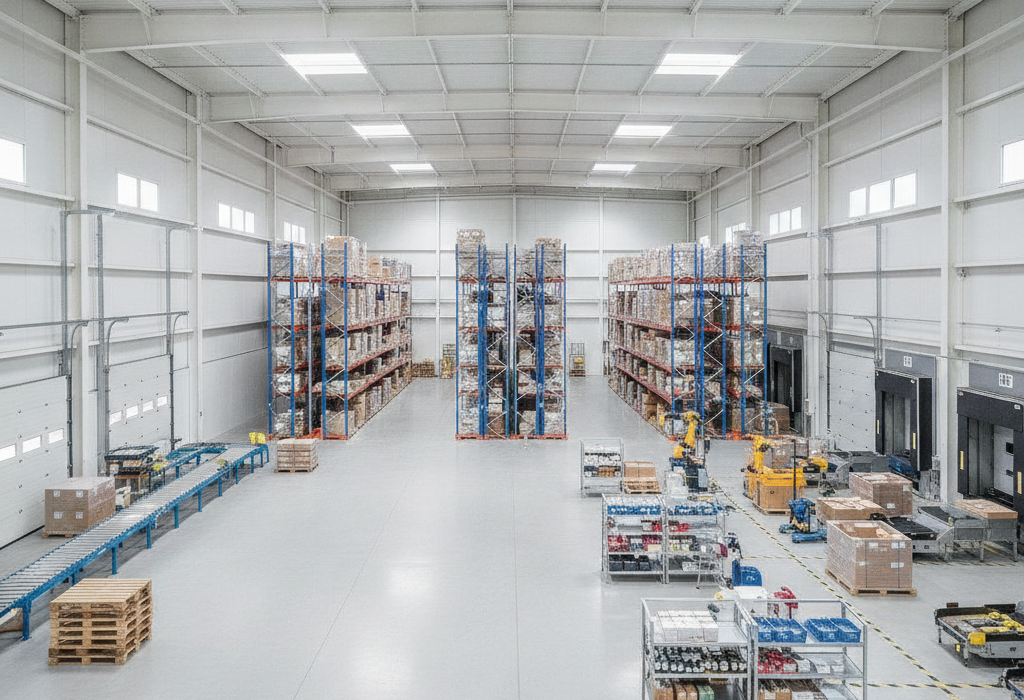
Vaastu for warehouse operations is the practical application of Vaastu design to receiving, storage, picking, and shipping so goods move with fewer delays. In Brampton, aligning docks, aisles, lighting, and energy zones reduces congestion and errors. The result is steadier throughput, safer teams, and inventory that actually flows where it should.
By Nirwair · Last updated: June 23, 2026
Above-Fold Section: Hook + TOC
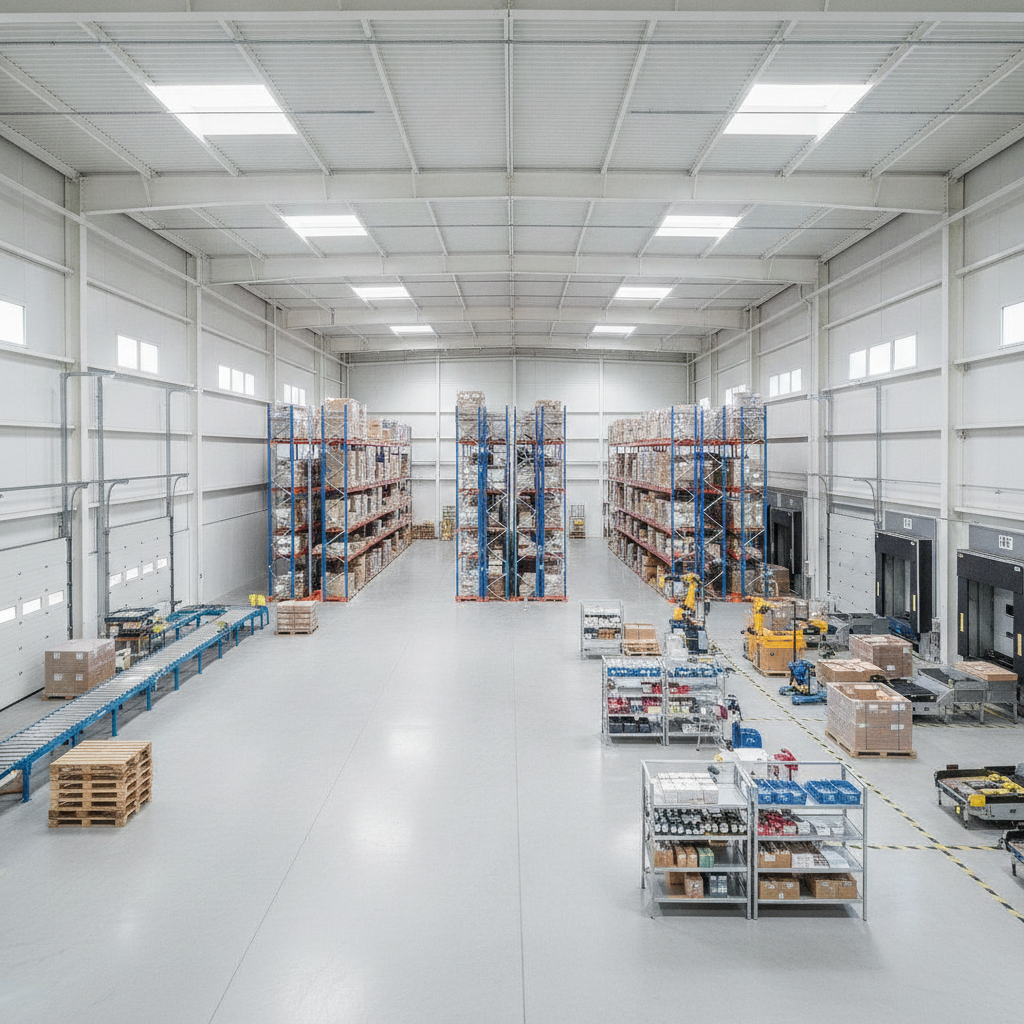
This guide shows how Vaastu principles improve real warehouse flow: align docks for smooth intake, size aisles for safe movement, set pick zones by energy direction, and use natural light to cut errors. You’ll get checklists, tables, and Brampton-specific tips you can apply this week.
Running a warehouse is a moving target—seasonal spikes, trailer queues, and returns can choke capacity. Here’s how we translate classical Vaastu into modern, measurable warehouse wins you can track on your dashboard.
- What Vaastu for warehouse operations means in day-to-day terms
- Why energy alignment correlates with fewer delays and safer teams
- How to map receiving-to-shipping with directional zones
- Best practices and a quick comparison table you can print
- Real examples from World Astro’s commercial Vaastu work
Quick Summary
- Orient docks toward consistent inbound flow; avoid head-on truck conflicts.
- Keep primary aisles wide (10–12 ft) and straight to protect forklift lines.
- Locate fast-movers in accessible, well-lit pick zones with 30–50 foot-candles.
- Schedule fixes in aligned time windows (muhurat) to lock in improvements.
- Benchmark dock-to-stock under 4 hours and scan compliance above 98%.
What Is Vaastu for Warehouse Operations?
Vaastu for warehouse operations applies directional energy, zoning, and balance to receiving, storage, picking, and shipping. In practice, it guides where you place docks, aisles, racking, lighting, and supervisor stations so material flow is smooth, error rates drop, and teams stay safer.
In our experience helping clients across Canada, Vaastu turns abstract “good energy” into concrete layout and timing decisions. For warehouses, that means using the site’s compass directions to set intake, putaway, and dispatch so the building’s natural flow supports how goods actually move.
- Directional intake: Position inbound docks so trucks approach cleanly and unload to staging without cross-traffic.
- Energy-smart storage: Place heavy, long-stay pallets in calmer zones; keep fast-movers in bright, accessible areas.
- Clear pick lines: Straight, unobstructed aisles reduce travel time and forklift conflicts.
- Lighting balance: Natural skylight plus LEDs boost accuracy; well-lit pick faces often show higher first-pass success.
For teams in Brampton, we connect Vaastu with operational KPIs you already track: dock-to-stock cycle time, order accuracy, scan compliance, near-miss incidents, and on-time dispatch. Aligning layout to energy patterns supports steadier performance through seasonal swings.
To get a fast baseline, try our Vaastu Energy Score and see where the building helps or hinders flow before you move a single rack.
Why Vaastu Matters in Warehouses
When warehouse zones fight each other—crossing traffic, dim pick aisles, or blocked docks—delays pile up. Vaastu aligns direction, light, and circulation so cycle times shrink, errors drop, and safety improves. It’s practical space management with a tested, directional framework.
Here’s the thing: chronic bottlenecks rarely come from one bad decision. They come from a chain of small frictions—wrong-facing docks, zig-zag aisles, overstressed corners, and dark pick faces. Aligning these with Vaastu reduces friction at each handoff.
- Fewer congestion points: Straight primary aisles and clear cross-aisles cut blind turns. Many operations target under 60 seconds wait time at main intersections.
- Faster dock-to-stock: Aligned staging near docks supports under 4 hours from unloading to putaway during steady-state days.
- Higher accuracy: Bright, organized pick zones routinely report 99%+ first-pass accuracy when combined with scanning.
- Safer traffic: Keeping forklifts and pedestrians on predictable lines reduces near-misses; teams often aim for zero recordables per quarter.
We also see morale lift when teams work in bright, orderly spaces. Energy alignment is felt in quieter aisles, steadier rhythm at the docks, and simpler coaching for new hires.
For a deeper planning framework before you re-slot fast-movers, see our guide to using a Vaastu expert in commercial spaces.
How Vaastu Works in Day-to-Day Operations
Map the warehouse by compass direction, then assign functions: calmer zones for long-stay storage, bright accessible areas for fast picks, and clean inbound-to-staging lines at docks. Add lighting, signage, and aisle widths that reinforce that flow every shift.
We start with a north–south–east–west map of your floor. Then we overlay actual traffic counts, pick frequency, and seasonal patterns. The blend of Vaastu and data shows where each function belongs.
Core mapping moves
- Docks and staging: Keep a straight shot from inbound doors to first staging. Many teams target under 15 minutes to clear a standard trailer bay once unloading begins.
- Primary aisles: 10–12 ft for counterbalanced forklifts; avoid S-curves. Short, bright cross-aisles improve escape routes.
- Fast-mover slots: Eye-to-waist heights (28–52 in) reduce strain and boost speed.
- Supervisor stations: Place where lines of sight cover key intersections and docks.
- Light levels: 30–50 foot-candles at pick faces support accuracy; skylights help balance glare.
When timing matters—major re-slotting, opening a new bay, or flipping traffic direction—we select an aligned window (muhurat) so changes “stick.” If you’re new to this, review our Vaastu consultation process steps to see how we phase improvements.
Types, Methods, and Approaches
Approach Vaastu in warehouses three ways: new-build orientation, retrofit correction, and operational tuning. New builds lock in aligned docks and aisles; retrofits shift zones and light; tuning optimizes slotting, signage, and timing without major construction.
New-build orientation
- Site selection: Favor parcels that allow docks aligned to smooth truck approach patterns.
- Shell layout: Straight runs for racking; skylight placement to brighten pick faces.
- Utilities and offices: Keep noisy or heat-heavy areas away from calm storage zones.
Retrofit correction
- Zone swaps: Move fast-movers to brighter, more accessible directions; shift long-stay pallets to calmer areas.
- Dock rebalancing: Assign clear inbound vs. outbound doors; separate staging pads.
- Lighting upgrades: Add LED strips and task lights to raise accuracy in dull aisles.
Operational tuning
- Slotting cycles: Review ABC every quarter; many target 20–30% SKUs as A-items near shipping.
- Scan discipline: Aim for 98%+ scan compliance; spot-check high-variance areas weekly.
- Seasonal lanes: Pre-build lanes for peak SKUs with signage and protective barriers.
If you need a commercial checklist to audit your facility, our factory Vaastu checklist covers many of the same safety-and-flow items relevant to warehouses.
Best Practices for Warehouse Vaastu
Design for straight, bright, predictable movement: clear inbound–staging–putaway lines, well-lit pick faces, and protected cross-aisles. Keep fast movers close to dispatch, map calm zones for long-stay inventory, and use aligned timing when you make big layout changes.
Layout and circulation
- Keep primary aisles straight and wide; place cross-aisles at consistent intervals.
- Stage inbound within 1–2 aisle lengths of docks to enable quick putaway.
- Create distinct forklift and pedestrian paths with visual cues and barriers.
Storage and picking
- Slot A-items between 28–52 in where most hands work quickly and safely.
- Place B- and C-items in calmer, less-trafficked areas; protect corners.
- Use stable, even lighting; avoid glare at scan points.
Safety and supervision
- Position supervisor stations with sightlines to docks and main intersections.
- Install mirrors at blind turns; set intersection yields to reduce stops.
- Review near-miss logs weekly; fix physical causes within 7 days.
Simple process table
| Vaastu principle | Operational move | Expected impact |
|---|---|---|
| Clear directional intake | Separate inbound/outbound docks | Shorter queues; fewer cross-overs |
| Balanced light | Skylights + LED task lights | Higher pick accuracy; less strain |
| Calm storage zones | Park long-stay pallets away from docks | Less crowding near staging |
| Predictable lines | Straight aisles and marked paths | Safer forklift travel |
Want a structured walkthrough? Our office layout Vaastu guide explains how we phase changes—those same steps work for warehouses.
Tools and Resources
Use a compass map, heat maps for travel and picking, and a simple KPI board tracking dock-to-stock, scan compliance, and near-misses. Pair this with a Vaastu review and aligned timing so improvements stick through peak season.
- Compass + floor map: Mark north, then trace actual movement by shift.
- KPI board: Track dock-to-stock (hours), scan compliance (%), and first-pass accuracy (%).
- Lighting audit: Check foot-candles at pick faces and staging pads.
- Baseline energy: Start with the Vaastu Energy Score explainer, then run the free score.
- Inventory systems: Explore a practical inventory system example to reinforce disciplined flow.
- Data discipline: Avoid overreliance on spreadsheets—see inventory spreadsheet risks for context.
When you’re ready to act, check our when to book a Vaastu consultation guide so your re-slotting and racking moves kick off in favorable windows.
Case Studies and Examples
We align each facility’s docks, aisles, and pick faces to its compass map, then sequence changes in aligned time windows. The result: cleaner traffic, brighter picks, and steadier dispatch. Here are short examples of what that looks like in practice.
Brampton distribution center: dock-to-stock reset
- Problem: Mixed inbound/outbound at the same doors created 6–8 truck queues by 10 a.m.
- Move: We split doors, pulled staging one aisle closer, and added cross-aisles every 80–100 ft.
- Result: Dock-to-stock stabilized under 4 hours on normal days; AM queues dropped by half.
Seasonal e-commerce warehouse: bright picks win
- Problem: Peak rush caused mispicks and blocked pedestrian lanes.
- Move: Installed LED task lights at top SKUs, re-slotted A-items to 28–52 in, added mirrors at blind turns.
- Result: First-pass accuracy crossed 99%; near-miss reports trended down through the quarter.
Returns-heavy facility: calming the chaos
- Problem: Returns were spilling into outbound lanes and confusing WMS tasks.
- Move: Gave returns a calm zone away from docks, with a dedicated aisle and signage.
- Result: Outbound regained predictability; afternoon trailers left on time more often.

As you evaluate options, you might browse a general overview on Vaastu to understand the tradition; then return to the operational checklists above to apply it concretely.
Local considerations for Brampton
- Schedule re-slotting and dock changes around traffic peaks near Highway 50 – Zum Queen Station Stop WB to keep inbound trucks on time.
- Winter lighting matters—short days make task lights essential for accuracy in the 4–7 p.m. window.
- For teams near Bhavani Shankar Mandir, plan shift handoffs to avoid local event surges that can affect carrier timing.
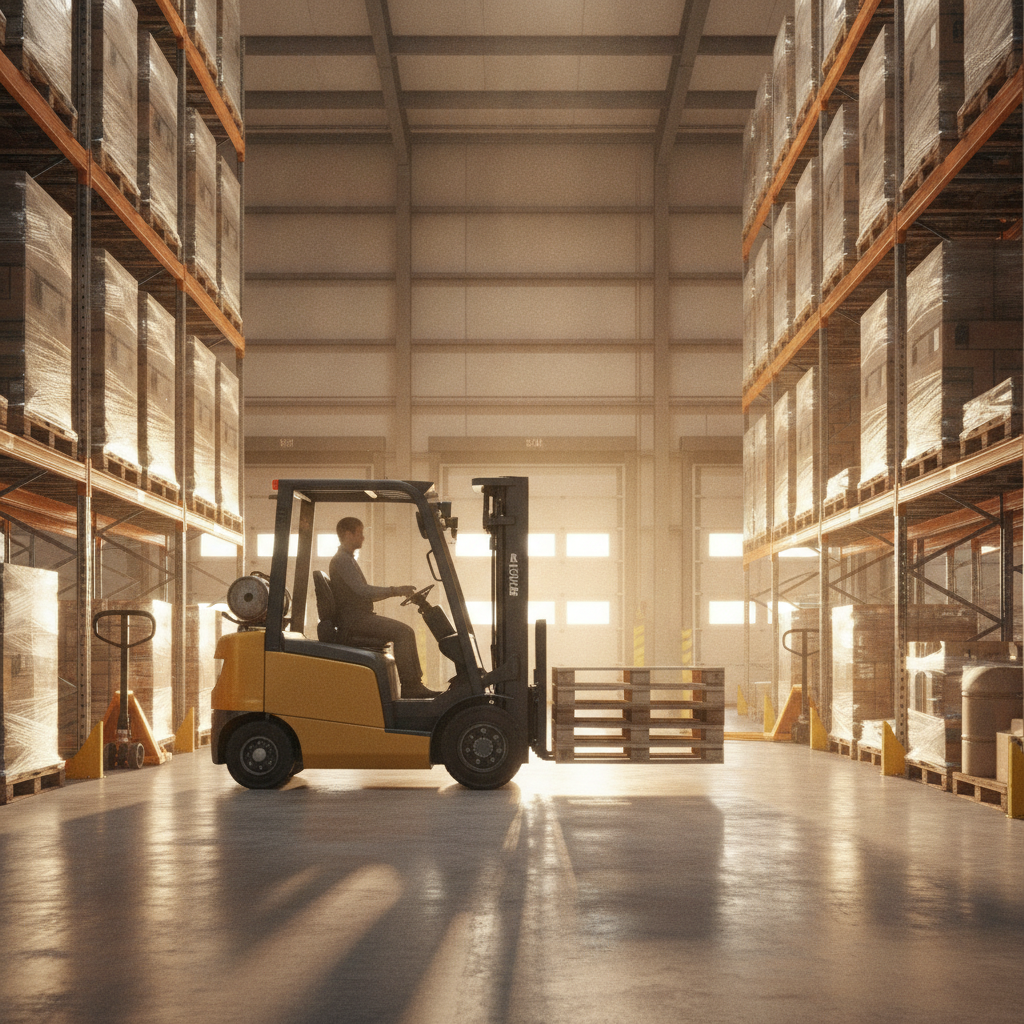
Thinking about a layout reset? Book a Vaastu/Fengshui consultation with World Astro to map your docks, aisles, and pick zones to the building’s natural flow. We’ll phase changes in aligned windows so improvements hold through peak.
FAQ: Vaastu for Warehouse Operations
These quick answers cover layout, timing, lighting, and safety so you can move from theory to action. If your site is unique—multi-tenant, heavy cold chain, or fire-code constraints—book a custom walkthrough.
What is the first Vaastu fix to try in a warehouse?
Separate inbound and outbound docks and clear a straight path from unloading to staging. Then brighten the top 20% of SKUs with task lights. Those two moves often reduce dock queues and boost first-pass accuracy within a week.
How does Vaastu affect safety and forklift traffic?
Predictable lines reduce surprises. Straight primary aisles, mirrors at blind turns, and marked pedestrian paths usually cut near-misses. Many teams pair this with weekly spot checks and immediate fixes for physical hazards like glare or clutter.
Can I apply Vaastu without rebuilding my warehouse?
Yes. Most results come from zone swaps, dock assignment, lighting upgrades, and re-slotting. We reserve structural moves for new builds; retrofits and operational tuning usually deliver faster wins with less disruption.
When should I schedule major changes?
Use aligned windows (muhurat) to launch big changes—new racking runs, traffic flips, or go-lives. We also avoid local traffic peaks and aim for calm weather days so carriers and crews stay on schedule.
How do I measure if Vaastu is working?
Track dock-to-stock hours, first-pass accuracy, scan compliance, and near-miss counts. Improvements should show within two to four weeks. If not, review traffic lines, light levels, and whether fast-movers sit in the brightest, most accessible zones.
Conclusion and Next Steps
Vaastu for warehouse operations turns direction and balance into practical layout, lighting, and timing choices. Start with docks, aisles, and bright picks; measure dock-to-stock and accuracy; then phase deeper changes in aligned windows for lasting results.
- Map your floor by compass direction and current movement.
- Split inbound/outbound docks; pull staging closer.
- Raise pick-face light levels and re-slot A-items to 28–52 in.
- Track key KPIs weekly and fix causes within 7 days.
- Use aligned timing (muhurat) for big shifts to reinforce stability.
Key Takeaways
- Directional alignment reduces friction at every handoff.
- Bright, predictable pick lines improve safety and accuracy.
- Most wins arrive from retrofits and tuning—not full rebuilds.
- Measure relentlessly so gains hold through peak season.
Ready to realign your facility in Brampton? Schedule a discovery session and we’ll map your docks, aisles, and pick faces to the building’s natural flow—then phase the fixes so they stick. Start with our consultation process or try the free Vaastu Energy Score first.
1 Comment
Comments are closed.