




What to Ask an Astrologer: Plan Better in 2026
What to ask an astrologer refers to crafting clear, specific questions that align with your birth chart and goals. At World Astro in Brampton (33 Seachart Pl), we guide you to frame questions about timing, relationships, career, Vaastu, and remedies so your session yields practical, confident next steps.
By Nirwair — Vedic Astrologer & Vaastu Consultant
Last updated: 2026-05-26
Quick Summary & Table of Contents
Use your astrology session to answer focused, real-life decisions: timing (muhurat), relationship compatibility, career direction, health and energy patterns, and home/office Vaastu alignment. Bring 5–7 prioritized questions, dates for key events, and any concerns about remedies like gemstones, mantras, or yantras.
This complete guide shows you exactly how to prepare questions that an astrologer can answer with clarity. You’ll see examples for love, career, family, health, finance, muhurat, Vaastu, gemstones, and transit timing—plus a printable checklist and a comparison of open vs. specific questions.
- What is an “astrology question”?
- Why your questions matter
- How a professional session works
- Types of questions to bring
- Best practices (with examples)
- Free tools and resources
- Case studies and examples
- Local tips for your Brampton consultation
- Frequently Asked Questions
- Conclusion and next steps
What Is an “Astrology Question” and Why It Matters
An astrology question is a clear, time-bound prompt that invites chart-based guidance about decisions, cycles, and outcomes. Good questions name the goal, timeframe, and context, allowing the astrologer to read houses, planetary periods, and transits and deliver precise, actionable insights you can implement.
When people ask “what to ask an astrologer,” the real aim is decision clarity. Your birth chart contains enduring patterns, while current transits and dashas (planetary periods) describe timing. Strong questions help us map those signals to your choices and constraints right now.
- Chart foundations: Vedic astrology interprets 12 houses, 12 signs, and the nine grahas (Sun, Moon, Mars, Mercury, Jupiter, Venus, Saturn, Rahu, Ketu).
- Decision frames: Questions that include what you want, when you’d act, and why it matters lead to practical guidance.
- Session focus: Most clients find 5–7 focused prompts keep a reading thorough yet efficient.
In our experience at World Astro, clarity beats volume. One well-framed question can open a path for months, while vague prompts often generate broad answers. Think of your session as a strategy meeting for your future.
Why Asking the Right Questions Changes Outcomes
Specific, prioritized questions convert a reading into a plan. You’ll align actions with favorable cycles, avoid friction periods, and select focused remedies. The result is better timing, calmer decisions, and measurable follow-through across relationships, career, money, health, and home energy.
Here’s the thing—astrology doesn’t remove free will. It sharpens it. When you know a Venus period supports partnership or a Saturn transit requires patience and structure, you make fewer reactive moves and more deliberate ones.
- Reduce uncertainty: Align choices with supportive dashas and transits rather than guessing.
- Prioritize effort: Invest energy where your chart naturally amplifies results.
- Select remedies: Gemstones, mantras, yantras, poojas, and Vaastu adjustments can mitigate stressors and enhance favorable windows.
- Build momentum: Small wins stack when your timing is right and your goals are realistic.
We’ve found that even one aligned action—like choosing an auspicious move-in date—can set off a chain of improvements. Focused questions are how you locate those inflection points.
How a Professional Astrology Session Works at World Astro
A professional session starts with your birth data and 5–7 priority questions. We review your natal chart, current dashas, and near-term transits, then map insights to decisions. You leave with clear timing, practical steps, and optional remedies grounded in Vedic methods and Vaastu alignment.
At World Astro, our process is systematic and transparent. You’ll see how natal promises interact with present cycles, and where adjustments (remedies or Vaastu) help most.
- Intake: Birth date, exact time, location; key dates (marriage, moves, launches).
- Priorities: Your top 5–7 questions ranked by urgency and impact.
- Analysis: Natal strengths, dashas, transits (e.g., Saturn return), and relevant divisional charts.
- Action plan: Timing windows, decision guidance, and specific remedies (if needed).
- Follow-up: Optional check-ins via an email horoscope reading for ongoing choices.
If you’re new to this, our primer on how to ask an astrology question walks you through writing strong prompts before your appointment.

Types of Questions to Bring (with 13 Ready-to-Use Examples)
Great questions target a life area, a decision, and a timeframe. Use categories like love/marriage, career/business, family, health, money, muhurat, Vaastu, transits, and remedies. Bring context and desired outcomes so your astrologer can align timing and guidance precisely.
Love, marriage, and compatibility
- Are we compatible for long-term marriage based on our charts? What patterns should we actively manage?
- Is the next 12–18 months favorable to formalize our relationship (engagement, wedding)?
- What to ask an astrologer about recurring conflicts: which house/transit is triggering them and what remedy helps?
For deeper prep, see our internal guide on consultation for life decisions.
Career and business
- Which career tracks and environments best align with my chart’s strengths?
- Is now a supportive window to change jobs or start a business?
- How can I use the next major transit (e.g., Jupiter in a money house) to negotiate or expand?
Family and health rhythms
- What cycles favor family planning, caregiving, or moving closer to relatives?
- Which habits or daily rhythms stabilize my health under current transits?
- Are there stress indicators I should proactively address with mantras or lifestyle shifts?
Money and assets
- Which periods favor saving, consolidating, or acquiring assets?
- How can I reduce impulsive financial moves during challenging transits?
- What Vaastu angles at home or in my office could improve financial flow?
Muhurat (auspicious timing)
- What’s an auspicious month and day to launch, sign, travel, or move?
- Which tithi, nakshatra, and weekday combinations fit my intent?
- How do I coordinate muhurat with key participants’ schedules?
Vaastu for home/office
- Does my floor plan show Vaastu dosh we should correct?
- Which zones and directions support my goals (work focus, sleep, study)?
- What’s the best sequence to implement changes without disruption?
For a homeowner’s perspective on layout, see a Vaastu home checklist overview. It’s not a substitute for tailored consulting, but it illustrates how layout and direction thinking works.
Transits and planetary periods
- Which dashas and transits define my next 6–12 months?
- How can I leverage supportive windows and soften tougher ones?
- What habits and remedies fit this cycle without overcommitting?
Remedies (gemstones, mantras, yantras, pooja)
- Is a gemstone indicated for current challenges, and how should I wear it?
- Which mantra practice fits my schedule and temperament?
- Would a yantra or pooja be a better first step given my chart?
If you’re new to gems, jewelry guides often explain cut, color, and setting basics. For example, this engagement ring primer shows how jewelers think about durability and fit—useful when pairing the right stone and metal with daily wear.
Best Practices for Writing Strong Questions
Strong questions are specific, time-bound, and decision-oriented. Include what you want, why it matters, and by when. Avoid yes/no prompts; ask for probabilities, conditions, and best timing instead. Bring context so the astrologer can weigh natal promises against current cycles.
Checklist before your session
- Clarify your goal in one sentence (“I want to…”)
- Add a timeframe (“ideally by Q3 2026”)
- Note constraints (family, finances, location, health)
- Rank questions by impact (1–7)
- Gather dates of past turning points (offers, moves, weddings)
Comparison: open vs. specific questions
| Style | Example | Outcome in Session |
|---|---|---|
| Open | “Tell me about my career.” | Broad reading; limited decisions today. |
| Specific | “Should I switch to a client-facing role by October 2026, or wait?” | Clear timing windows, conditions, and steps. |
| Contextual | “My last promotion stalled; which months favor a change, and what to avoid?” | Charts weighed against real constraints; practical advice. |
Example rewrites (make your question precise)
- Love: “Are we compatible?” → “Over the next 18 months, what supports a stable engagement and which patterns should we manage?”
- Career: “What job is right?” → “Which roles play to my strengths, and when should I interview?”
- Money: “Will I be rich?” → “Which periods favor saving and asset-building, and what habits matter?”
For more drafting help, read what questions to ask an astrologer and bookmark our weekly planning tips.
Tools and Resources to Prepare Smarter
Leverage World Astro’s free and paid tools to prepare: weekly horoscopes for trend awareness, email readings for follow-up, Vaastu Energy Score for layout insight, and Rahu Kaal / Shubh Samay to plan timing. These inputs make your questions sharper and your actions timely.
- Email follow-ups: Capture ongoing decisions via our email horoscope reading process.
- Weekly rhythms: Use insights from weekly horoscope planning to spot trends.
- Muhurat support: If you’re planning a wedding, see wedding date muhurat basics.
- Vaastu preparation: Learn expectations and prep with consulting a Vaastu expert.
- Decision framing: Not sure where to start? Our guide on astrology in decision-making explains the method.
Using these resources before your session lets us spend more time on deep interpretation and less on background. It also creates a shared language—so your “what to ask an astrologer” list becomes a direct pipeline to action.
Case Studies and Mini Examples (Names Changed)
Short, concrete examples show how smart questions translate to results. By pairing natal strengths with supportive cycles—and correcting friction with Vaastu or remedies—clients turn insights into timely, confident decisions across love, career, money, and home life.
Engagement timing with compatibility
A Brampton couple arrived with: “Are we compatible?” We reframed: “Is Q4 2026 supportive for engagement, and which dynamics need care?” Charts showed strong 7th-house support and a favorable Venus period. We recommended an auspicious muhurat and a weekly mantra for communication. They moved ahead smoothly.
Career pivot during Saturn transit
A project manager asked: “Should I switch to consulting this year?” Saturn indicated a discipline-heavy period; Jupiter supported learning. Guidance: build a portfolio now, begin outreach during a supportive transit, and seek a space with strong North-East Vaastu for focus. The staged plan paid off.
Home Vaastu fixes for sleep and study
A family reported restless sleep and distracted study time. We reviewed their plan, identified South-West bedroom and clutter in North-East. Solutions: bed alignment, study desk in East, declutter routine, and a simple yantra for focus. Within weeks, they reported steadier routines.
Bring your top 5–7 questions and we’ll turn them into a step-by-step plan. Prefer to start online? Begin with our structured prompts here:
Start with guided prompts or book a decision-focused consult.
Local Tips for Your Brampton Consultation
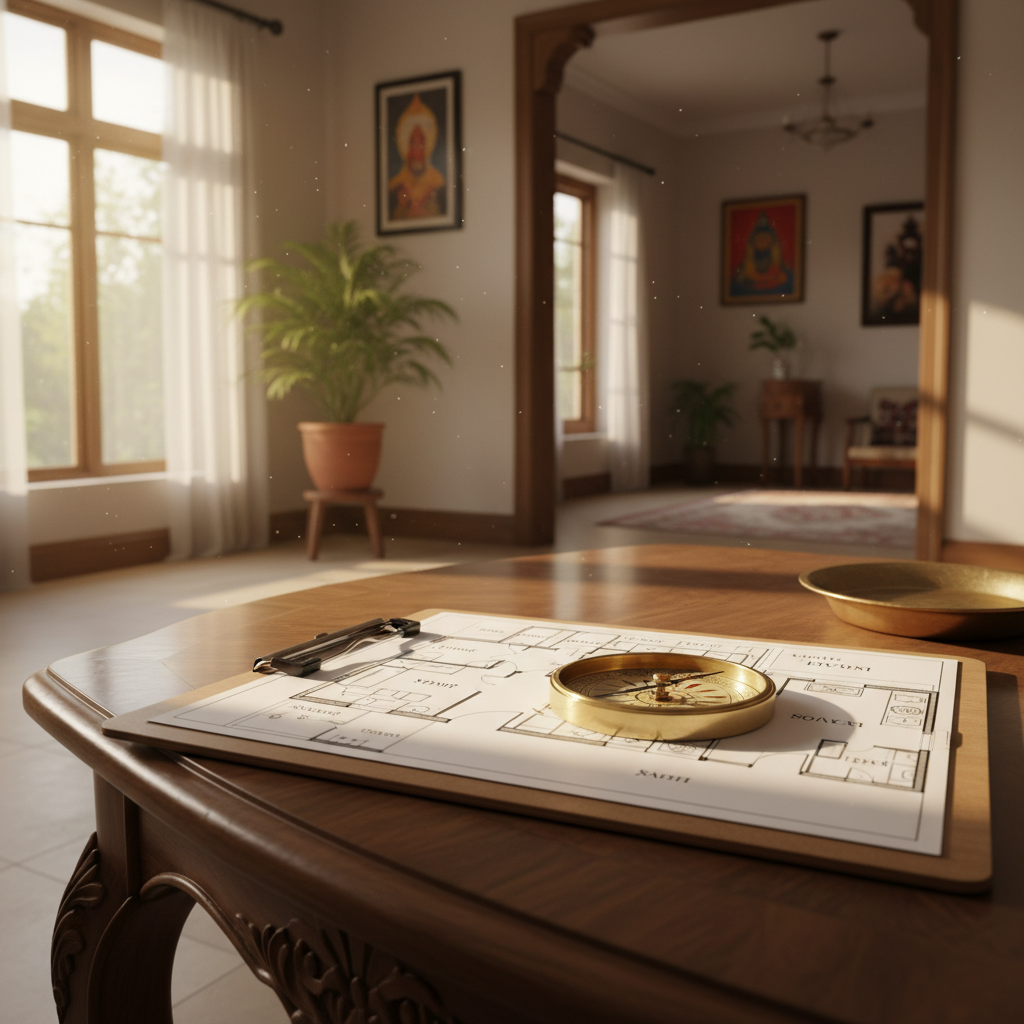
For in-person sessions in Brampton within the Regional Municipality of Peel, plan arrival buffers around peak traffic and bring floor plans for any Vaastu questions. We’re near community landmarks like Bhavani Shankar Mandir & Cultural Centre—use these as gentle anchors for timing on busy days.
Local considerations for Brampton
- Weekend mornings are calmer; schedule Vaastu-focused sessions then to review plans without rush near Bhavani Shankar Mandir & Cultural Centre.
- During winter, leave extra transit time; bring clear photos of entryways and workspaces for precise direction checks.
- If you rely on public transit, note connections around Highway 50 – Zum Queen Station Stop WB and factor a short walk.
Prefer remote? Many clients choose video consults plus our email reading follow-ups for continued timing questions.
How to Prepare Your Information (So Answers Are Precise)
Accurate birth data, a short list of priority questions, and key life dates make your reading precise. Add floor plans for Vaastu, upcoming deadlines for muhurat, and any prior remedy history. Specifics let us weigh natal promises against present cycles with confidence.
- Birth data: Date, exact time (from a document if possible), and place.
- Milestone dates: Moves, promotions, weddings, launches—helps validate chart timing.
- Artifacts: Floor plans, photos, or a sketch for Vaastu. Short list of current remedies.
- Goals and deadlines: What decision must you make and by when?
Not sure whether your question is “astrology-ready”? Review our short primer on writing strong questions. It’s a fast way to convert concerns into actionable prompts.
How Astrologers Time Decisions (Plain-English Overview)
Timing blends natal promises with current periods and transits. In Vedic method, we prioritize dashas, assess weekly and monthly transits, and choose muhurat using panchang elements (weekday, tithi, nakshatra, yoga, karana). The goal: act during supportive cycles and soften friction periods.
- Dashas: Multi-year periods set the backdrop for what’s likely to grow.
- Transits: Month-to-month movements shape opportunities and stress points.
- Muhurat: Panchang selection aligns intent with auspicious combinations.
- Rahu Kaal / Shubh Samay: Daily timing filters avoid high-friction slots.
If you’re a technologist who stumbled here while searching “Astro,” note that “Astro” is also a JavaScript framework—very different from astrology. Here’s a quick-start reference used in web engineering circles: Astro quick-start. Our focus here is Vedic timing for life decisions.
Common Mistakes to Avoid When You Ask
Avoid vague, fortune-teller style prompts and overloading your session. Don’t seek absolute guarantees; ask for conditions, probabilities, and best/worst-case paths. Resist swapping questions mid-stream—finish one area thoroughly before moving on to the next.
- Vagueness: “Tell me everything” yields generic summaries.
- Overstuffing: Twenty questions in one sitting dilutes depth.
- All-or-nothing thinking: Ask for ranges and scenarios you can actually use.
- Skipping context: Your real constraints shape the advice.
If you want a structured path from question to decision, our article on decision-focused consulting explains the flow we use.
When to Use Remedies (and How to Ask)
Use remedies when your chart shows friction you can soften. Ask which practice best fits your challenge, schedule, and temperament—gemstones, mantras, yantras, or pooja. The right remedy is specific, feasible, and aligned to your chart’s current cycles.
- Gemstones: Chosen for benefic support; confirm metal, hand, finger, and wearing protocol.
- Mantras: Daily rhythm builders; better to be consistent than intense.
- Yantras: Spatial harmonizers; place mindfully where you’ll notice them.
- Pooja: For milestones or resets; plan around muhurat.
Curious about materials and durability from a jeweler’s lens? This overview of ring choices shows how settings and wear patterns matter—useful when pairing gemstones with daily life.
Conclusion and Next Steps
Strong questions turn astrology into a plan. Prepare your top 5–7 prompts, set timeframes, and bring context. We’ll align your choices with supportive cycles, suggest practical remedies, and map clear next actions so you can move forward confidently.
- List your 5–7 priority questions by impact.
- Gather birth data, key dates, and any floor plans for Vaastu.
- Decide which decisions must be made in the next 90 days.
- Book a session and keep notes for follow-up via email reading.
Ready to turn insight into action? Start with our guided prompt list and consider a Vaastu prep read if space changes are on your mind.
Frequently Asked Questions
How many questions should I bring to an astrology session?
Bring 5–7 prioritized questions. That scope allows us to analyze natal factors, weigh current cycles, and give clear timing and practical steps without rushing. If more concerns emerge, we can schedule a focused follow-up or use an email reading to address them.
What information do you need before the reading?
We need your birth date, exact time, and place. Bring key life dates (weddings, moves, offers) to validate timing patterns. For Vaastu questions, provide a floor plan or photos. Share any current remedies so we can fine-tune or simplify them.
Can you help pick an auspicious date (muhurat)?
Yes. We select dates using Vedic panchang elements—weekday, tithi, nakshatra, yoga, and karana—plus your chart and constraints. Share all stakeholders’ schedules early. For weddings, review our quick primer on wedding muhurat.
What if my birth time is approximate?
Tell us what you know—down to the minute if possible and how it was recorded. We can often narrow timing through major life-date crosschecks. If uncertainty remains, we’ll adjust advice to emphasize robust windows that don’t rely on exact minutes.
3 Comments
Comments are closed.