



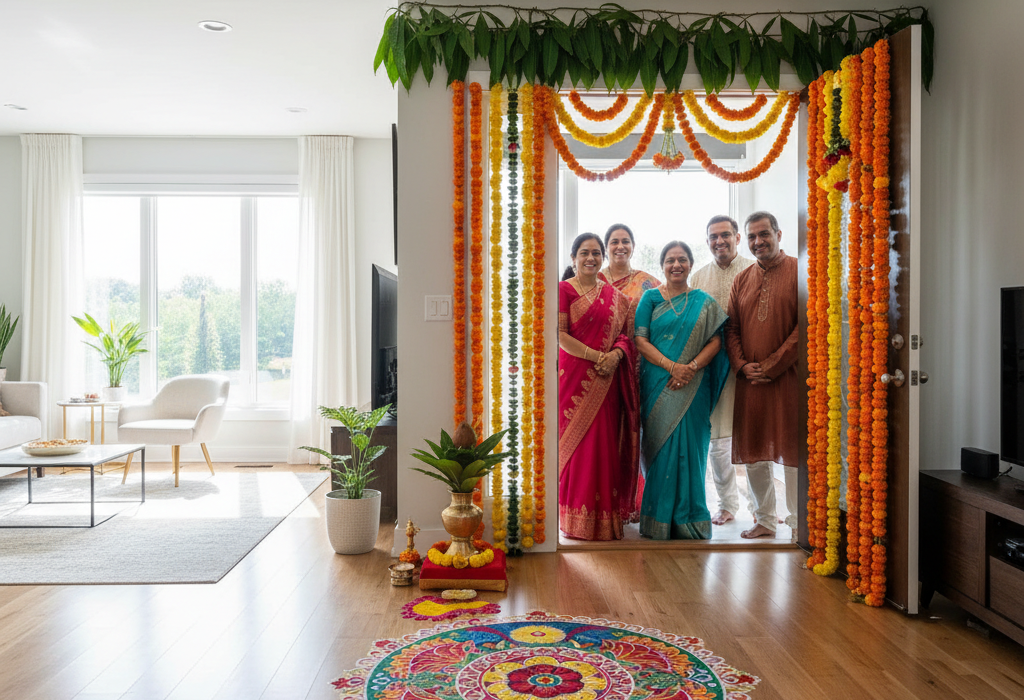
Housewarming Muhurat: Pick the Right Day in 2026
Muhurat selection for housewarming is the astrological method of choosing the most auspicious date and time for Griha Pravesh. From our Brampton office at 33 Seachart Pl, World Astro calculates your ideal window using your family’s charts, local sunrise, and Vaastu alignment so your first entry invites prosperity, harmony, and health.
By Nirwair (World Astro) • Last updated: 2026-06-03
At a Glance
To pick a housewarming muhurat in 2026, match a favorable lunar day and nakshatra with local sunrise, avoid Rahu Kaal, and align the entry direction with Vaastu. We customize this window using your family’s birth charts, ensuring a practical move-in schedule that supports well-being and prosperity.
- What you’ll learn: core concepts, step-by-step timing, Vaastu alignment, and rituals.
- Who this helps: homeowners, renters, and developers planning Griha Pravesh in Canada and the U.S.
- How we work: personalized panchang analysis + Vaastu review + remedial guidance.
- Fast navigation:
What Is Housewarming Muhurat?
Housewarming muhurat is the auspicious window to enter a new or newly renovated home for the first time. It blends your family’s astrology with the panchang (almanac), local sunrise, and Vaastu. The goal is simple: begin home life when cosmic and environmental cues are most supportive.
In Vedic tradition, Griha Pravesh opens the energetic channel of a home. The moment you cross the threshold sets a tone for health, finances, relationships, and harmony. We translate this tradition into a modern Canadian context without losing precision.
- Key elements: tithi (lunar day), nakshatra (lunar mansion), weekday, local sunrise, lagna (ascendant), and Rahu Kaal avoidance.
- Personalization: family janma nakshatra and transits tailor the window to your charts.
- Vaastu alignment: entry direction, kitchen-fire placement, and pooja area get special attention.
- Ritual focus: kalash, ghee lamp, and simple mantras align intention with timing.
Because Canadian weather and work schedules can be demanding, we also optimize for practicality—weekends, school breaks, and daylight hours that keep your ceremony smooth, safe, and memorable.
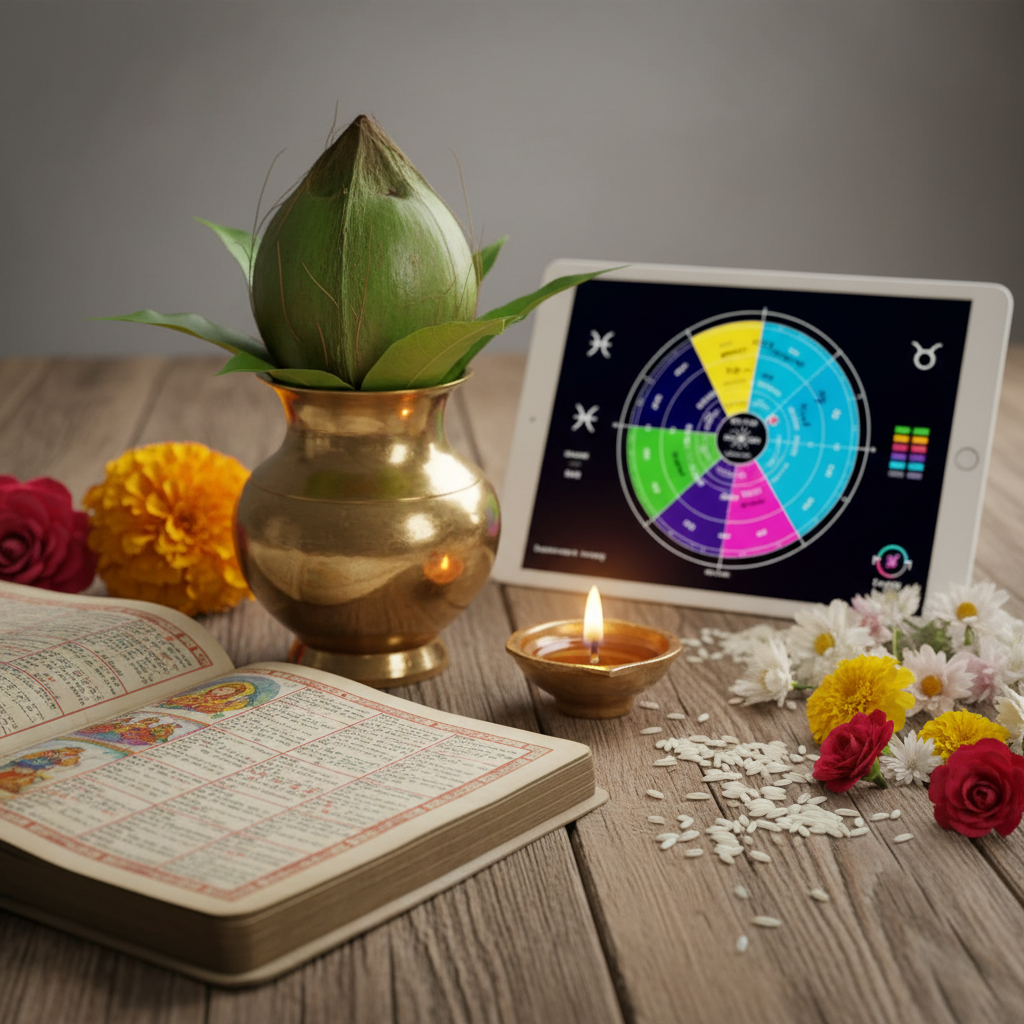
Why Muhurat Matters in Brampton and the Regional Municipality of Peel
In Brampton and the Regional Municipality of Peel, aligning Griha Pravesh with a precise housewarming muhurat stabilizes the home’s first energies. It reduces avoidable friction, honors tradition, and fits local schedules and daylight—giving families a confident, peaceful start in their new space.
We’ve seen that the “first moment” of home life often echoes for years. Choosing the right window can calm move-in stress, synchronize family routines, and support better sleep and focus. That’s why we match auspicious times with the realities of Peel’s commute, school calendars, and daylight variability.
- Stability advantage: a well-timed entry coincides with supportive lunar and planetary factors.
- Health and harmony: morning muhurats often leverage sattvic (balanced) hours that aid calm and clarity.
- Community rhythm: weekends and early mornings reduce noise, traffic, and unexpected disruptions.
We personalize this for each household. For example, if a child’s chart is sensitive to a specific weekday lord, we avoid that day, even if it’s broadly favorable in almanacs. Practical fit always matters as much as astrological merit.
How Muhurat Selection Works (Step-by-Step)
Our process combines panchang screening, birth-chart checks, Rahu Kaal and Shubh Samay review, Vaastu orientation, and a realistic move-in plan. You leave with a clear ceremony start time, a fallback window, and a checklist so your family moves in smoothly and auspiciously.
- Intake: address, family birth data, preferred dates, religious customs, and accessibility needs.
- Panchang screening: filter by favorable tithis and nakshatras for Griha Pravesh.
- Local sunrise: anchor the window to actual daylight in your city and month.
- Lagna selection: pick an ascendant that strengthens the home’s long-term stability.
- Rahu Kaal check: exclude inauspicious intervals; confirm Shubh Samay bands.
- Vaastu review: entry direction, kitchen-fire zones, and pooja corner feasibility.
- Transit conflicts: scan key planets for supportive or disruptive aspects.
- Finalize window: define ceremony start and buffer time for customs and photos.
- Remedies: outline simple mantras/yantras if a small compromise is necessary.
- Logistics plan: parking, guest flow, prasad, and safety checks.
Most complete Griha Pravesh rites take about 90–120 minutes, including setup and closing aarti. We recommend planning a 30-minute buffer before and after the core rituals for settling children, greeting guests, and photos.
| Step | What We Check | Typical Duration | Owner |
|---|---|---|---|
| Panchang screen | Tithi, nakshatra, weekday filters | 20–30 min | World Astro |
| Sunrise anchor | Local sunrise/sunset and daylight | 10–15 min | World Astro |
| Lagna fit | Ascendant + house strength for the home | 20–30 min | World Astro |
| Rahu Kaal/SS | Exclude Rahu Kaal; confirm Shubh Samay | 10–15 min | World Astro |
| Vaastu review | Entry, kitchen-fire, pooja corner | 30–45 min | World Astro + You |
| Logistics | Guests, parking, safety | 30–60 min | You |
For Rahu Kaal and Shubh Samay fundamentals, our explainer keeps things simple—see Rahu Kaal and Shubh Samay: Choose Wisely. It shows how these windows shift by city and season.
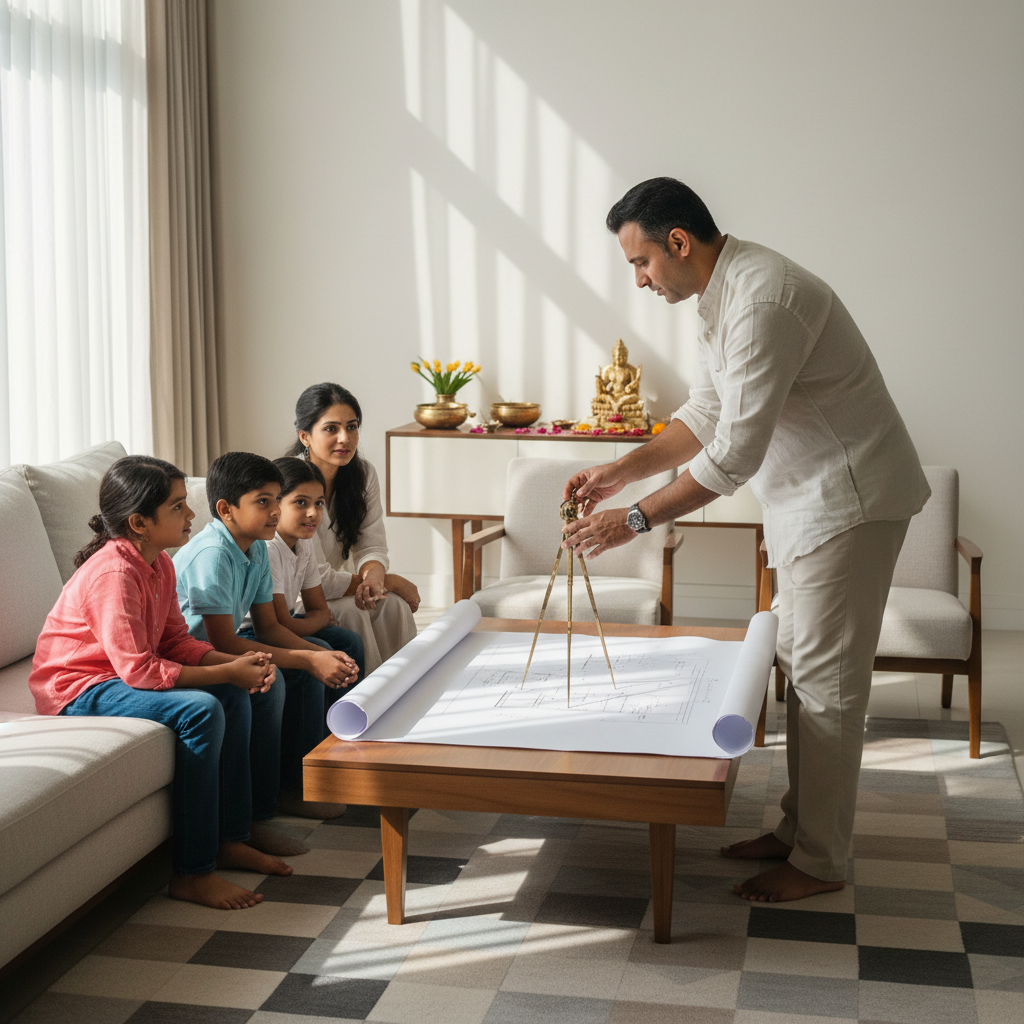
Need a precise window picked for your address? Our personalized muhurat selection pairs panchang math with Vaastu reality—so your ceremony runs on time and feels right. Start with our quick process overview here: Vaastu consultation process.
Astrological Methods and Approaches We Use
We evaluate tithi, nakshatra, weekday, choghadiya, lagna strength, and planetary transits, then cross-check these with your birth charts and Vaastu. This layered approach avoids one-size-fits-all dates and yields practical windows that work for real families in North American time zones.
Core panchang filters
- Favorable tithis: typically Dwitiya, Tritiya, Panchami, Dashami, Ekadashi, Trayodashi.
- Supportive nakshatras: Rohini, Mrigashirsha, Anuradha, Revati, Uttara Phalguni, Uttarashada (context-dependent).
- Weekday bias: Monday, Thursday, and Friday often support calm, growth, and prosperity themes.
Time-of-day refinements
- Choghadiya and Hora: select auspicious sub-intervals inside the broader day.
- Rahu Kaal: always excluded; see our simple guide for city-specific timing shifts.
- Shubh Samay: identify positive bands that fit your setup and guest arrival.
Chart and transit checks
- Lagna and house strength: we prefer ascendants that stabilize the 4th (home) and 2nd (family) houses.
- Transit flags: soften tense aspects with mantras/yantras if rescheduling isn’t feasible.
- Family-specific vetoes: we avoid clashes with a child’s janma nakshatra or sensitive weekday lord.
When multiple promising windows appear, we shortlist two: a primary and a fallback. This keeps your planning resilient if weather or deliveries shift the schedule.
Best Practices and Practical Checklists
Lock your muhurat first, then shape logistics around it: prep the entryway, set a pooja zone, confirm kitchen-fire safety, and build a 30-minute buffer. A clear checklist avoids last-minute stress and keeps the ceremony within your chosen window.
Home preparation checklist
- Clean and declutter entry, kitchen, and pooja corner; complete essential utilities.
- Prepare ritual items: kalash, coconut, mango leaves, rice, flowers, ghee lamp.
- Stage a safe space for kids and elders; add seating near the pooja area.
- Test smoke detectors and kitchen ventilation before lighting the stove or lamp.
Timing and people
- Share the exact start time and a 30-minute arrival window with family and priest.
- Assign roles: puja setup, guest welcome, prasad distribution, photo lead.
- Account for 90–120 minutes of rituals plus a buffer for photos and greetings.
Local considerations for Brampton
- Plan parking and arrival flow; families near the Highway 50 – Zum Queen Station Stop WB see weekend congestion changes—arrive early.
- Peak winter sunrise is late; favor mid-morning muhurats for safer travel and daylight.
- If you’ll visit Bhavani Shankar Mandir & Cultural Centre the same day, coordinate travel so it doesn’t cut into the ritual window.
For a fuller home-readiness walkthrough, our concise list helps you avoid common misses—see Vaastu Checklist for New Home. It covers entry, kitchen, bedrooms, and remedies for typical floor plans.
Tools and Resources You Can Use
Use a verified panchang, our Rahu Kaal/Shubh Samay guide, and your personalized email horoscope to shortlist dates. Then ask us to pressure-test your picks against Vaastu. This combo keeps your schedule practical without diluting tradition.
- Learn the basics fast: Rahu Kaal and Shubh Samay explained.
- Get a tailored snapshot: our email horoscope workflow aligns dates with current transits.
- Preview layout risks: skim our Vaastu consultation process to see what we’ll check on site or remotely.
New homeowners often balance Vaastu preferences with closing schedules and contractor timelines. Insights from local real-estate resources show how move-in steps cluster around possession milestones and inspections. For context, see these perspectives from HouseUp’s listings guide and Malika Homes on Vaastu mistakes. Brampton pre-construction buyers can also review Malika Homes’ pre-construction process to coordinate timelines with muhurat windows.
Case Studies and Examples
Real families in Brampton and nearby cities used customized muhurats to align tradition with tight schedules. These snapshots show how we balanced charts, sunrise, and logistics—achieving smooth ceremonies without sacrificing accuracy or safety.
Brampton family with month-end closing
- Constraint: possession on a Friday afternoon; child’s chart clashed with Friday’s lord.
- Action: shortlisted Saturday morning windows anchored to sunrise; avoided Rahu Kaal.
- Result: 2-hour ceremony ended before midday; family reported better sleep the first week.
Mississauga couple moving in winter
- Constraint: icy roads and late sunrise limited early starts.
- Action: selected a mid-morning muhurat with favorable choghadiya; built in extra travel buffer.
- Result: on-time entry with no rush; photos in natural light and warm indoor setup.
New build with Vaastu-sensitive kitchen
- Constraint: stove position near a doorway; family requested a mitigation plan.
- Action: combined a strong lagna with a kitchen-fire ritual and a simple yantra recommendation.
- Result: ceremony completed within 100 minutes; ongoing remedy plan provided peace of mind.
We’ve seen similar wins across Toronto, Vaughan, and Kitchener. The formula is consistent: respect the charts, respect the clock, respect the floor plan—and always maintain a calm, family-friendly pace.
Frequently Asked Questions
You’ll find concise answers to the most common Griha Pravesh questions below. Each response covers what to do and why it matters, so you can plan with clarity and confidence.
How far in advance should we book muhurat selection?
Reach out 2–4 weeks before your expected possession or completion date. This allows time to screen multiple dates, align family schedules, and prepare a checklist. If you’re on a tight timeline, we can still shortlist fast and provide a practical fallback window.
Which days and nakshatras are usually good for Griha Pravesh?
Context matters, but we often favor Monday, Thursday, and Friday, and nakshatras like Rohini, Mrigashirsha, Anuradha, Revati, and Uttara Phalguni. We always vet these against your family charts and local sunrise, then exclude Rahu Kaal before finalizing a start time.
What if our schedule doesn’t fit the ideal muhurat?
We’ll choose the best available window and strengthen it with remedies such as specific mantras, a kitchen-fire ritual, or a simple yantra. We also build a realistic buffer so guests arrive calmly and the ceremony stays inside the positive time band.
Can renters perform Griha Pravesh, or is it only for homeowners?
Renters absolutely can. The goal is to harmonize the living space for health, focus, and peace—whether you own or rent. We’ll tailor the ritual list to what’s permissible in your lease and align the timing with your move-in schedule.
Key Takeaways
Successful housewarming muhurats blend precise astrology with real-life logistics. Lock the time, prepare your space, assign roles, and keep a fallback window. When charts, sunrise, and Vaastu agree, the ceremony feels effortless—and that positive start echoes into daily life.
- Start with a panchang shortlist, then refine by lagna and local sunrise.
- Exclude Rahu Kaal; prefer calm morning bands within Shubh Samay.
- Align entry direction and kitchen-fire with Vaastu; prep a checklist.
- Plan 90–120 minutes for rituals plus a 30-minute buffer.
- Have a fallback muhurat in case of weather or delivery delays.
Ready to finalize your 2026 housewarming muhurat? If you’re in or around Brampton, book a personalized review with World Astro. Explore our practical framework here: Best Muhurat Tips and Vaastu consultant in Brampton. We’ll align charts, sunrise, and floor-plan realities—then send you a clear, stress-free plan.