



Vaastu for Home Office: Get More Done in 2026
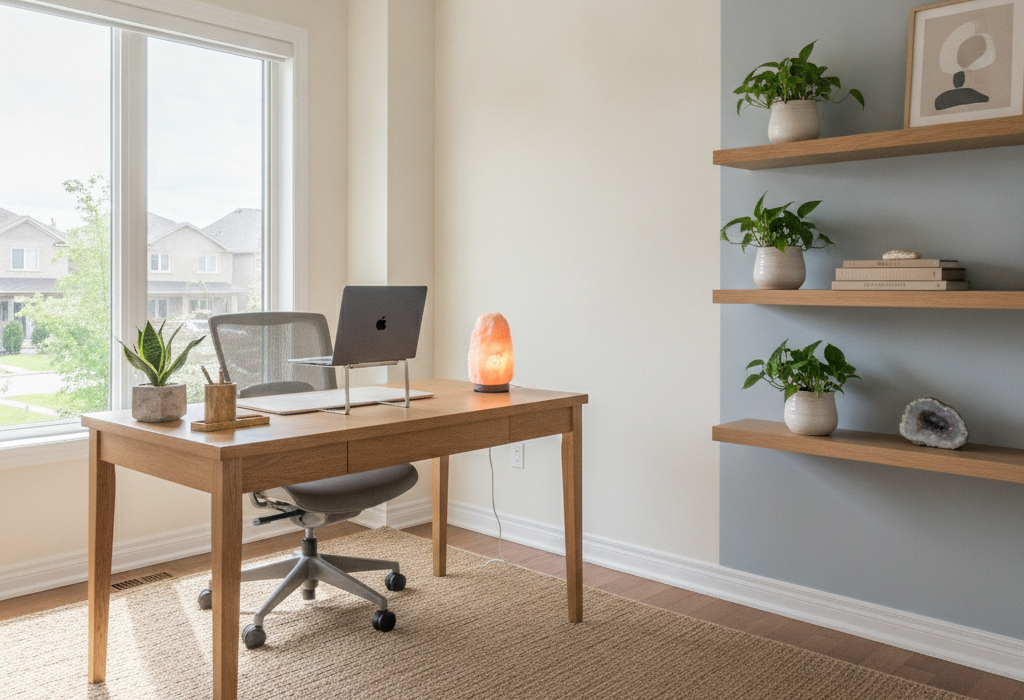
Vaastu tips for home office focus on desk direction, layout, light, and remedies that align your workspace with supportive energies. In Brampton, place your desk facing east or northeast, keep a solid wall behind you, reduce clutter, and use plants or yantras to stabilize focus and prosperity. These simple moves create measurable calm and better flow.
By Nirwair • Last updated: June 30, 2026
Summary and Table of Contents
This guide shows you how to arrange a productive, Vaastu-aligned home office. You’ll learn ideal desk directions, room placement, lighting, colors, and simple remedies. Use the table of contents to jump to what you need and apply the step-by-step checklists to get results today.
Here’s what you’ll find:
- What Vaastu means for a modern home workspace
- Why direction, light, and clutter matter
- How to plan room, desk, and seating step by step
- Best practices, quick wins, and common traps to avoid
- Tools and resources from World Astro to personalize your setup
- Real mini case studies from Brampton clients
- FAQ and next steps
Local considerations for Brampton
- Schedule layout changes when you’re least likely to be disturbed by traffic or errands near Bhavani Shankar Mandir; quieter windows help you “feel” the before/after shift.
- Winter daylight is short; prioritize an east/northeast desk to catch morning light and supplement with warm, dimmable LEDs.
- When commuting via Highway 50 – Zum Queen Station Stop WB, plan major desk moves after work; then sit quietly for five minutes to settle the new energy.
What Is Vaastu for a Home Office?
Vaastu for a home office is the practice of arranging your workspace to align with directional energies that support focus, clarity, and prosperity. It translates classical architectural principles into modern layouts, guiding desk placement, seating, lighting, colors, and remedies so remote work feels balanced and effective.
Vaastu is a directional and elemental framework. It maps how north, east, south, and west interact with functions like thinking, leading, storing, and resting. In a home office, this translates to where you sit, which way you face, and how you balance light, color, and movement.
- Desk orientation: Facing east or northeast supports fresh ideas and steady concentration.
- Chair backing: A solid wall behind your chair adds authority and calm.
- Declutter: Clear pathways signal flow and reduce friction during deep work.
- Elements: Plants, natural materials, and gentle light stabilize mood.
At World Astro, we merge these principles with your birth chart when requested, connecting workspace choices to your planetary strengths. This is especially helpful when you’re torn between rooms or need targeted remedies like yantras or Rudraksha.
Why Vaastu Matters for Productivity and Well-Being
Workspace Vaastu matters because direction, light, and clutter directly affect how your brain processes tasks. An aligned desk, balanced lighting, and a calm visual field reduce micro-stress, helping you start faster, stay focused longer, and end your day with more energy in reserve.
Many remote workers describe a “mental drag” in rooms with back-facing doors, glare, or cable clutter. These are classic frictions. Small fixes—like facing east, placing the chair with a stable backing, or softening glare—often remove the edge that causes fatigue.
- Direction and initiation: East-facing setups encourage clear starts and smoother mornings.
- Back support and confidence: A wall or tall storage behind you reinforces steadiness during calls.
- Visual simplicity: Reduced clutter lowers cognitive load and decision fatigue.
- Light quality: Indirect daylight plus warm LEDs limits eye strain and maintains mood across seasons.
How Home-Office Vaastu Works in Practice
Home-office Vaastu works by sequencing decisions—room choice, desk direction, chair placement, light, and remedies—in a consistent order. Make the structural calls first (room and facing), then tune details (clutter, color, plants, yantras) so each layer reinforces the last.
We use a simple flow when advising clients in Brampton. Start with room selection, then decide how you’ll face, then fix light and glare, and finish with remedies. Each step makes the next one easier and reduces rework.
- Pick the room: Prefer a quiet northeast or north zone if available; avoid rooms where people constantly pass through.
- Set the facing: Face east or northeast for ideation; north for finance, analysis, or operations.
- Stabilize the seat: Keep a solid wall behind your chair; avoid windows directly at your back.
- Balance the light: Use indirect daylight with a warm task lamp; control glare with sheer curtains.
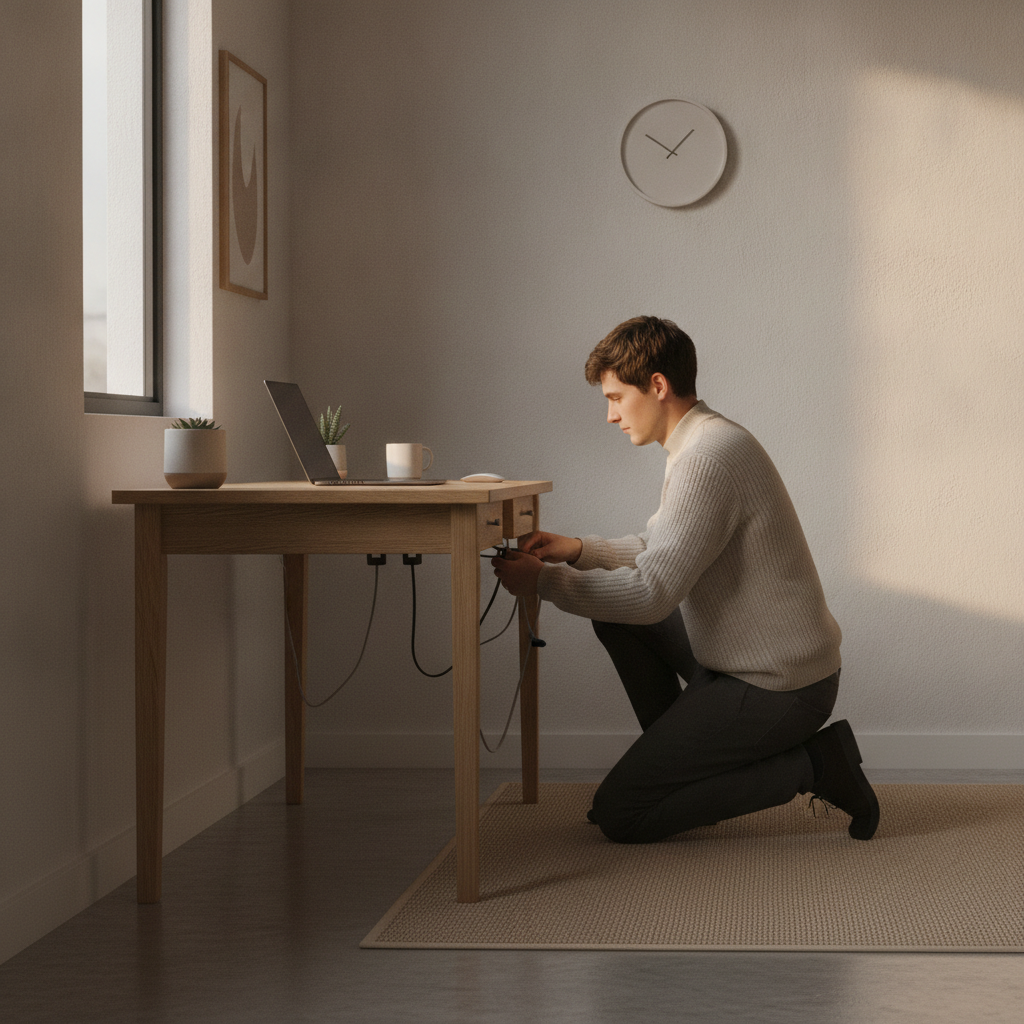
- Clear the field: Hide cables and remove desk-surface clutter; store heavy files to the southwest.
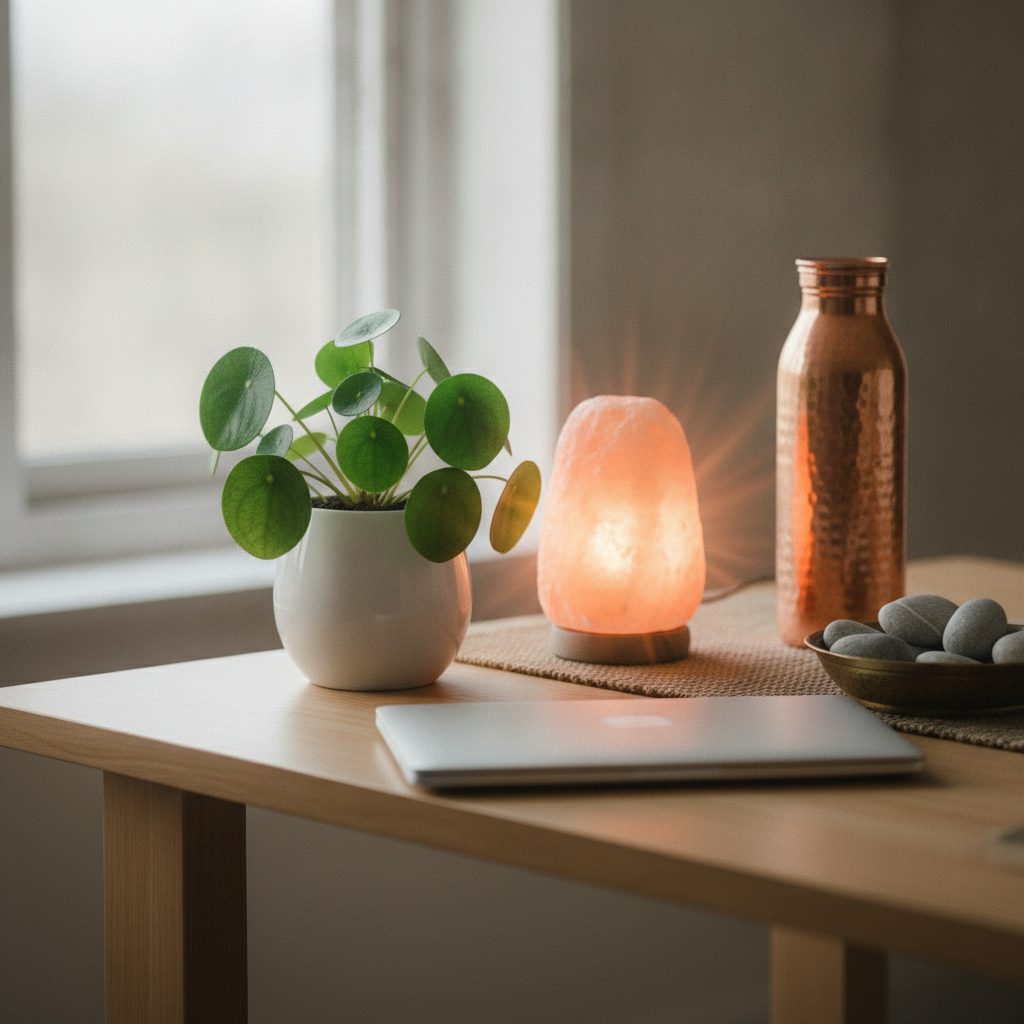
- Add remedies: Consider yantras, a healthy plant, or a Himalayan salt lamp for grounding and clarity.
Clients who follow this order report that decisions feel simpler. It’s easier to choose colors once you’ve settled the facing and light. Remedies work best when placed into a layout that already flows.
Directions and Layout: Best Approaches
Choose an east or northeast facing for creativity and learning; choose north for finance and analytics. Keep your back to a solid wall, door visible in peripheral vision, and heavy storage to the southwest. This basic pattern creates a stable, low-friction workspace you can refine over time.
Use the table below to match common goals to recommended facings and placements. Keep doors within sight to reduce startle reflex, and position screens to avoid window glare.
| Goal/Work Type | Recommended Facing | Ideal Zones | Notes |
|---|---|---|---|
| Creativity, learning, planning | East or Northeast | Northeast or North rooms | Capture morning light; keep surfaces clear. |
| Finance, analytics, operations | North | North or Northwest rooms | Ground with a solid-backed chair. |
| Leadership, sales, influence | East or Northwest | West for storage, Southwest for files | Keep the door visible; reduce echo. |
| Writing, deep work, research | East | Northeast | Use soft, indirect light to limit eye strain. |
- Door awareness: Keep the door in your peripheral view; if not possible, use a small mirror angled safely to view the entry without distraction.
- Storage weight: Place heavy files and safes in the southwest; lighter materials to the north or east.
- Printer and electronics: Station these toward the southeast with cable clutter hidden.
If you need a deeper office blueprint, see our office Vaastu layout guide and our consultation process steps for a structured walkthrough.
Best Practices and Quick Wins
Start with what you can change today: face east, clear your desktop, soften glare, and ground the room with one healthy plant. Then add a focused remedy—like a yantra or Rudraksha—if you still sense friction. Small, consistent upgrades compound fast.
- Face east first: Turn the desk before you buy anything. Observe how your morning work feels for a week.
- Clear the big three: Desktop, floor around your chair, and immediate sightline.
- Soften the light: Use sheer curtains and a warm, dimmable task lamp; avoid harsh overheads.
- Plant power: Add one medium plant to your side, not dead center of the desk.
- Grounding object: A salt lamp or smooth stones in a small brass bowl can settle a restless room.
- Printer zone: Keep devices to the southeast and out of your direct line of sight.
- Five-minute reset: Sit quietly after any major move; let the new layout “arrive.”
If you’re unsure which remedy to use, our team can align your workspace with your planetary strengths through a short session. We often pair layout changes with tailored yantras for steadiness or gemstones for confidence.
Tools and Resources to Personalize Your Setup
Use free diagnostics and structured guidance before buying decor. Start with a Vaastu checklist, review common mistakes, and book a consult when your layout has constraints. The right sequence saves effort and makes every remedy work harder.
Helpful resources on our site:
- Step-by-step Vaastu consultation process so you know what to expect.
- When to act: plan your consultation timing for smoother changes.
- Fix common errors: avoid Vaastu dosh mistakes that slow results.
- Design for scale: warehouse Vaastu patterns also inform storage placement at home.
- Local help: work with a Brampton Vaastu consultant for complex rooms.
- New construction: Vaastu checklist for a new home if you’re remodeling your office room.
For broader context, practical checklists from Malika Homes and room-planning insights in their Vaastu layout article echo the value of sequencing decisions—room, facing, then details—so your changes stick.
Case Studies and Examples from Brampton Clients
Small directional shifts can unlock big results. In our Brampton work, moving a desk to face east, adding a solid backing, and placing files in the southwest consistently produced calmer calls, faster starts, and better end-of-day energy within two weeks.
Example 1: The restless brainstormer
A product lead struggled with scattered mornings. We rotated the desk to face east, moved the chair against a solid wall, and added a medium plant. Within days, idea sessions felt smoother and meetings ended on time.
Example 2: Numbers and nerves
An accountant felt tense during long reconciliations. We shifted the facing to north, placed heavy ledgers southwest, and hid printer cables. Reporting blocks dropped and the room felt more grounded for deep analysis.
Example 3: The echo room
A marketer’s spare room echoed on client calls. We added a rug, curtains, and placed the chair with door visibility. Call feedback improved, and the space felt more professional.
When rooms are tricky—like shared spaces or window-at-back layouts—a short consult helps you prioritize trade-offs. Our approach is ethical, confidential, and focused on practical change you can feel.
FAQ: Home Office Vaastu
These quick answers resolve the most common home-office Vaastu questions: which way to face, where to keep electronics, how to use remedies, and what to do when your room layout fights you. Each tip is simple to try and safe to test.
Which direction should I face while working from home?
Face east or northeast for creativity and planning. If your work is finance-heavy or analytical, face north. Keep a solid wall behind you whenever possible and place the door within your peripheral view to reduce startle and improve focus.
Where should I place my printer and Wi‑Fi router?
Keep electronics toward the southeast corner, away from your immediate sightline. Hide cables and reduce blinking lights. This keeps the work zone visually calm and prevents devices from dominating your field of view.
Do I need remedies like yantras or gemstones?
Not always. First, set direction, seat backing, and light. If friction remains, a targeted yantra, Rudraksha, or gemstone aligned to your chart can help. Remedies work best in a layout that already follows Vaastu basics.
What if my room forces my back to the door?
Use a small mirror angled to see the entry without becoming a distraction, and add a tall plant or shelf to create a sense of backing. When possible, reorient the desk or shift to a different wall to regain door awareness.
Conclusion and Next Steps
Start with direction, seat backing, and light. Then remove clutter and place storage deliberately. Only after the layout flows should you add remedies. This sequence delivers reliable, low-cost gains you can feel within days.
- Key actions: Face east or north; keep a solid wall behind you; curb glare; tidy cables.
- Smart storage: Heavy items southwest; keep the desk surface lean.
- Fine-tuning: Add a plant or salt lamp; consider a yantra or gemstone if friction persists.
Ready for a tailored plan? Book a local review with our Brampton Vaastu consultant or check the best time to schedule your session. Insights from YouTube Trends show interest is rising—now is a great moment to optimize your space.
Related Articles and Resources
Deepen your understanding with step-by-step office layout guidance, timing insights, and common error fixes. These resources help you move from “good enough” to a workspace that consistently supports your best work.
1 Comment
Comments are closed.