



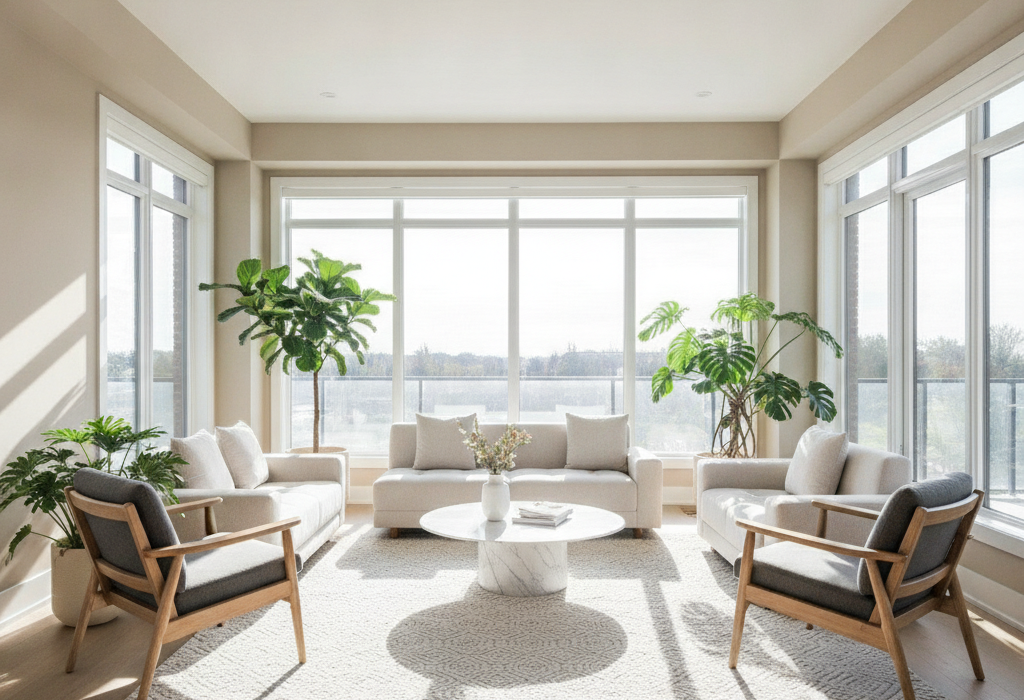
What Is Vaastu Score? Simple Ways to Read It in 2026
The Vaastu Energy Score is a 0–100 rating that summarizes how well a home or office aligns with Vaastu principles across orientation, room zoning, entry placement, five elements, and circulation. In Brampton, you can check your property using World Astro’s free tool. This guide gives the vaastu energy score explained in plain, practical steps.
By Nirwair • Last updated: 2026-07-01
Overview and quick summary
A Vaastu Score condenses dozens of layout and orientation signals into a single 0–100 number. Scores above 70 often indicate strong alignment; below 50 usually means multiple dosh (imbalances) to correct. Use the score to prioritize fixes—from door direction and room zoning to element balance—before deeper, property-specific consultation.
Here’s the short version of how to use this guide.
- Understand what the score measures: directions (eight compass points), the five elements, entrance and kitchen placement, bedrooms, toilets, and energy flow.
- Read your band: 0–49 (low), 50–69 (moderate), 70–84 (strong), 85–100 (excellent).
- Fix fast wins first: doorway alignment, cluttered passages, stove and sink separation, and sleeping head direction.
- Then plan strategic changes: room zoning, mirrors, elemental remedies, and layout corrections.
- For accurate next steps, book a professional Vaastu/Fengshui consultation tailored to your site conditions.
What is the Vaastu Energy Score?
The Vaastu Energy Score is a standardized 0–100 assessment of how a property’s plan and usage align with classical Vaastu principles. It evaluates directionality, room functions, entrances, elemental balance, and movement paths, giving homeowners a clear, comparable snapshot they can track over time.
At its core, a Vaastu Score translates intricate principles into a simple index you can act on. It’s built on directional science (N, NE, E, SE, S, SW, W, NW), the five elements (earth, water, fire, air, space), and the Vaastu Purusha Mandala (commonly mapped as a 9×9 grid = 81 padas). Together, these signal whether your spaces support rest, focus, prosperity, and health.
- Directionality: Entrances, bedrooms, kitchens, and workspaces are weighed against favorable quadrants. Even a 10–15° misalignment in usage can influence the score.
- Function–zone match: Activities like cooking (fire) or sleeping (earth) are matched to directions to minimize friction and enhance outcomes.
- Energy flow: Clear pathways, uncluttered corners, and balanced openings reduce stagnation and improve the score.
- Elemental balance: Fire (stove), water (bath/toilet), air (ventilation), earth (heavy furniture), and space (open areas) are audited for proportion and placement.
Think of the score as your dashboard. It doesn’t replace expert judgment, but it shows where to focus first. In our experience guiding families across Canada, clients who understand their baseline can improve specific rooms in weeks and their overall score steadily with planned corrections.
Why your Vaastu Score matters
Your Vaastu Score highlights where layout and usage help—or hinder—sleep, focus, relationships, and finances. It lets you prioritize changes with the best payoff, track improvements over time, and reduce guesswork before renovations or furniture moves.
Why does this matter? Because homes and offices signal behavior. The right entrance orientation, kitchen zone, and bed direction can support better routines and decision-making. A score turns those patterns into a measurable plan, so you don’t rely on vague impressions.
- Clarity before action: A single number guides you to the few changes that shift results fastest.
- Risk reduction: Avoid trial-and-error renovations by correcting high-impact dosh first.
- Momentum you can see: Small, visible wins—like clearing blocked NE corners—build confidence for bigger layout work.
- Better timing: Align improvements with auspicious windows (muhurat) for smoother implementation.
When working with clients in Brampton, we’ve found that addressing one or two high-leverage corrections—entrance clutter and kitchen alignment, for instance—often improves sleep quality and focus within a single lunar cycle. The score helps you pick those first moves.
How World Astro calculates the score
World Astro’s method blends classical Vaastu (81-grid mapping, eight directions, five elements) with practical site realities. We review plans and on-site photos, check orientation with a calibrated compass, and grade room functions, movement paths, and elemental balance to produce a 0–100 score with prioritized fixes.
Here’s how our framework works in practice.
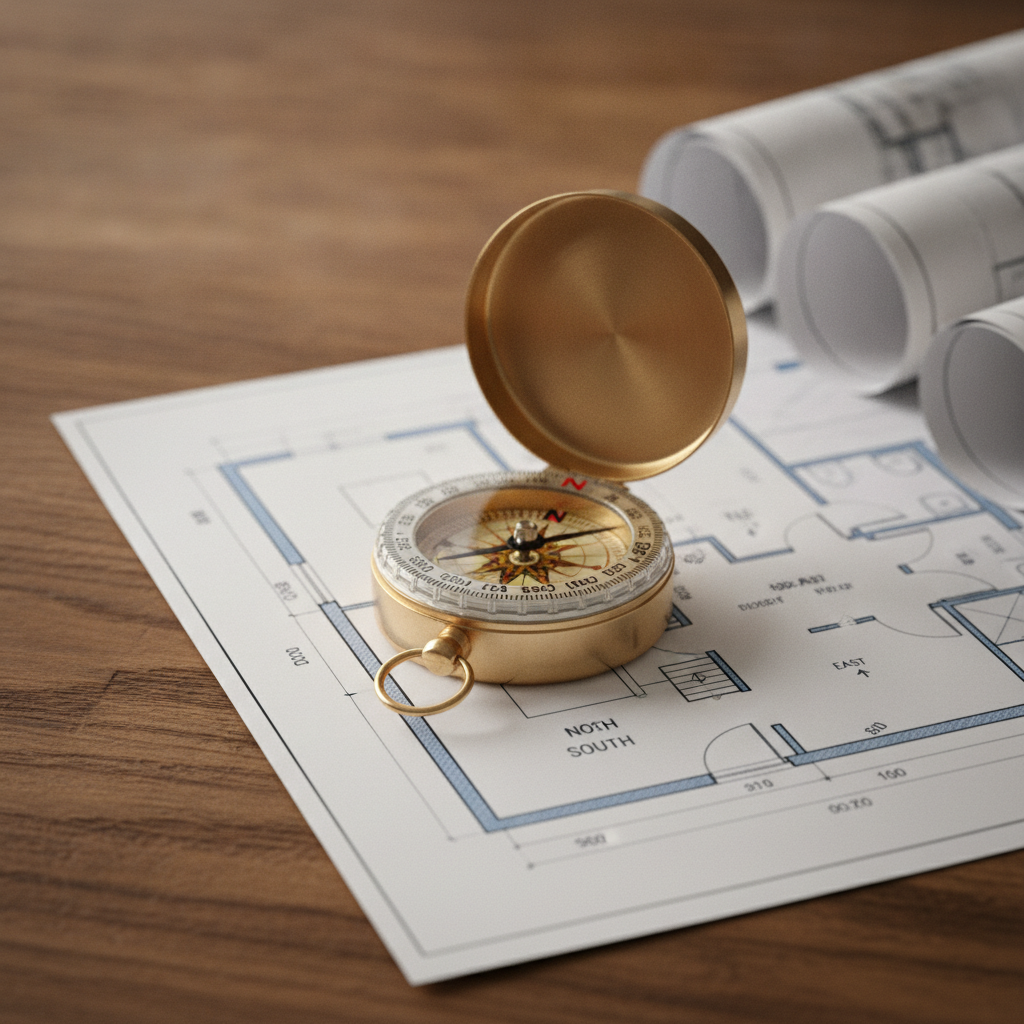
- Orientation baseline: We confirm true north using a calibrated compass or survey, then map rooms against eight directions. For condos, we also consider the unit’s core and shared shafts.
- Function–zone audit: We check where the kitchen, master bedroom, study, toilets, and entry fall relative to favorable quadrants (e.g., SE for kitchen, SW for master bed in many cases).
- Element check: We balance fire–water interactions (stove vs. sink), heavy vs. light zones, ventilation, sunlight, and open space ratios.
- Flow mapping: We trace common paths—door to sofa to bedroom, desk to printer to storage—reducing cross currents and obstructions.
- Priority scoring: We weight high-impact items (entry, kitchen, master bed) more than cosmetic ones to ensure your first actions deliver results.
To help you get started fast, try our free Vaastu Energy Score tool, then compare your result with our deeper explainer on how the score works. If your property needs tailored guidance, our step-by-step approach in Vaastu consultation process outlines what to expect.
Local considerations for Brampton
- When scheduling on-site checks near Highway 50 – Zum Queen Station Stop WB, plan around evening traffic so orientation readings aren’t rushed.
- Winter sun angles change daylight paths; reassess NE light access mid-December for accurate element balance.
- Properties close to Bhavani Shankar Mandir often enjoy quiet surroundings—use this to optimize bedrooms for deep rest with SW grounding.
Score ranges and what they mean
Use bands to decide your next step. 0–49 signals structural or zoning mismatches; 50–69 shows mixed alignment with clear wins available; 70–84 indicates strong fundamentals; 85–100 is excellent and worth maintaining with minor tweaks and timely rituals.
These bands help you translate a single number into an action plan you can follow without second-guessing.
| Score band | What it suggests | Recommended actions |
|---|---|---|
| 0–49 (Low) | Multiple high-impact dosh; energy feels stuck |
|
| 50–69 (Moderate) | Some wins, some friction |
|
| 70–84 (Strong) | Good fundamentals; fine-tune for gains |
|
| 85–100 (Excellent) | Harmonious alignment; protect it |
|
If your band is low, don’t panic. In our experience, a handful of targeted fixes can nudge a home from the 40s into the 60s within a few weeks—especially when entrance decluttering, kitchen adjustments, and sleep direction shifts are combined with supportive remedies.
Common dosh signs and fast wins
Frequent score-lowering issues include SW toilets, NE kitchens, blocked entries, bed heads in the North, and stove–sink collisions. Quick wins: free the entrance, reorient sleep head to South/East, separate fire and water, brighten NE, and ground SW with heavier furniture.
Before structural changes, hunt these patterns room by room. These corrections often move the needle:
- Entrance: Remove shoes and clutter from the main door zone; ensure it opens fully without hitting furniture.
- Kitchen: Keep stove (fire) and sink (water) apart by a safe working gap; avoid placing the stove directly under a window draft.
- Bedrooms: Favor a headboard toward South or East; keep mirrors away from the bed view; ensure SW stays heavier and calmer.
- Toilets/Baths: Prevent leaks and dampness; ventilate thoroughly to clear stagnant water element effects.
- Living/Work areas: Create uninterrupted pathways; don’t seat with your back to the main door; use natural light in NE/E for focus work.
Need a deeper walkthrough? Our practical guide on avoiding dosh-correction mistakes explains why certain “fixes” backfire and how to stage remedies safely.
Best practices to improve your score
Start with high-impact basics: clear the entry, align sleep head direction, set the kitchen in a favorable quadrant, and separate stove and sink. Then fine-tune with lighting, ventilation, mirrors, plants, and elemental remedies to balance zones without heavy renovations.
In our Brampton consultations, we prioritize practical adjustments you can execute in a day or two, then layer strategic tweaks. Here’s a field-tested order:
- Unblock movement: Clear the main door and primary pathways first.
- Stabilize SW: Place heavier storage or a solid headboard; reduce water features in SW.
- Brighten NE/E: Use sheer curtains and reflective, not glaring, surfaces to pull in light.
- Kitchen tune-up: Separate fire and water; prefer SE for cooking; keep counters decluttered.
- Desk and bed directions: Face work towards East/North; sleep with head to South/East.
- Elemental remedies: Add earth (ceramics), air (plants), and space (open areas) where lacking.
For renters, see our localized advice in Vaastu tips for rented homes. Office teams can cross-check layout ideas in our office Vaastu guide to keep meeting rooms, desks, and storage aligned.

Tools and resources to use
Begin with a quick self-check, then deepen with expert input. Use World Astro’s free scoring tool, read our method explainer, and follow a structured consultation if your band is low or moderate. This layered approach prevents random changes and protects what’s already working.
Build your toolkit in three steps:
- Run the free Vaastu Energy Score for a baseline.
- Study how the score works to see which inputs matter most.
- Plan a structured review using our consultation process so fixes happen in the right order.
For additional homeowner perspectives, consider scanning this plain-language Vaastu explainer and a practical home design checklist before major layout changes. If you’re comparing consultation flow, this overview of layout considerations can help you prepare questions.
Need a second pair of expert eyes? After you score your place, review our method article, then schedule a focused session using the steps in our consultation guide. We’ll prioritize fixes that protect what’s working and correct what’s not—without unnecessary upheaval.
Case studies and real examples
Small, precise moves can shift a property one score band up. In our work, clearing the entry, tuning the kitchen triangle, and correcting sleep direction often raises scores from the 40s into the 60s, and from the 60s into the 70s, when combined with elemental balance.
Example 1: Two-bedroom condo, Brampton
Baseline: Score 46. Issues: blocked entry shoe rack, stove–sink collision, bed head toward North.
- Actions: moved shoe rack; inserted prep zone between stove and sink; rotated bed to head South; added earth element to SW.
- Result: Score improved to 63 within two weeks; residents reported deeper sleep and less morning rush.
Example 2: Home office in a townhouse
Baseline: Score 58. Issues: desk back to door, dark NE corner, printer jam in main path.
- Actions: reoriented desk to face East; added task light and plant in NE; relocated printer to W wall.
- Result: Score rose to 72; client noted fewer interruptions and steadier focus for 90-minute blocks.
Example 3: Family kitchen refresh
Baseline: Score 51. Issues: stove under drafty window, congestion around fridge, mixed storage.
- Actions: sealed window draft; shifted prep surfaces; separated water and fire zones; decluttered counters.
- Result: Score increased to 68; cooking felt calmer and mealtimes aligned better with family routines.
For more structured before–after work, review our step plan in the consultation process guide so improvements build on each other instead of colliding.
How to read your own report
Read your report in this order: entrance, kitchen, master bedroom, toilets, then movement paths. Fix one item per zone, retest in 14–21 days, and only then move to deeper corrections. This sequencing prevents mixed signals and preserves your early wins.
Use this checklist to interpret your result efficiently:
- Entrance first: Is the door aligned to a favorable quadrant? Does it open fully? Is clutter blocking flow?
- Kitchen quadrant: Is cooking in SE or another favorable zone? Is fire clearly separated from water?
- Master bed: Is the head toward South/East with a solid headboard? Is the room anchored in SW?
- Baths/toilets: Are dampness and odors controlled? Is ventilation strong and regular?
- Paths and light: Are main paths clear? Do NE/E corners get morning light?
Cross-check your notes with the deeper dive on how the score works. When you’re ready for tailored input, follow the staged steps in our consultation process.
Advanced approaches and methods
Beyond quick wins, advanced reviews examine the 81-pada grid, 16 directional sectors, sunlight arcs across seasons, and interaction of heavy–light massing. This reveals deeper conflicts—like a strong NE blocked by tall cabinets—that simple decluttering can’t solve.
When the basics are set, deeper analysis refines accuracy:
- 81-grid mapping: Align plan to the Vaastu Purusha Mandala to test how functions overlap sensitive padas.
- 16-sector lens: Split the eight directions further (e.g., E1–E2) for more precise room tuning.
- Seasonal light study: Compare winter and summer sun to calibrate where to enhance NE and shade SW.
- Mass and materials: Keep heavier storage and earthen finishes toward SW; lighter, breathable zones toward NE/E.
If you’re renting or can’t move walls, staged remedies still help. See our rented-home tips for reversible changes that respect leases.
Tools, checklists, and planning
Plan improvements like a mini-project: baseline your score, list top three issues, assign one action per zone, and review after 14–21 days. Keep photos and a room-by-room log so you can see real gains and avoid undoing earlier wins.
- Baseline with the free score tool.
- Prioritize one change per zone (entrance, kitchen, bedroom, baths, living/work).
- Retest and journal outcomes (sleep depth, focus length, mealtime flow).
- Only then plan structural moves, ideally aligned with an auspicious muhurat.
For general homeowner context, skim a non-technical Vaastu design checklist so family members understand the why behind each step. It helps everyone stay consistent while changes settle.
Frequently Asked Questions
The FAQs below answer the most common questions we receive from Brampton homeowners about scoring, improving, and maintaining Vaastu alignment. Each response is concise so you can act without second-guessing next steps.
What is a good Vaastu Energy Score to aim for?
Aim for 70 or higher. Scores above 70 usually indicate strong fundamentals that support sleep, focus, and routines. If you’re in the 50–69 range, address top issues first and retest in two to three weeks.
Can renters improve a low score without renovations?
Yes. Clear the entry, reorient the bed head to South/East, separate stove and sink, brighten NE, and use plants or ceramics to balance elements. These reversible changes often lift scores by a full band.
How often should I rescore my home or office?
Rescore after each focused change and seasonally (about every 90 days). Sun angles, use patterns, and furniture layouts shift with time. A seasonal check keeps small misalignments from compounding.
Does a high score replace expert consultation?
No. A high score is encouraging, but site realities and personal factors still matter. Use the score to maintain good habits and consult an expert when tackling structural moves or persistent challenges.
Is this the same as Fengshui?
Vaastu and Fengshui share goals—healthy flow and balance—but differ in origin and method. World Astro integrates Vaastu/Fengshui principles where useful, but your score is calculated using classical Vaastu criteria.
Conclusion and next steps
Treat the Vaastu Energy Score as your roadmap. Fix high-impact items first, validate results over 14–21 days, then plan deeper adjustments with expert input. This staged method preserves wins and steadily raises your band toward strong or excellent.
- Key takeaways: One number, clear priorities, measurable gains.
- Use bands to choose actions; don’t overhaul everything at once.
- Fast wins often come from entry, kitchen, and sleep direction.
- Keep what’s working; correct what isn’t—with timing that supports you.
Ready to see your baseline? Start with the free Vaastu Energy Score, review how it works, then follow our consultation process. If you’re in Brampton, we’re happy to tailor guidance to your property’s specifics.
6 Comments
Comments are closed.