




Vaastu Consultation Cost Guide: Pricing by Property Type
Cost of Vaastu consultation is the investment required to assess your property, diagnose Vaastu dosh, and plan practical remedies. At World Astro in Brampton (33 Seachart Pl), we align scope with your goals, property type, and timeline so you pay only for work that creates results—without generic packages or guesswork.
By Nirwair, World Astro • Last updated: 2026-06-05
At a Glance: What drives Vaastu consultation cost
Vaastu consultation cost depends on scope (home, office, factory), engagement format (on-site or remote), documentation quality, remedy depth (structural vs non-structural), and scheduling needs. Align plans, photos, and goals upfront to reduce back-and-forth. A focused brief typically shortens analysis and accelerates results.
Here’s a quick overview of what shapes the budget and how to optimize value before you book.
- Scope and size: Square footage, floors, and usage define analysis depth.
- Format: On-site audits include compass and field checks; remote reviews rely on accurate drawings, photos, and video.
- Documentation: Scale-checked plans, true north, and utility points reduce revisions.
- Remedies: Non-structural steps (placements, elements) vs. structural changes (walls, plumbing).
- Timeline: Standard vs. rush scheduling and milestone reviews.
- Goals clarity: Listing 3–5 objectives guides prioritization and sequencing.
What is the cost of Vaastu consultation?
The cost of Vaastu consultation reflects the professional work to map directions, analyze the 16 zones, diagnose Vaastu dosh, and deliver a prioritized remedy plan. Fees change with property type and depth of deliverables. Clear goals and accurate drawings reduce time and keep the engagement right-sized.
In simple terms, you’re investing in expert analysis, not a template. We review 8 directions, 16 classical zones, and room-to-room functions against Vaastu principles. Then we tailor remedies to your reality—what you can implement now, what to stage later, and what to bypass if it doesn’t serve your goals.
- Inputs we evaluate: Orientation, natural light, entry/exit flow, kitchen/bedroom/bath placement, utilities, storage, and key activity areas.
- Outputs you receive: A diagnosis of imbalances, a stepwise remedy roadmap, and optional muhurat guidance for starting changes.
- Engagement fit: Condos and townhomes often benefit from focused remote reviews; larger homes, offices, and warehouses gain from staged on-site audits.
Local considerations for Brampton
- Transit & timing: Fieldwork near the Highway 50 – Zum Queen Station Stop WB can be time-sensitive; aim for mid-mornings to avoid rush windows.
- Seasonal daylight: Winter sun path checks run best between 10 a.m. and 3 p.m. for accurate readings.
- Cultural planning: Homes around Bhavani Shankar Mandir & Cultural Centre often request designated pooja areas. Define those needs in your brief.
Why Vaastu consultation cost varies
Costs vary because properties differ in size, use, and complexity. In Brampton and the Regional Municipality of Peel, detached homes, multi-tenant offices, and warehouses require distinct diagnostics and remedies. On-site audits add field verification; well-documented remote reviews can achieve similar accuracy without travel.
Three levers influence scope most: property complexity, documentation quality, and remedy strategy. The more complete your inputs, the more efficiently we can lock the remedy sequence.
- Property complexity: Multi-level layouts, unusual lot geometry, or mixed-use spaces increase mapping detail.
- Documentation quality: True-north alignment and 1:100 or 1:200 scale plans (or clear dimensioned sketches) keep measurements reliable.
- Remedy strategy: Non-structural corrections (placements, elements, colors, metal/wood/water/fire/earth balance) are faster than structural changes.
- Stakeholder count: More decision-makers (partners, tenants, family members) often require aligned walkthroughs and sign-offs.
- Muhurat alignment: Choosing auspicious windows reduces stop-start delays and helps consolidates tasks.
For added context on planning home layouts, see a practical primer on Vaastu in home buying and a concise home design checklist. While not substitutes for consulting, they illustrate how early planning affects downstream effort.
How a Vaastu consultation works (step-by-step)
Expect a structured 7-step process: discovery, data intake, directional mapping, zone diagnosis, remedy design, priorities and phasing, and final walkthrough. On-site audits include compass and field checks; remote sessions mirror the flow using detailed plans, photos, and video.
We keep the process transparent so you know what’s done, why it matters, and what’s next.
- Discovery (30–60 minutes): Clarify goals across health, relationships, focus, business, and finances.
- Data intake: Floor plans, site plan, photos (2–3 per room), and a brief note per space.
- Directional mapping: Verify north using site context and plan metadata; confirm at least two fixed references.
- Zone diagnosis: Evaluate activities vs. 16 zones; score mismatches and energy leaks.
- Remedy design: Prioritize non-structural steps first; mark any structural options as optional and staged.
- Phasing: Group actions into week-by-week sprints; align with muhurat where relevant.
- Final walkthrough: Review the roadmap and assign owners to each task.
For a deeper dive into milestones, our in-house Vaastu consultation process article outlines expectations, typical deliverables, and pitfalls to avoid.
Types and methods of Vaastu consultation
Choose from on-site residential audits, remote reviews, blueprint validation for new builds, and commercial/industrial layouts. Each method has distinct inputs and outputs. Match the engagement to your timeline, documentation, and decision-making style for the best value.
Different properties demand different approaches. Here’s how we recommend choosing.
Residential: existing homes
- Best when: You need pragmatic fixes with minimal disruption.
- Inputs: Current floor plans or dimensioned sketches, photos, and a goals list (3–5 items).
- Typical outputs: Room-specific tweaks, elemental balancing, and optional pooja zone planning.
Residential: pre-construction and renovations
- Best when: You can still influence room placements and utilities.
- Inputs: Architectural drawings, plumbing/electrical layouts, and sun path context.
- Typical outputs: Structured feedback on layouts, preferred room orientations, and staged corrections.
Commercial and office
- Best when: You’re reorganizing teams, desks, and meeting zones for flow and focus.
- Inputs: Seating charts, department roles, entry/exit counts, and light/ventilation details.
- Typical outputs: Seating by role and direction, energy zone balancing, and conflict-reduction placement logic.
Industrial and warehouse
- Best when: You need safety-first layouts with smooth dispatch and loading logic.
- Inputs: Site plan, loading bay details, equipment footprints, and traffic patterns.
- Typical outputs: Zonal corrections across large footprints, phased implementation, and SOP suggestions.
Working on a new home? Start with our Vaastu checklist for new home to avoid common layout mistakes before walls and utilities get locked in.
Best practices to optimize your budget (without prices)
You can improve cost-effectiveness by preparing scaled plans, sharing room photos, listing 3–5 goals, and aligning decision-makers early. Clear inputs reduce iterations, shorten the timeline, and let us focus on remedies that create the fastest, most durable gains.
Here are practical habits our Brampton clients use to keep engagements efficient without compromising quality.
- Use scale-checked drawings: 1:100 or 1:200 is ideal; otherwise include room dimensions on sketches.
- Confirm orientation: Mark true north and compass readings from a stable indoor point.
- Make a room index: Name rooms consistently on plans and photos; add a short purpose note.
- Batch decisions: Group similar remedies (placements, elemental changes) into single work sessions.
- Schedule muhurat windows: Align starts to avoid mid-stream resets and wasted effort.
- Score impact: Use a simple 1–5 impact scale to pick the first 5–7 actions.
Tip: Our free Vaastu Energy Score framework helps you establish a baseline and track improvements as you implement changes.
Tools and resources that influence quality
Accurate compasses, true-north verification, measured drawings, and photo logs tighten diagnostics. A living action tracker and periodic check-ins sustain momentum. These tools don’t just speed delivery; they protect quality and prevent backtracking.
We blend traditional Vaastu methods with practical, modern tools so your plan is both authentic and executable.
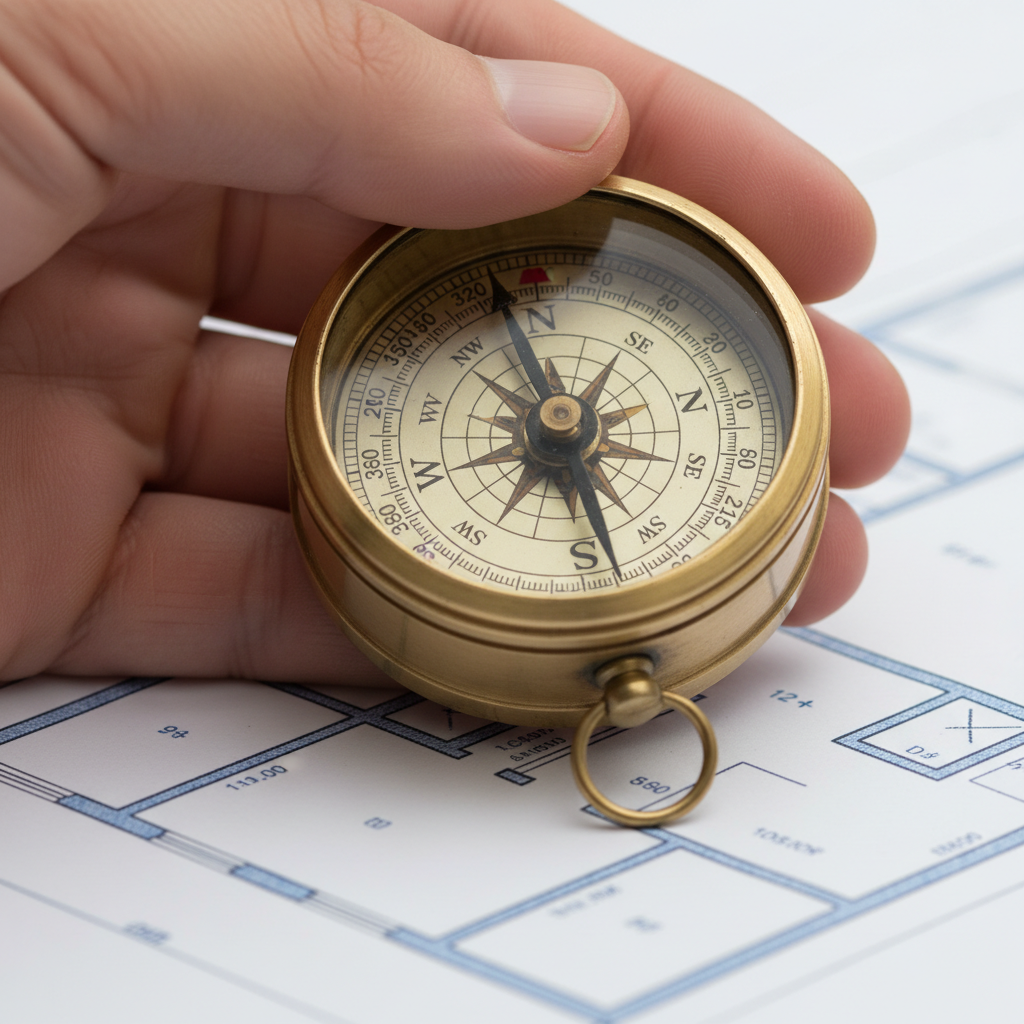
- Compass + sun path: Verify orientation and daytime light; log observations by room.
- Digital plan markup: Annotate zones, utilities, and circulation with color coding.
- Photo/video log: Maintain 2–3 images per room; update after each remedy wave.
- Action register: Track owner, due date, and status; review weekly until stable.
- Muhurat planning: Coordinate starts with our astrology consultation so critical changes begin on strong footing.
For renovation context in Brampton, local remodeling guides such as this overview of renovation planning illustrate how scopes expand when decisions lag. Upfront clarity saves downstream effort.
Pricing factors and scope control (no numbers)
Instead of fixed tiers, we scale scope to your property and goals. You control effort by improving inputs, selecting non-structural remedies first, and staging structural work. This flexible approach keeps the engagement lean while protecting outcome quality.
Below is a practical comparison to help you choose your format and plan your preparation.
| Engagement type | Best for | What’s included | Prep time (client) |
|---|---|---|---|
| Remote review | Condos, townhomes, quick validations | Discovery, plan/photo analysis, remedy roadmap, Q&A | Low–Medium (collect plans + 2–3 photos/room) |
| On-site audit | Detached homes, offices, warehouses | All remote items + compass checks, field notes, verification | Medium (prep access, coordinate stakeholders) |
| Blueprint validation | New builds, renovations | Layout critique, utilities guidance, phasing and muhurat | Medium–High (share drawings, service layouts) |
For buyers exploring layout basics, this high-level Vaastu home design checklist shows how early choices ripple through execution. Use it to sharpen your brief—not as a substitute for proper consultation.

Case studies (anonymized)
Real engagements show how right-sized scope creates wins. By prioritizing non-structural remedies first and scheduling structural decisions with muhurat, clients see faster stabilization and fewer reworks—across homes, offices, and warehouses.
Here are brief snapshots of recent work in the GTA.
Brampton detached home
- Challenge: Disturbed sleep, cluttered circulation, low morning light in key rooms.
- Approach: Remote intake + short on-site verification; kitchen/bedroom function swap avoided; elemental tweaks prioritized.
- Outcome: Noticeable sleep and focus improvements after first implementation wave; second wave scheduled.
Mississauga office suite
- Challenge: Team conflicts, frequent context switching, low meeting throughput.
- Approach: Role-based seating plan by direction; meeting zones rebalanced; circulation cleared.
- Outcome: Smoother collaboration and fewer scheduling collisions reported in the following month.
Vaughan warehouse
- Challenge: Loading inefficiencies, overlapping pedestrian and equipment routes.
- Approach: Staged, zone-by-zone corrections; safety and dispatch steps front-loaded.
- Outcome: Cleaner handoffs and steadier dispatch after phase one; monitoring continues.
If you’re weighing structural work, read our guidance on common Vaastu dosh correction mistakes to avoid costly rework.
How to book and prepare
Booking is simple: share your plans, photos, and goals; choose on-site or remote; and align on timing. Preparation drives value—complete inputs reduce iterations and keep the remedy plan focused on high-impact steps.
Here’s a no-stress prep list that works for homes and offices alike.
- Collect plans: Floor/site plans or dimensioned sketches with north marked.
- Make a photo set: 2–3 clear images per room, plus entries, stairs, and utilities.
- State top goals: Health, focus, relationships, business, finances (3–5 priorities).
- Confirm stakeholders: List who decides what; add preferred times for walkthroughs.
- Consider dates: Ask for muhurat options that align with your calendar.
When you’re ready, book a Vaastu/Fengshui consultation. We’ll acknowledge your materials and confirm next steps.
Free planning help: If you’re still exploring, our Vaastu Energy Score explains how we baseline spaces and track gains over time. It’s a simple way to see progress and keep momentum.
Frequently Asked Questions
These concise answers cover preparation, formats, remedies, and timelines—without discussing prices. For tailored guidance, share your plans and goals so we can right-size the engagement.
How should I prepare for a Vaastu consultation?
Gather floor plans or measured sketches, mark true north, and take 2–3 photos per room. List your top 3–5 goals across health, relationships, focus, business, and finances. Clear inputs reduce iterations and make the remedy roadmap easier to implement.
Do you offer remote Vaastu consultations?
Yes. Remote reviews mirror our on-site process using accurate plans, photos, and video. They’re ideal for condos, townhomes, and quick blueprint validations. On-site audits add compass and field checks for larger homes, offices, and industrial spaces.
Will I need to renovate to see results?
Not necessarily. Many improvements come from non-structural remedies like placements, elemental balance, and room function alignment. When structural changes help, we phase them thoughtfully and can align starts with muhurat to support smoother execution.
What deliverables should I expect?
You’ll receive a diagnosis of imbalances, an ordered remedy plan, and practical guidance for sequencing work. For new builds, we provide blueprint feedback and utility placement suggestions. We also offer optional muhurat support to time key starts.
Conclusion, key takeaways, and next steps
Vaastu consultation cost is driven by scope, format, documentation, and remedy depth—not a one-size-fits-all number. Prepare strong inputs, prioritize non-structural steps, and phase work with muhurat to maximize value and minimize rework.
- Key takeaways:
- Align scope to goals; focused briefs shorten analysis.
- Remote vs. on-site depends on size, complexity, and verification needs.
- Non-structural remedies often unlock early wins; stage structural changes.
- Consistent documentation and a living action tracker sustain momentum.
Next steps:
- Send plans, photos, and a 3–5 goal list.
- Choose on-site or remote format and preferred windows.
- Ask for muhurat guidance to start on strong timing.
- Schedule your session here: Book Vaastu consultation.
Exploring layouts as a homebuyer? Skim this intro to Vaastu in home buying to refine your brief, then return with drawings for tailored advice.