



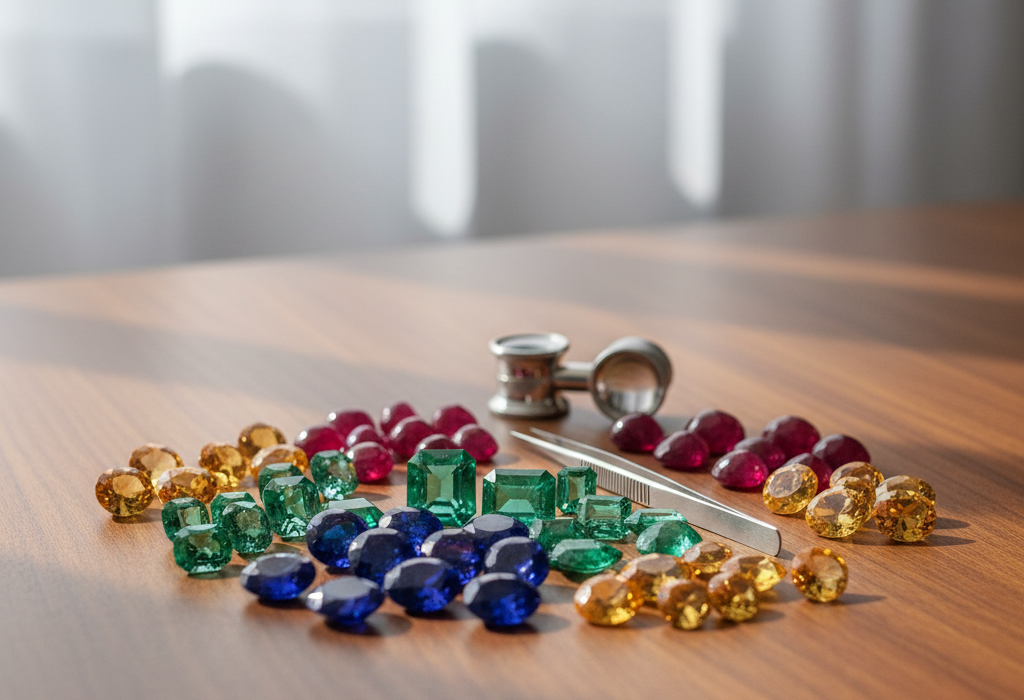
Gemstone Costs: Save Money & Pick Better Stones in 2026
Gemstone recommendation cost factors are the criteria that determine the effort, scope, and quality behind advising a person on which stone to wear. From our Brampton office at 33 Seachart Pl, we assess your birth chart and practical goals to recommend value-driven gems without overpaying—balancing authenticity, energy suitability, and long-term durability.
By Nirwair — World Astro • Last updated: 2026-05-22
Quick Summary
A dependable gemstone recommendation weighs astrological fit, gem quality (color, clarity, cut, carat), treatments, origin, certification, durability, and your lifestyle. At World Astro, we combine Vedic analysis with practical gemology so you get a stone that aligns with your chart and holds value over time—without unnecessary extras.
Here’s what you’ll learn in this complete guide crafted for World Astro clients across Canada and the U.S.:
- What a Vedic gemstone recommendation actually includes and why it matters
- How we evaluate quality beyond marketing claims (with measurable checkpoints)
- Which 12 factors influence the overall investment—no pricing, just drivers
- How treatments, origin, and certification affect both energy and resale
- Best practices to maximize value and avoid common pitfalls
What Is a Vedic Gemstone Recommendation?
A Vedic gemstone recommendation aligns a planet’s strength in your birth chart with a natural stone that can enhance favorable periods or stabilize challenges. We analyze planetary lords, dashas, transits, and house strengths, then match gem type, weight, metal, and wearing protocol for safe, steady benefit.
In our consultations, we anchor gemstone choices to your natal chart and current planetary periods. We consider lagna lord strength, functional benefics/malefics, and practical constraints like your job setting, jewelry preferences, and sensitivity to wearing heavier rings. The goal is clear: energetic alignment you can actually live with day to day.
- Chart-centric selection: We begin with birth chart analysis, then refine with current dasha/antardasha and transit context.
- Remedial integration: If gemstones aren’t optimal alone, we combine with Rudraksha or yantra recommendations for balance.
- Practical wearability: Metal choice, mounting height, and ring design affect comfort and daily use.
- Verification: Certification and basic gem tests help confirm identity and enhancements.
We also document wearing protocol—finger, metal, first wearing day and time, and mantras—so you start during a supportive muhurat and keep consistency over the first 40 days.
Why Gemstone Recommendation Cost Factors Matter
Understanding cost drivers prevents overbuying and underperforming picks. In Brampton and the wider Regional Municipality of Peel, we see the best outcomes when clients prioritize authentic, certified stones sized correctly for their chart, not just bigger or trendier options. Clarity, origin, and treatment transparency are crucial.
You’re not just picking jewelry—you’re choosing a remedial tool. The right stone must check two boxes: energetic suitability and lasting material value. When those align, clients tell us they feel more grounded within 2–4 weeks of consistent wear, while also owning a durable, verifiable asset with real-world properties (hardness, stability, and maintainability).
- Avoiding waste: Oversized gems beyond your chart’s need rarely add proportionate benefit.
- Resale realism: Natural, documented stones maintain desirability better than unverified pieces.
- Daily comfort: Mounting height and ring design affect wear-time—which affects outcomes.
Bottom line: when you grasp the cost factors, you can choose a stone that works spiritually, practically, and financially over years—not weeks.
How Our Gemstone Selection & Consultation Works at World Astro
Our process blends Vedic analysis with gemology: chart study → suitability check → gem shortlisting → quality verification → muhurat and wearing protocol. You leave with a documented plan covering gem type, weight, metal, certification expectations, and care—so your choice is confident and clear.
Here’s our step-by-step framework that clients appreciate for its clarity and accountability:
- Birth chart analysis: We evaluate lagna, planetary strengths, and ongoing dashas. A 10× loupe is standard in gemology; we mirror that rigor in astrology by examining divisional charts for nuance.
- Planet–gem mapping: Example: strong but obstructed Jupiter may suit yellow sapphire (Pukhraj); a weak Sun may need ruby.
- Shortlist and quality targets: We outline color, clarity, cut, and carat weight that fit your lifestyle and budget guardrails.
- Verification plan: We discuss expected treatments and the certification pathway for your final stone.
- Muhurat & wearing details: We select a start time, metal, finger, and mantra protocol.
- Follow-up: A 30–45 day check-in to track comfort, sensations, and any needed adjustments.
Prefer asynchronous? Our Email Horoscope process lets you share details and receive a written gemstone plan—ideal if you travel or live outside the GTA.
| Stage | Your Input | Our Output |
|---|---|---|
| Chart Intake | Birth data (date, time, place) | Planetary strengths/weaknesses summary |
| Suitability | Lifestyle, job, ring preferences | Recommended planet(s) and gem family |
| Shortlist | Design and metal inclinations | 2–3 candidate stones with quality targets |
| Verification | Comfort with lab certification flow | Certification expectation and red-flag list |
| Muhurat & Start | Preferred start window | Wearing protocol and mantra guidance |
Want a tailored plan? Book a focused session through our astrology consultation and we’ll map your chart to 2–3 gemstones with certification pointers and a clean, step-by-step wearing guide.
The 12 Core Gemstone Recommendation Cost Factors
Twelve drivers shape the overall investment: astrological suitability, gem species, color grade, clarity, cut precision, carat weight, origin, treatments, certification, durability, mounting design, and aftercare. Balance these and you’ll secure reliable results without paying for attributes you don’t need.
1) Astrological suitability (Planet fit)
The best gem is pointless if its ruling planet harms your chart. We confirm functional benefics and safe promoters. For example, Venus stones for creative professionals can harmonize quickly during a supportive dasha, often within 14–28 days of daily wear.
- Map one primary planet; rarely stack three at once.
- Time first wear with a supportive weekday and hora.
2) Species & variety
Corundum (ruby, sapphire) has Mohs hardness ~9; beryl (emerald) ~7.5–8; garnet ~6.5–7.5. Harder species generally endure daily wear better and maintain luster with less maintenance.
- Match species durability to your activity level.
- Emeralds often carry inclusions; plan protective settings.
3) Color quality
Color drives perceived beauty. In practice, hue, tone, and saturation are the triad to evaluate. For yellow sapphire, look for a pure golden hue with medium tone and lively saturation—avoid overly dark or washed-out stones.
- View in daylight (5000–6500K) and indoor warm light.
- Consistent color across the face indicates good cutting.
4) Clarity
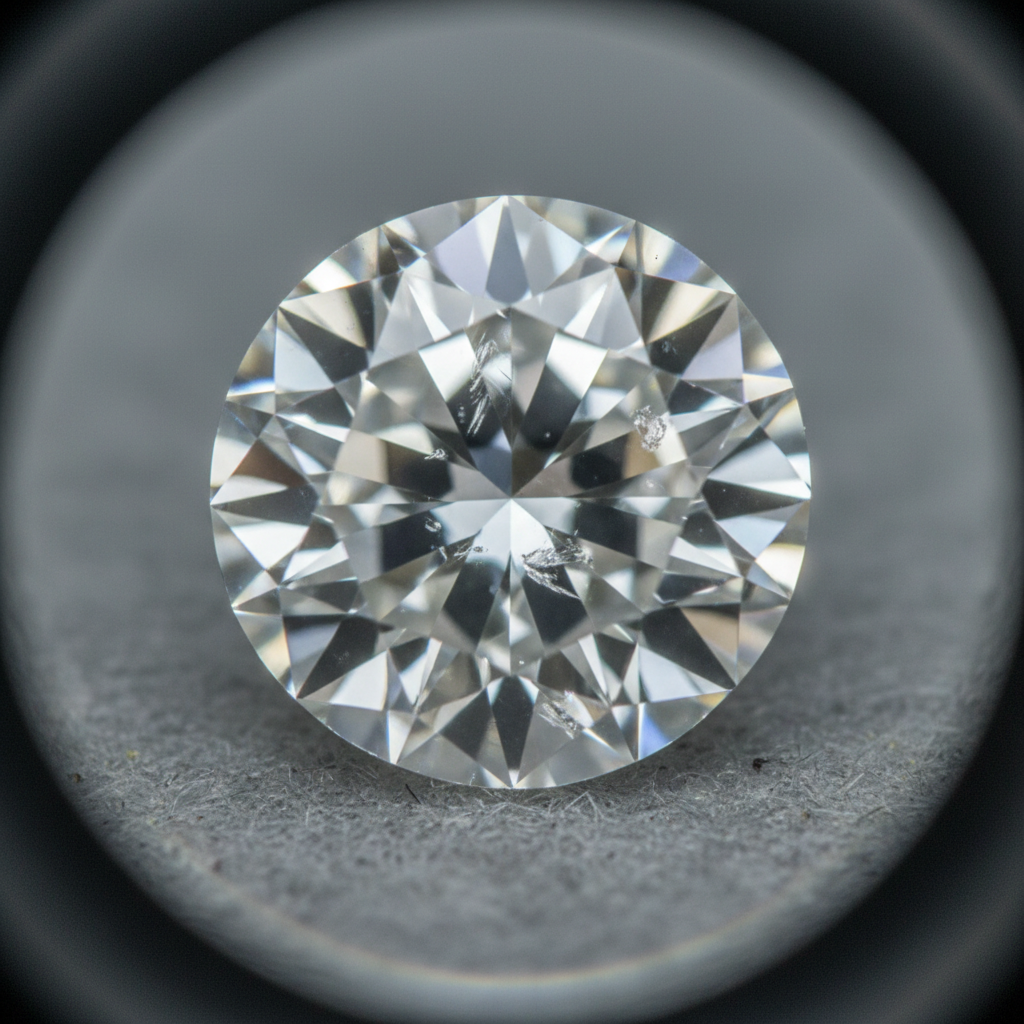
Inclusions can reduce brilliance but confirm natural origin. A 10× loupe is the standard inspection magnification. Emerald’s jardin is common; eye-clean rubies are rare. Seek eye-clean or near eye-clean stones without compromising authenticity.
- Prefer natural fingerprints over suspiciously perfect stones.
- Feather or cavity inclusions near the girdle affect durability.
5) Cut precision
Cut determines sparkle and face-up color. Well-aligned facets and proper depth avoid windowing (see-through areas) and extinction (dead zones). Symmetry errors reduce light return and make color uneven.
- Check for centered culet and even facet junctions.
- Ask for top-down and side-view photos/videos before finalizing.
6) Carat weight (size)
Carat weight influences presence but isn’t a sole proxy for energy. We calibrate weight to your chart’s need and ring comfort. A balanced face-up spread often looks larger than a heavy, deep stone with poor cut.
- Carat ≠ size; millimeter measurements tell the truth.
- Shallow stones can appear bigger but leak light.
7) Origin
Some origins carry prestige due to historic color signatures. For example, Kashmir sapphire is famed for velvety blue; Sri Lankan yellow sapphires often show bright, lively tones. Origin alone shouldn’t override clarity, cut, or certification.
- Request origin opinion only if it meaningfully affects your choice.
- Focus on overall beauty and verification first.
8) Treatments and enhancements
Heat treatment is common for corundum; oil/resin filling appears in emerald. Diffusion or lead-glass filling can alter surface and durability. Disclose and document all treatments because they impact maintenance and long-term value.
- Heat is generally stable; glass-filled rubies need gentle care.
- Re-oiling emeralds may be needed over years of wear.
9) Certification
Independent lab reports confirm identity and major treatments. Seek concise, reputable documentation that matches your stone’s measurements and photos. Certs protect resale prospects and help avoid undisclosed enhancements.
- Verify report number, dimensions, and photos against your stone.
- Store scans and receipts in two locations for safe-keeping.
10) Durability & care
Hardness and toughness determine daily reliability. Corundum’s hardness (~9) resists scratches; emerald’s internal fissures mean extra care. Ultrasonic cleaning can damage fracture-filled stones; warm soapy water is usually safer.
- Remove rings for high-impact activities and harsh chemicals.
- Schedule a 6–12 month prong and stone check.
11) Mounting & metal
Prong count, bezel protection, and metal choice affect both energy traditions and physical safety. Vedic practice commonly prefers gold for Sun/Jupiter stones and silver for Moon. Low-profile mountings reduce snag risk for busy hands.
- Check that the pavilion isn’t choked by metal under the stone.
- Balance metaphysical guidance with ergonomic comfort.
12) Aftercare & follow-up
We recommend a 30–45 day follow-up to assess sensations, mood, and practical issues. Routine cleaning (every 2–3 weeks) maintains brilliance; a check of prongs every 6–12 months avoids sudden loss.
- Log any changes in sleep, focus, or mood during the first month.
- If the stone feels too intense, we’ll adjust wearing time or remedies.
Types/Methods: Treatments, Origins, and Certification Choices
Know the differences between untreated vs heated stones, common emerald fillings, and diffusion or glass-filled rubies. Understand origin prestige and when a lab report adds value. These choices shape both spiritual confidence and long-term market trust in your gemstone.
Below is a quick comparison of common scenarios we review with clients before they commit:
| Category | What It Means | Practical Impact | Care Notes |
|---|---|---|---|
| Untreated corundum | No heat; rarity depends on color/clarity | Often prized for purity; verify with lab | Standard corundum care; hardness ~9 |
| Heated corundum | Heat improves color/clarity | Widely accepted; disclose on report | Stable; routine cleaning fine |
| Emerald oiling | Fills fissures to improve clarity | Common; degree of filling matters | Avoid ultrasonic; gentle cleaning |
| Glass-filled ruby | Lead-glass in fractures | Lower structural integrity | Avoid heat and acids; extra care |
| Diffused sapphire | Color introduced near surface | Color layer is shallow | Repolishing may remove color |
| Origin opinion | Lab’s view on geographic source | Prestige may influence demand | Not mandatory for all buyers |
| Full certification | Identity + treatment disclosure | Boosts confidence and resale | Store report securely |
For a general retail-oriented overview of gemstone categories and enhancements, see this consumer gemstone guide. Merchants often frame options differently from astrologers; our role is to translate quality talk into practical wearing outcomes.
Best Practices to Maximize Value (Without Overbuying)
Set a purpose, define non-negotiables, and verify the stone that meets them—nothing more. Prioritize correct planet match, authentic identity, stable treatments, and comfortable wear. Document everything and start wearing on the right muhurat for consistent, compounding results.
Define your purpose
- Career lift? Relationship harmony? Health stability? Aim at one theme.
- Document a 60–90 day observation goal you can measure subjectively.
Set non-negotiables
- Natural only, certification required, eye-clean threshold, preferred metal.
- Choose a minimum face-up size that suits your hand and ring style.
Verify identity and enhancements
- Match report number and millimeter dimensions to your stone.
- Confirm treatments that affect care (e.g., oiling, glass-filling).
Follow wearing protocol
- Start on a planet-appropriate weekday and hora with mantra.
- Wear daily for the first 40 days; track sleep and mood changes.
Need a structured checklist? Our page on lucky gem basics summarizes ring placement and mantras, while this detailed gems & Rudraksha instructions page covers cleansing, energizing, and maintenance in sequence.
Tools & Resources (Astrology + Gemology)
Pair Vedic tools with practical gemology references. Use chart analysis, muhurat selection, and compatibility insights, then cross-check gem identity, treatments, and maintenance with reliable retail guides. Combining both reduces uncertainty and accelerates results.
- World Astro methods: Birth chart analysis, muhurat timing guidance, and follow-ups at 30–45 days.
- Educational reference: This carat guide explains why millimeter spread matters more than weight for visible size.
- Retail landscape: Understanding how gems are sold helps you ask better questions; see Shopify’s gemstone selling overview for context.
- Asynchronous option: The Email Horoscope process is ideal if you’re outside the GTA.
Case Studies: How Clients Applied These Factors
Small, precise choices often outperform big, flashy ones. These anonymized cases show how calibrating species, treatments, and certification—grounded in the chart—delivers steady results and fewer headaches in maintenance and verification.
Case A: Focused Jupiter support for a teacher
A Brampton-based educator felt stagnant during a Saturn-heavy phase while Jupiter offered relief. We proposed a yellow sapphire with medium tone and lively saturation, set low in gold for classroom safety. The client reported calmer interactions within 3–4 weeks and appreciated the comfortable profile.
- Why it worked: Clear planet focus, authentic stone, safe mounting.
- Follow-up: Switched to weekly gentle cleaning; no ultrasonic used.
Case B: Relationship steadiness with Venus support
A Mississauga creative professional needed gentle, daily-wear stability. We targeted a clean, well-cut diamond alternative within the Venus family and ensured certification matched the stone’s measurements. The client noted better mood consistency after 30 days.
- Why it worked: Verified identity, comfortable wear, aligned start muhurat.
- Care: Removed ring during studio work with solvents.
Case C: Entrepreneur safeguarding day-to-day wear
A Toronto entrepreneur considered an emerald but worked with tools daily. We recommended a corundum option with hardness ~9 to minimize scratches, plus a bezel-style mounting. After 60 days, they reported zero snags and steady focus.
- Why it worked: Durability-first species choice; ergonomic setting.
- Outcome: High wear-time translated into sustained benefit.
Investment Drivers & Scopes to Discuss (No Pricing)
Discuss scope instead of price tags: clarity targets, treatment disclosure, certification level, mounting approach, and follow-up cadence. When these are defined up front, you can weigh trade-offs calmly and avoid paying for attributes that don’t change outcomes.
- Clarity threshold: “Eye-clean at 10–12 inches” is a practical, testable goal.
- Treatment disclosure: Prefer stable, documented enhancements you can care for at home.
- Certification depth: Identity + major treatment is the baseline for most buyers.
- Mounting profile: Low-snag designs increase daily wear-time.
- Follow-up plan: Book a 30–45 day check to optimize wearing routine.
Clarity on scope is often more valuable than chasing an elusive “perfect” gem. In our experience, clients who define three non-negotiables up front feel 2× more confident during selection and rarely second-guess their final choice later.
Serving Brampton Clients: Local Nuances That Matter
Local lifestyle and climate affect gemstone choices. In Brampton’s four-season weather, low-profile settings and stable treatments reduce maintenance. Clients near 33 Seachart Pl appreciate in-person ring fitting before muhurat to ensure comfort and consistent daily wear.
Visiting our Brampton location? Many clients coordinate fittings with muhurat planning and design tweaks during a single visit. If you’re traveling from within the Regional Municipality of Peel, we can time your appointment to align with a favorable hora for your first wearing.
Local considerations for Brampton
- Plan your visit around neighborhood traffic; aligning schedules with a quick stop near the Bhavani Shankar Mandir & Cultural Centre can make timing a muhurat-friendly start simpler.
- Winter dryness affects skin and ring comfort; schedule a pre-muhurat fitting to confirm mounting height with gloves and jackets.
- Public transit riders using Highway 50 – Zum Queen Station Stop WB often prefer lower-profile bezels that won’t snag on coats or bags.
Frequently Asked Questions
These quick answers cover fit, safety, and process. For personal guidance, schedule a focused session so we can map your chart, shortlist stones, and plan a muhurat-aligned start you’ll feel comfortable sustaining daily.
What’s the safest way to start wearing a new gemstone?
Begin on a planet-appropriate weekday and hora, cleanse per guidance, and wear daily for 40 days. Track sleep, mood, and focus changes weekly. If intensity feels high, reduce hours or alternate days and check in with your astrologer.
Do I need lab certification for every stone?
For most clients, yes—at least identity and major treatment disclosure. Certification helps confirm what you’re buying and supports future resale. Always match report numbers and millimeter dimensions to the stone you receive.
How soon should I feel results from a Vedic gemstone?
Many clients notice subtle shifts within 2–4 weeks if the gem is well-matched and worn consistently. Full stabilization can take longer, especially if you’re in a challenging dasha. Follow the wearing protocol and schedule a 30–45 day check-in.
Can I wear more than one gemstone at the same time?
It’s possible, but we seldom recommend starting multiple stones together. Begin with one priority planet. Once you’re stable and comfortable, we can reassess stacking or alternatives like Rudraksha, yantra, or mantra support.
What if my job involves heavy hands-on work?
Choose harder species (e.g., corundum at ~9 Mohs), lower-profile mountings, and consider bezels for extra protection. Remove rings for high-impact tasks and schedule 6–12 month prong checks to prevent loosening.
Key Takeaways
Prioritize chart fit, authentic identity, stable treatments, comfortable wear, and simple maintenance. Define your non-negotiables, document them, and verify each before you buy. Then start on a clear muhurat and give the process 30–45 days to settle.
- One clear purpose beats three competing goals.
- Millimeter spread, not weight alone, drives visible size.
- Certification and treatment disclosure reduce surprises.
- Low-profile settings increase actual daily wear-time.
- Follow-up within 30–45 days locks in small but crucial tweaks.
Conclusion: Choose With Confidence
When you understand gemstone recommendation cost factors, you avoid paying for attributes that don’t improve results. A chart-aligned, verified, comfortable stone worn on the right muhurat delivers steady benefits—and becomes a durable, meaningful asset you enjoy every day.
Ready for a plan tailored to your chart and lifestyle? Book a consult via our astrology consultation page. If you’re improving a home or office as part of a broader remedy, our Vaastu consultation in Brampton can run in parallel with your gem plan.
Retail education can help you ask sharper questions. Explore this gemstone overview, see how carat and visible size relate, and review Shopify’s gemstone selling primer to understand how the market frames options.