



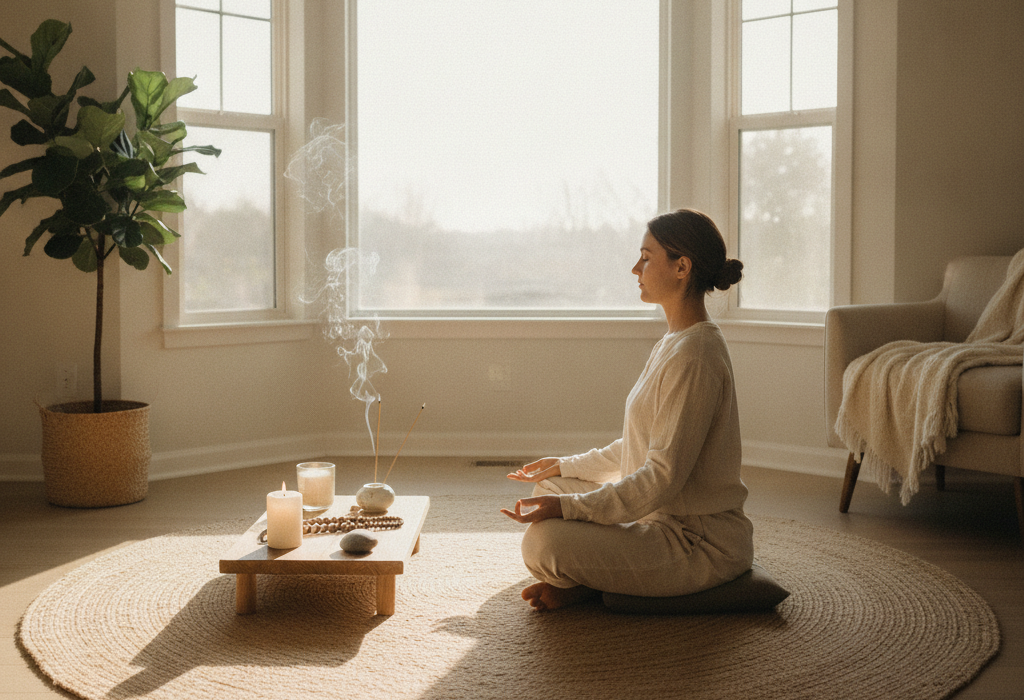
Daily Mantras: Lift Your Mood and Stay Positive 2026
Mantra recommendations for positivity are personalized sound formulas that focus your mind and steady your breath to lift mood and build resilience. Practiced 5–15 minutes daily, they redirect attention, reduce rumination, and create a calmer baseline. In Brampton, World Astro pairs mantras with Vaastu and practical remedies so your routine actually sticks.
By Nirwair — World Astro
Last updated: June 26, 2026
At a Glance
Positivity mantras work by synchronizing breath, sound, and attention to reduce mental noise and elevate mood. A short, daily practice (5–15 minutes) builds consistency, while personalized selection ensures relevance. World Astro aligns mantras with your chart, home energy, and schedule to make benefits both noticeable and sustainable.
Use this quick overview to navigate the complete guide.
- What you’ll learn: how mantras shift mindset, 21 options for common goals, and a 15-minute routine you can keep.
- Why it matters: consistent practice reduces stress load, sharpens focus, and supports emotional balance.
- Local angle: Brampton-friendly tips, commute micro-practices, and Vaastu alignment for apartments and townhomes.
- How we help: see our mantra selection guide and personalized consults.
What Are “Mantra Recommendations for Positivity”?
Mantra recommendations for positivity are expert-selected phrases (often Sanskrit) tailored to your goals and schedule. Repeating a chosen mantra (japa) for set counts, commonly 108 or time-boxed 5–15 minutes, anchors attention and eases anxiety. Personalized selection increases relevance, consistency, and measurable mood lift.
In plain terms, a mantra is a sound pattern designed to focus the mind. When chosen well—and practiced regularly—it becomes a reliable “reset” for thought loops, overwhelm, and low mood. At World Astro, selection isn’t random: we consider your birth chart, current planetary periods, and home/office Vaastu so your practice fits your life.
Core elements of an effective positivity mantra plan
- Clear intention: state the emotional state you want (e.g., calm focus, hopeful outlook).
- Right mantra: match sound to purpose—seed (bija), planetary (graha), or devotional (deity/focused virtue).
- Set count/time: classic 108 repetitions, or 5–15 minute blocks to start.
- Breath sync: even 4–6 second inhales/exhales steady your nervous system.
- Consistency: daily at the same time, plus 1–2 micro‑sessions (60–120 seconds) during the day.
When clients hear “positivity,” they sometimes picture forced cheer. That’s not the goal. The goal is steadiness: fewer spikes of negativity and more time in a balanced, resourceful state. That’s what gets projects finished, repairs relationships, and supports better decisions.
Why Positivity Mantras Matter Now
Positivity mantras reduce mental clutter quickly, making them ideal for busy schedules. Short sessions (as brief as two minutes) interrupt spirals and restore focus. In our experience, daily practice outperforms occasional long sessions because consistency trains your attention to reset on demand.
Life moves fast. Notifications, deadlines, and worries flood attention. A compact mantra ritual is realistic: two minutes before a call, five minutes after lunch, or 108 counts before bed. These micro‑wins add up and make optimism a trained response, not a mood swing.
- Attention training: each repetition returns focus—this is mental “reps” you can feel within days.
- Breath regulation: even pacing lowers tension; many clients notice slower heart rate within minutes.
- State shift on cue: using the same phrase daily builds a reliable anchor for calm and confidence.
Public interest in simple mind‑body tools has surged. YouTube Trends reported tens of millions of views for guided meditation content, reflecting demand for bite‑sized practices. Habit streaks matter too; YouTube Trends documented 30‑day challenge spikes that mirror the power of daily repetition.
How Mantras Work: Sound, Breath, and Attention
Mantras work by giving your mind a precise “job”: a sound repeated with steady breath and relaxed posture. This triad reduces intrusive thoughts, eases muscle tension, and improves mood. Over weeks, repetition strengthens neural pathways for calm re‑engagement after stress.
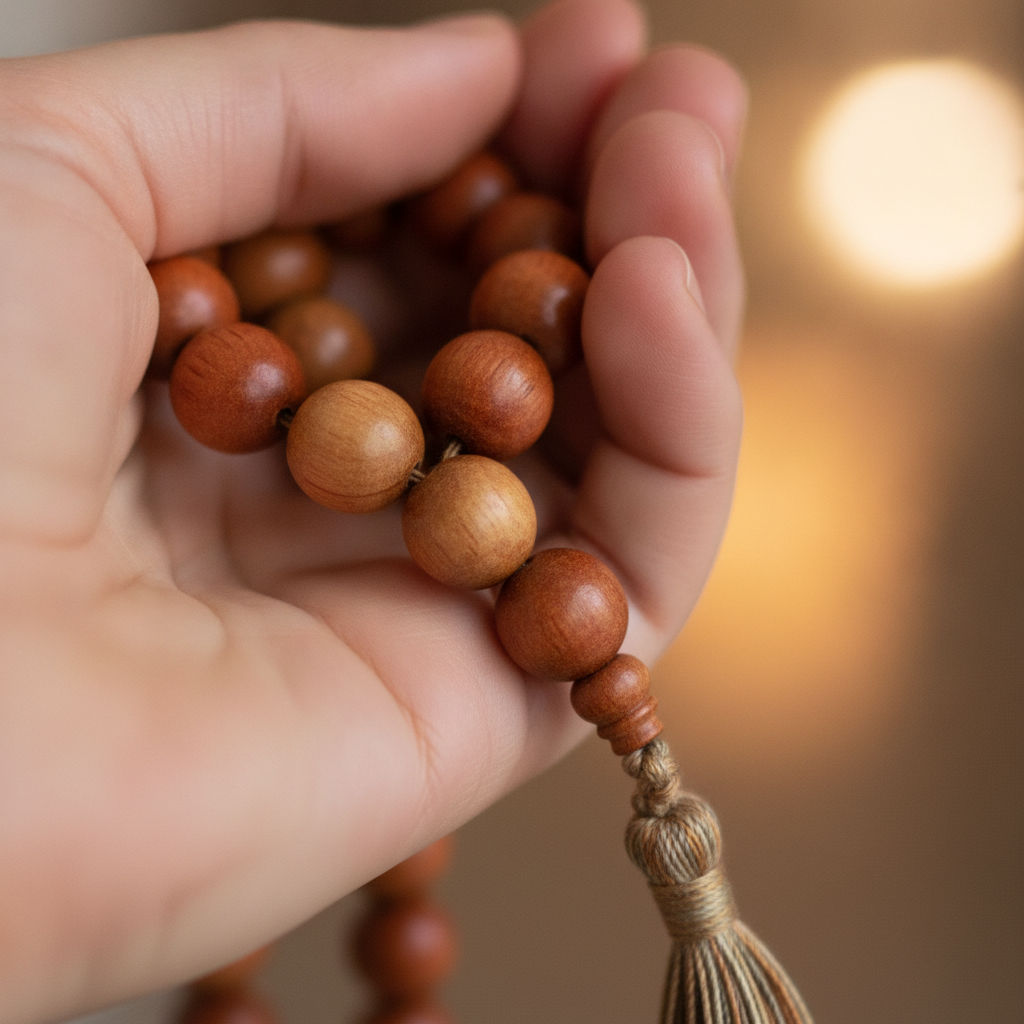
Here’s the practical mechanism we coach in session and by email: choose a phrase, match each syllable to even breaths, and keep your spine tall with shoulders relaxed. Use a mala if you like the tactile cue; 108 beads turn practice into a clear start‑to‑finish loop that rewards completion.
Why the details matter
- Sound shape: seed sounds like “Shreem” or “Hreem” carry compact vibratory patterns that focus quickly.
- Breath pacing: a 4–6 second inhale/exhale pair keeps CO₂/O₂ balanced, preventing dizziness and restlessness.
- Posture: neutral spine optimizes breath depth; slouching compresses the diaphragm and shortens attention span.
- Tactile loop: each bead marks progress; completing 108 gives your brain a satisfying “done” signal.
We also watch for friction points: noisy rooms, irregular sleep, or cluttered entryways that spike stress each morning. That’s where Vaastu tweaks—placement of a seat, lamp, or yantra—remove obstacles so you actually enjoy practice.
Types and Approaches: 21 Mantras for Common Positivity Goals
Start with a small set of mantras matched to specific outcomes—calm, courage, clarity, and gratitude. Practice one primary mantra daily and keep 1–2 backups for tough moments. This keeps choice simple, builds momentum, and ensures each phrase earns a job in your routine.
Below are 21 field‑tested options we often discuss in consults. Use one for 21–40 days, log shifts in mood/sleep/focus, then refine with us if needed.
For calm and emotional balance
- Om Shanti Shanti Shanti — invokes peace; 108 counts before sleep.
- So Hum — “I am that”; breathe in “So,” out “Hum” for 5–10 minutes.
- Om Namah Shivaya — steadies mind; mornings or post‑work decompression.
For confidence and forward motion
- Om Gam Ganapataye Namaha — clears obstacles; excellent pre‑meeting reset.
- Om Dum Durgayei Namaha — courage under pressure; 54 counts mid‑day.
- Ram (seed) — warms willpower; fast 2‑minute micro‑bursts.
For mental clarity and study
- Gayatri Mantra — illuminates intellect; sunrise practice recommended.
- Om Aim Saraswatyai Namah — learning focus; 9–27 minutes in exam periods.
- Om Hreem — seed for insight; pair with journaling.
For gratitude and positive relationships
- Lokah Samastah Sukhino Bhavantu — goodwill for all; closes team huddles beautifully.
- Om Namo Bhagavate Vasudevaya — devotion softens reactivity; evenings.
- Om Kleem — harmonizing seed; use with care and clear intention.
For prosperity mindset and steadiness
- Om Shreem Mahalakshmyai Namaha — cultivate sufficiency; Fridays work well.
- Om Hreem Shreem — balance clarity with abundance; 108 counts weekly.
- “Thank you, now.” (English) — simple gratitude cue on the exhale.
Gentle English options (great for beginners and families)
- “I return to calm.”
- “Steady breath, steady mind.”
- “One good step now.””
If you’re unsure where to begin, our short mantra selection walkthrough and the service page for personalized mantra recommendations will help you narrow the choices without overwhelm.
Best Practices: A 15‑Minute Daily Routine You’ll Keep
Anchor practice to existing habits: wake‑up, commute, lunch, or bedtime. Use one primary mantra for 10 minutes and a 2–3 minute micro‑session later. Track results in a notebook. This pairing of anchor + repetition + reflection is what sustains momentum.
Here’s a practical template you can copy today.
| Step | What to do | Time | Why it matters |
|---|---|---|---|
| 1. Setup | Sit tall, set a 10‑minute timer, choose your mantra. | 1 min | Removes decision fatigue and starts on time. |
| 2. Breath | 4–6 second inhale, 4–6 second exhale, shoulders relaxed. | 1–2 min | Stabilizes physiology so sound can focus the mind. |
| 3. Japa | Repeat your mantra; use a mala or finger counts. | 10 min | Builds the “reset on cue” skill you’ll use all day. |
| 4. Reflect | Write three words about your state (e.g., “calmer, clearer, lighter”). | 1 min | Reinforces learning and makes progress visible. |
| 5. Micro‑session | Later, do 60–120 seconds of your mantra before a task. | 2 min | Maintains the uplift; prevents afternoon dips. |

Local considerations for Brampton
- Use quiet morning windows on weekends; if you live near Bhavani Shankar Mandir, let the temple’s early calm cue your sunrise practice.
- Winter routines stick better indoors: pick one seat, one lamp, and one mantra for the season so you avoid decision fatigue.
- Commute micro‑practice: while waiting at Highway 50 – Zum Queen Station Stop WB, breathe evenly and repeat a soft English mantra under your breath.
Tip: Pair practice with a steady home layout. Small Vaastu shifts—clear entryway, uncluttered northeast corner, gentle lighting—reduce friction so you show up without willpower battles.
Tools and Resources from World Astro
World Astro integrates mantra selection with astrology, Vaastu, and remedies. You get a personalized phrase, home layout tips, and supportive tools like yantras, gemstones, and pooja guidance—so your routine is reinforced from multiple angles and adapts as your life shifts.
Our clients do best when practice isn’t isolated. We layer simple supports around your mantra so the environment—and your calendar—work for you, not against you.
- Personalized mantra guidance: start with our selection walkthrough, then book custom recommendations.
- Yantra placement: align focus with the right symbol at home; see which yantra fits your home.
- Gemstone support: when relevant to your chart, add one steady cue; here’s how to choose a lucky gemstone.
- Pooja routines: light, fragrance, and sequence matter; explore pooja recommendations for rhythm.
- Vaastu alignment: if home energy is jangly, review our Vaastu consultation steps and fix hotspots before they sabotage habit.
- Timing support: match practice to favorable windows with astrology consultation as needed.
Soft CTA: If you’d like a routine built around your exact goals, book a brief consult. We’ll set one mantra for mornings, one micro‑cue for work, and one environmental tweak so your results compound week after week.
Case Studies and Practical Examples
Small, specific tweaks drive results: one primary mantra, one micro‑session, and one Vaastu fix per month. Across our Brampton clients, the simplest routines stick longest and correlate with clearer focus, steadier mood, and fewer evening energy dips.
Brampton professional: task overwhelm to steady output
- Profile: mid‑career project manager, frequent context‑switching.
- Plan: “Om Gam Ganapataye Namaha” mornings (108 counts), “I return to calm” before tough emails (90 seconds), uncluttered desk northeast.
- Outcome (6 weeks): fewer restart delays, steadier afternoon pacing, a visible drop in task‑switch anxiety.
Student in exam block: clarity without burnout
- Profile: university student commuting from Brampton.
- Plan: Gayatri at sunrise (10 minutes), “So Hum” micro‑practice on bus platform, study corner yantra for focus.
- Outcome (4 weeks): better memory recall, steadier sleep timing, less doom‑scrolling at night.
Family routine: shared gratitude practice
- Profile: two parents, one school‑age child.
- Plan: “Lokah Samastah Sukhino Bhavantu” before dinner (27 counts), Friday “Om Shreem” session, weekend temple visit as inspiration.
- Outcome (8 weeks): calmer mealtimes, easier homework starts, more cooperative moods on Mondays.
Community inspiration helps too; coverage of stillness and inner transformation during major observances was recently highlighted by a wellness report, reminding us that shared rhythm reinforces personal practice.
Common Challenges and Simple Fixes
If you skip days, shrink the goal—two minutes counts. If your space is noisy, use headphones and a soft background track. If you get drowsy, sit upright and shorten exhale slightly. Small adjustments keep practice friction‑free.
What usually derails a new routine
- Overcomplication: too many mantras at once. Use one primary for a month.
- Unclear cue: no anchor habit. Tie practice to wake‑up or bedtime.
- Messy environment: clutter spikes stress. Clear a small corner; add warm light.
- Perfectionism: “I missed a day, I failed.” No—resume with a single breath.
We encourage streaks, but flexible ones. Missed your morning? Do 60–90 seconds before your next task. Habit momentum thrives on quick wins, not punishment.
Positivity Mantra Recommendations: Quick Checklist
Choose one goal, one mantra, and one anchor time. Set a 10‑minute timer, breathe evenly, repeat the phrase, and log three words about your state. Add one 60–120 second micro‑session later. Review weekly and adjust with a coach if needed.
- Goal: calm, courage, clarity, gratitude, or steadiness.
- Primary mantra: from the 21 options above (or personalize with us).
- Anchor: wake‑up, commute wait, lunch, or bedtime.
- Timer: start with 10 minutes; scale to 15 if it feels natural.
- Log: track state in 3 words; look for trend lines each week.
- Support: consider a yantra, gemstone, or simple pooja to reinforce rhythm.
Frequently Asked Questions
Start with a single, relevant mantra and a daily 10‑minute practice. Keep a backup, two‑minute micro‑session for tough moments. Track how you feel, then refine after 21–40 days. Personalized selection improves results and reduces decision fatigue.
How do I choose the right mantra for positivity?
Pick one clear goal (calm, courage, clarity, or gratitude). Match a mantra to that goal and commit for 21–40 days. If you’re unsure, use a neutral option like “So Hum” or “Om Shanti.” For tailored help, book personalized recommendations so your phrase aligns with your chart and routine.
How many repetitions should I do each day?
The classic loop is 108 counts with a mala, but time‑boxing works too. Start with 10 minutes daily plus a 60–120 second micro‑session before a key task. Consistency beats volume—maintain a daily streak rather than pushing long, irregular sessions.
Can I use English phrases, or do I need Sanskrit?
Both work. Sanskrit seed sounds focus quickly; English phrases feel natural and are easy to use in public. Choose what you’ll actually repeat. Many clients pair one Sanskrit mantra for morning practice with a short English line for on‑the‑go resets.
How soon will I feel more positive?
Some people notice calmer tone within the first week, especially with daily 10‑minute sessions. Deeper steadiness builds over 3–6 weeks as the routine becomes automatic. Keep notes on sleep, focus, and mood to see progress you might otherwise miss.
What supports can I add if practice keeps slipping?
Simplify and stack: one seat, one lamp, one mantra. Add a yantra at your practice spot, wear a supportive gemstone if advised, and time your session to a reliable anchor like wake‑up. If needed, we’ll realign your home layout using Vaastu basics so it’s easier to show up.
Conclusion and Next Steps
A simple, personalized mantra routine—anchored to your day and supported by environment—creates steady, repeatable positivity. Start small, track results, and adjust after a few weeks. With guidance, your practice becomes a dependable reset you can call on anytime.
- Key takeaways: one goal, one mantra, one anchor; short micro‑sessions maintain gains.
- Environment matters: subtle Vaastu fixes stop friction from derailing habits.
- Personalization wins: align mantras with your chart and current planetary periods.
Ready to build a durable positivity ritual? Book a discovery session in Brampton and we’ll design a 15‑minute plan that fits your life—plus simple supports so it lasts through busy seasons.
Further context: broad public interest in consistent, bite‑sized practices has risen, as shown in guided meditation trends and 30‑day habit streaks. If home energy feels heavy or scattered, start with our Vaastu basics—addressing “vaastu dosh signs in home” early prevents habit friction later.