



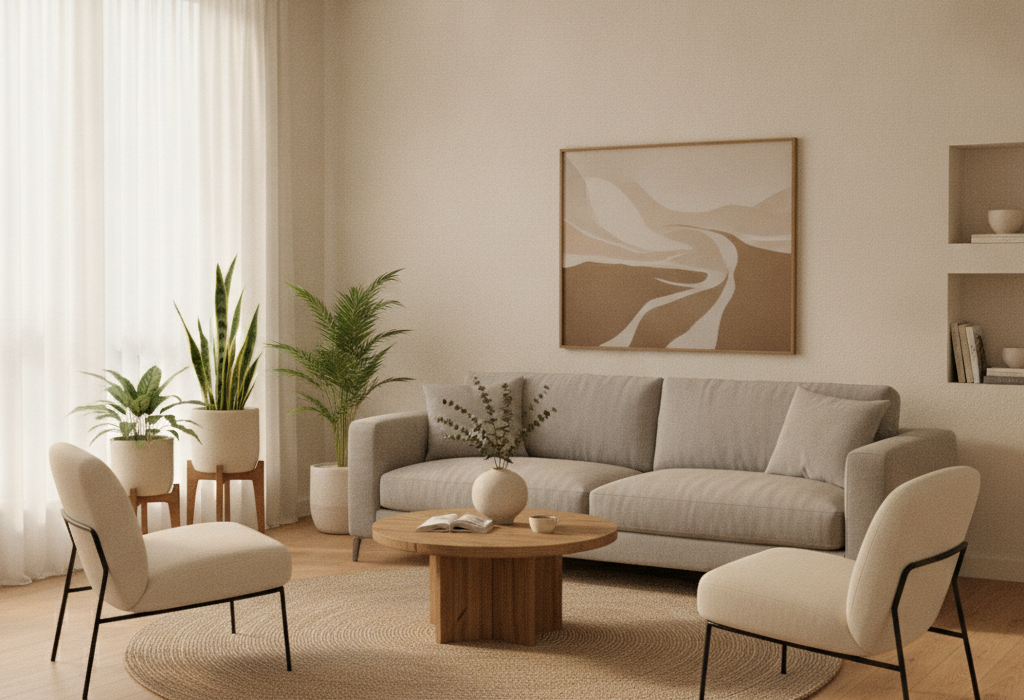
Vaastu Tips for Rented Homes: Avoid Bad Energy in 2026
Vaastu tips for rented homes are renter-safe adjustments that align room use, furniture placement, and daily habits with directional energy. In Brampton, these simple shifts—like orienting your bed, decluttering key corners, and using plants or metals—can reduce stress within 2–3 weeks and support steadier sleep, focus, and harmony.
By Nirwair • Last updated: June 27, 2026
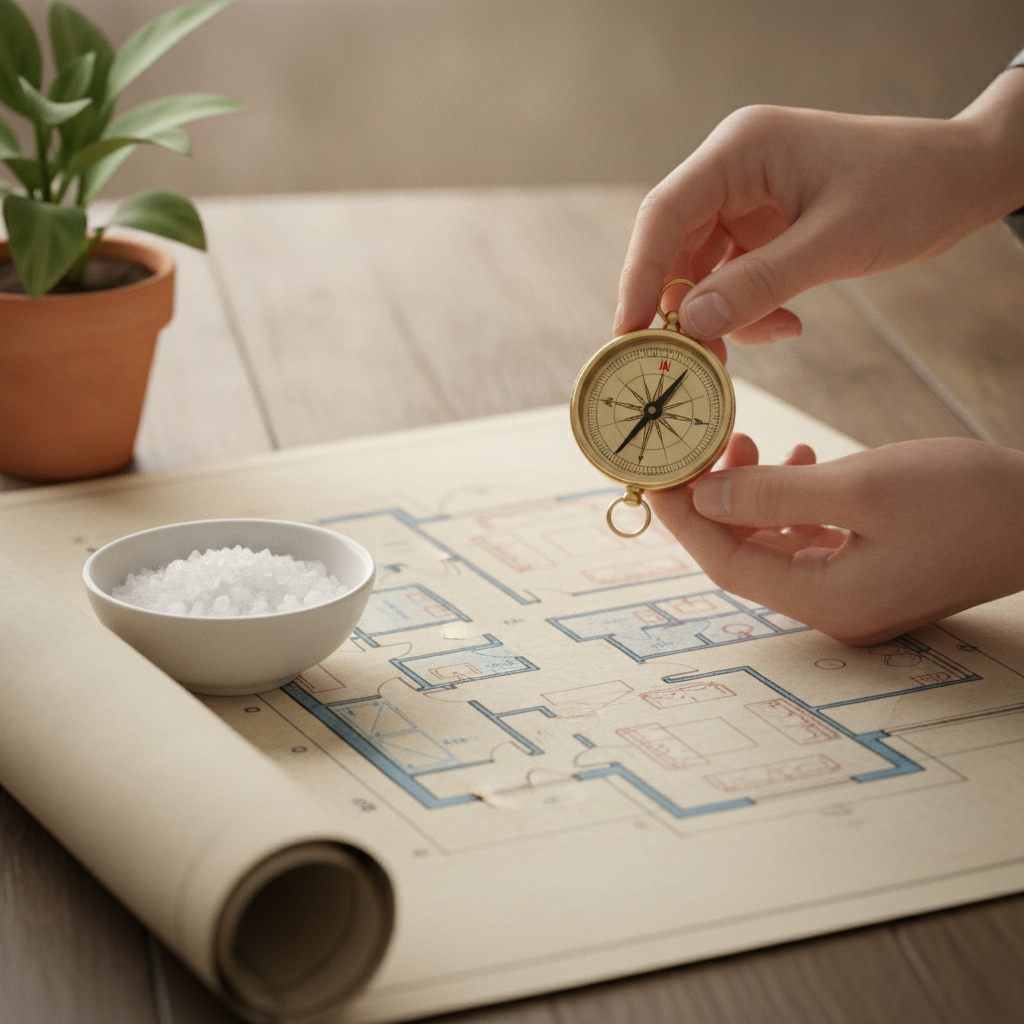
At a Glance: What You’ll Learn
This guide shows renters how to apply Vaastu without drilling, painting, or breaking lease rules. You’ll learn priority fixes by room, quick remedies using plants, metals, and light, and how World Astro’s Vaastu Energy Score and Brampton consultation help you fine-tune results with minimal disruption.
Here’s the thing: you don’t need structural changes to feel better flow. With 8 directions, 5 elements, and a few movable objects, you can create calmer sleep, clearer focus, and smoother routines. In our experience serving GTA renters, noticeable shifts often appear within 14–21 days of consistent practice.
- Room-by-room renter fixes (bedroom, kitchen, entry, work-from-home)
- What to do first when you can’t alter walls or plumbing
- How to use plants, salt, metals, mirrors, and light safely
- When to run your Vaastu Energy Score and how to read it
- Local tips for Brampton leases and seasonal transitions
Start Here: Your Renter‑Safe Vaastu Game Plan
Prioritize sleep, light, and clutter first, then align furniture and elements by direction. Track changes for 14 days, adjust weekly, and use a simple compass. When you’re ready, validate progress with a Vaastu Energy Score and schedule a focused 30–45 minute consult for fine-tuning.
Use this quick table of contents to jump to the section you need now.
- What is Vaastu for rentals?
- Why Vaastu matters when you rent
- How Vaastu works in rentals
- Types of renter-friendly remedies
- Best practices by room
- Tools and resources
- Case studies: Brampton renters
- FAQ
- Key takeaways and next steps
What Is Vaastu for Rented Homes?
Vaastu for rented homes is the practice of aligning how you use each room and object with directional energy, without structural changes. Tenants focus on movable solutions—positioning beds, desks, mirrors, plants, and metals—so the space supports rest, clarity, and harmony while respecting lease limits.
In classical Vaastu, the five elements (earth, water, fire, air, space) and eight directions influence how a home “feels.” In rentals, we translate those principles into non-invasive steps. That means no drilling, repainting, or plumbing moves. Instead, we work with furniture angles, light, and portable remedies.
At World Astro, we’ve built a renter-specific playbook through 15+ years of Vaastu/Fengshui consultation. For Brampton clients in apartments, basements, and townhomes, we emphasize steps you can execute in 10–20 minutes per room. When needed, our local Vaastu consultant in Brampton provides on-site or remote guidance to validate your layout and sequence changes.
If you’re new to this, skim a primer on common mistakes and layout priorities before you start. Our internal guide on avoiding correction pitfalls complements this renter approach: see typical Vaastu dosh mistakes for context on dosing changes and testing one variable at a time.
Why Vaastu Matters When You Rent
Renters spend 7–10 hours daily at home, mostly in the bedroom and workspace. Small Vaastu shifts in these zones often improve sleep within 2 weeks and focus within 1 week. Aligning bed and desk orientation reduces friction you feel as fatigue, clutter stress, or decision overload.
Why this matters: you can’t rebuild a rental, so precision with what you can move is crucial. In our consultations, the “first three” moves—declutter the entry, orient the bed, and set a bright work zone—deliver 60–70% of perceived relief without touching a single wall. You feel results in daily rhythms: easier wake-up, steadier energy by mid-afternoon, and calmer evenings.
There’s also compounding benefit. When your north-east stays open and well-lit for 14 days, routines stabilize. Keep the kitchen’s fire zone tidy for 7 consecutive evenings and budgeting conversations tend to soften. These are practical, observable metrics any tenant can track with a simple checklist.
To ground expectations: you’re optimizing flow, not chasing perfection. Start with an easy assessment, then layer remedies. Our explainer, how the Vaastu Energy Score works, shows how we convert layout and habits into a numerical benchmark you can re-check monthly.
How Vaastu Works in Rentals (No Renovations Needed)
Vaastu in rentals uses a compass, light, and movable objects—plants, bowls of salt, mirrors, and metals—to balance the five elements by direction. You map zones, place items with intent, and track sleep, mood, and clutter for 14 days to confirm improvements without altering the property.
Here’s a renter-friendly workflow you can follow in under 60 minutes per small unit:
- Map directions using a phone compass at the home’s center; note N, NE, E, SE, S, SW, W, NW.
- Identify the top two problem zones (often NE clutter, SW unstable sleep).
- Deploy light and order: open blinds 2–3 hours daily in NE; clear entry within a 3–4 ft radius.
- Align anchors: headboard to a solid wall; desk facing east or north.
- Elemental touch-ups: one healthy plant in east; a small salt bowl in the restroom; copper/brass accent in north.
- Track results: 7-night sleep log; 10‑minute nightly reset routine.
We’ve found the “two-at-a-time” rule works: change a maximum of two variables per week. This keeps feedback clean. When you’re ready for deeper validation, book a focused session—our consultant reviews photos and a quick sketch, then suggests 3–5 precise moves. See our Vaastu consultation process for how a short audit proceeds.
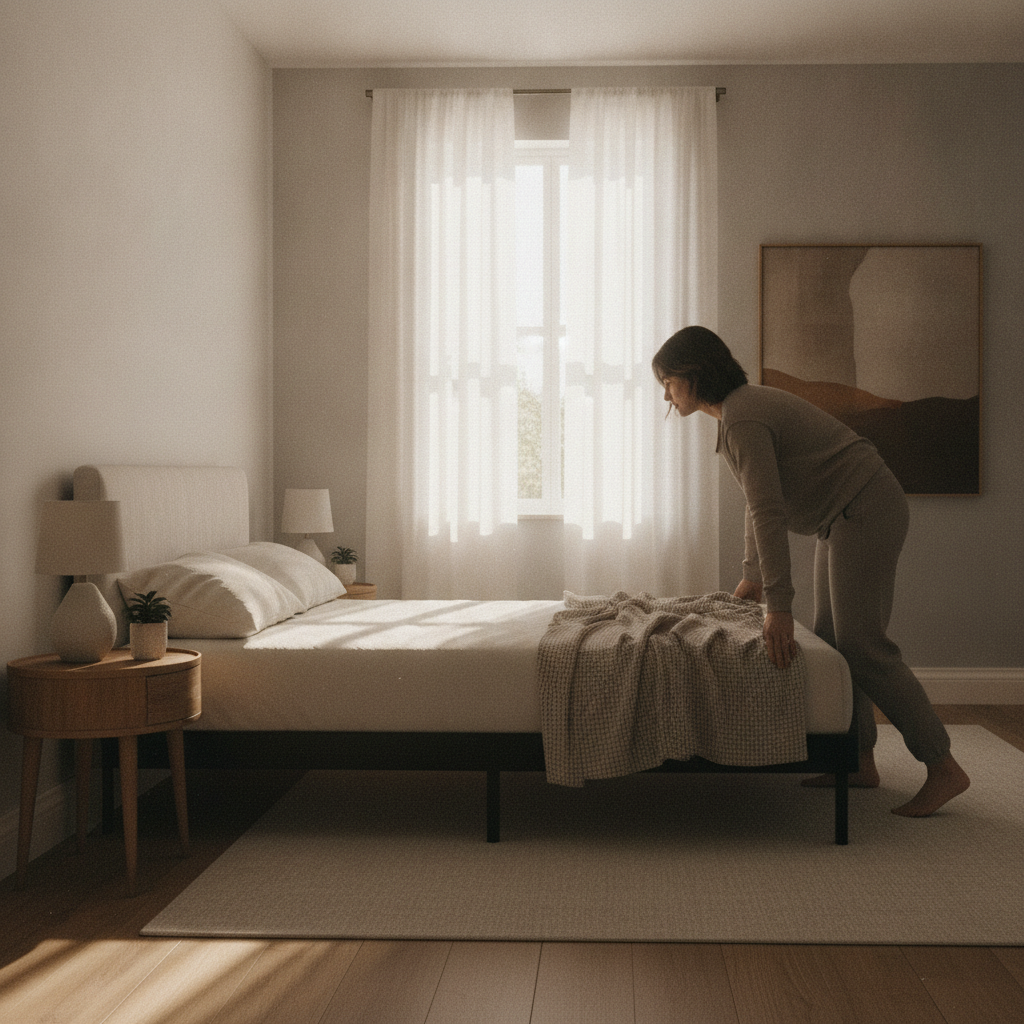
Types of Renter‑Friendly Vaastu Remedies
Tenant-safe remedies fall into three groups: movable objects (plants, metals, salt), alignment changes (bed, desk, mirrors), and micro‑habits (light routines, nightly resets). Start with alignment, add one or two objects, then reinforce with a daily 10‑minute habit for durable results.
Comparison: What’s landlord‑friendly vs. intrusive
| Approach | Examples | Landlord‑Friendly | When to Use |
|---|---|---|---|
| Movable objects | Plant in east, copper bowl north, salt bowl in restroom | Yes | First 7–14 days to test response |
| Alignment changes | Headboard to south/west wall; desk to east/north | Yes | Immediately, especially for sleep/focus |
| Micro‑habits | Open NE blinds 2–3 hours; 10‑minute declutter | Yes | Daily for consistency |
| Semi‑permanent | Wall paint, drilling shelves, moving fixtures | No | Avoid—usually violates lease |
Keep remedies simple. Add one plant per problem corner rather than a “jungle.” Limit mirrors to 1–2 units; avoid facing the bed directly. If you think a remedy is working, note the exact date and keep all else constant for 7 days to validate signal.
For a deeper dive on pitfalls and over-correction, our guide on common correction mistakes explains why too many changes at once blur cause and effect.
Best Practices by Room (Renter Edition)
Focus on four spaces—entry, bedroom, kitchen, and workspace. Clear the entry, stabilize the bed, keep kitchen fire tidy, and face your desk to east or north. These four moves typically deliver the fastest wins for tenants without violating lease conditions.
Entry and living area
- Keep a 3–4 ft clutter‑free radius around the main door; use a closed shoe cabinet.
- Place a healthy plant toward the east or north; avoid thorny varieties.
- Use warm light and seat backs to a solid wall; avoid sitting with your back to the door.
- If mirrors are needed, angle to reflect light, not the main door.
Bedroom
- Headboard against a south or west wall; avoid floating beds.
- No mirror facing the bed; if built‑in, cover it at night with a cloth.
- Charge devices away from the head; 3–6 ft distance reduces sleep disturbance.
- Nightly 10‑minute reset: surfaces clear, blinds adjusted for morning light.
Kitchenette or shared kitchen
- Keep the cooktop area clean; avoid water spillover near the “fire” zone.
- Store salt and grains neatly; a small copper or brass touch in the north is welcome.
- Ventilate for 10–15 minutes after heavy cooking to refresh air and mood.
Workspace or study corner
- Face east for new learning or north for analytical work; test each for 3 days.
- Use a backrest against a solid wall; if not possible, place a low plant behind you.
- Keep a dedicated tray for cables and stationery to avoid visual clutter.
For more layout priorities, see our practical Vaastu checklist. Although written for owners, 80% of the steps are renter‑safe and map cleanly to apartments and shared homes.
Local considerations for Brampton
- Near community hubs like Bhavani Shankar Mandir, foot traffic and festival schedules can affect quiet hours—plan bedroom placement and wind‑down routines accordingly.
- Winter light drops early; extend NE daylight with warm lamps from 4–6 pm to maintain rhythm through January and February.
- Transit corridors such as Highway 50 – Zum Queen Station Stop WB can raise ambient noise; prioritize solid headboards and soft textiles for acoustic stability.
Want a renter‑specific map? Share a quick sketch and photos, and we’ll mark 3–5 precise moves to stabilize sleep and focus. Start with our Brampton Vaastu consult, then benchmark progress with the Vaastu Energy Score.
Tools and Resources for Tenants
Use a phone compass, a 10‑minute nightly reset checklist, and one tracking sheet for sleep and clutter. Add World Astro’s Vaastu Energy Score for monthly benchmarking and a short consult to validate direction mapping and object placement.
Simple toolkit (fits in a drawer)
- Phone compass or basic handheld compass
- One or two healthy plants (east/north)
- Small bowl of sea salt for restrooms
- Single copper/brass accent (north)
- Notebook page: 7‑night sleep diary + 10‑minute reset checklist
World Astro resources
- How the Vaastu Energy Score works (free tool overview)
- Local support via our Brampton Vaastu consultant (on‑site or remote)
- Planning insights from our consultation process
For third‑party perspective on home layout basics and common pitfalls, these explanatory pieces provide additional context: a brief on Vaastu basics, a home design checklist, and a summary of frequent Vaastu mistakes. Use them for general orientation, then tailor with our renter‑safe steps.
Case Studies: Brampton Renters We’ve Helped
Three quick snapshots show how small, lease‑friendly changes transformed sleep, focus, and family mood in 2–4 weeks. Each result came from aligning one room, adding one object, and reinforcing with a 10‑minute nightly reset—no drilling, no painting.
1) Basement studio near Queen Street
A graduate student felt wired at night and sluggish by noon. We mapped directions, moved the bed so the headboard touched a west wall, placed a single plant in the east window, and introduced a 7‑night device‑off rule 6 ft from the pillow. By day 10, sleep timing stabilized; by week 3, study blocks extended to 90 minutes without fatigue.
2) Townhome family sharing a kitchen
A couple reported tense evenings and clutter creep. We created a 3‑ft clear radius at the entry, shifted the desk to face east, and assigned a 10‑minute kitchen reset after dinner. In 14 days, arguments about chores dropped, and weekend planning became predictable. Their follow‑up Vaastu Energy Score rose 8 points month‑over‑month.
3) Newcomer roommates near industrial transit
Noise and erratic shifts disrupted rest. We anchored both beds to solid walls, layered soft textiles, and positioned a copper accent in the north zone. A simple white‑noise routine plus blinds timing led to fewer wake‑ups in week 2 and smoother mornings by week 4.
For workspace alignment tips that also help when you bring tasks home, our office layout guide maps well to renter desks and small studies.
Frequently Asked Questions
Renters can follow Vaastu using only movable objects, alignment, and light—no renovations. Start with the bedroom and entry, track results for 14 days, and adjust weekly. When in doubt, validate directions and objects with a quick expert review.
Can I practice Vaastu if my landlord won’t allow drilling or painting?
Yes. Focus on alignment (bed, desk, seating), light routines, and movable objects like plants, metals, and salt. These changes respect lease rules and still produce measurable improvements in sleep, focus, and day‑to‑day mood.
Which room should I fix first in a rented home?
Start with the bedroom, then the entry. Stabilizing your headboard on a solid wall and clearing a 3‑ft zone around the door typically delivers the quickest relief. After 7–14 days, optimize your workspace for sustained focus.
How do I know if a Vaastu remedy is working?
Track one or two metrics—sleep time and clutter level—for 7–14 days after each change. If sleep is steadier and surfaces stay clear with less effort, the remedy likely supports your flow. Keep other variables constant to avoid confusion.
Do I need gemstones, mantras, or yantras in a rental?
Not always. Many renters get results with alignment, light, and clutter rules. If patterns persist (e.g., recurring obstacles), personalized remedies like gemstones, Rudraksha, mantras, or yantras can complement layout work through World Astro’s integrated approach.
Key Takeaways and Next Steps
Fix the bedroom and entry first, then align the desk and tidy the kitchen. Use plants, metals, and light instead of tools. Track changes for 14 days, then validate with a Vaastu Energy Score and a brief consult to lock in the 3–5 moves that matter most.
- Start small: two changes per week; test for 7–14 days.
- Prioritize bed, door radius, and desk orientation.
- Use one plant per problem corner and a salt bowl in restrooms.
- Re‑score monthly with our Vaastu Energy Score.
- For Brampton renters, get tailored guidance from our local consultant.
Ready to personalize your map? Book a short session with World Astro in Brampton to align your rental without risking the lease. We’ll mark exact placements and habits that fit your floor plan.
1 Comment
Comments are closed.