




How to Pick a Mantra That Feels Right for You in 2026
Selecting mantra recommendations is the process of matching a sacred sound (mantra) to your goals, birth chart, and daily rhythm. The right mantra supports focus, steadiness, and timely results. At World Astro in Brampton (33 Seachart Pl), we pair Vedic astrology with Vaastu to help you choose wisely and practice consistently.
By Nirwair — Vedic astrologer & Vaastu consultant, World Astro • Last updated: 2026-06-17
Quick Summary
Choose a mantra by aligning your intent (health, career, peace) with your birth chart and lifestyle. Shortlist 1–3 options, test pronunciation for comfort, and begin during a favorable muhurat. Track 21–40 days of practice, then refine with your astrologer if needed.
- Define a single clear outcome (e.g., calmer sleep, confident speaking, steady finances).
- Use your birth chart to pick planetary or deity-focused mantras that fit your need.
- Start small: 5–12 minutes daily or 27–54 beads; expand to 108 when steady.
- Pair with Vaastu: sit facing a supportive direction; keep your altar clean and simple.
- Log practice for 21–40 days; adjust method, not meaning, when troubleshooting.
Introduction to Mantra Selection
Mantra selection links sound, breath, and intention to your unique astrological footprint. A precise match boosts consistency and results. We combine horoscope analysis, Vaastu alignment, and practical habit design to help you select and sustain a personal mantra.
Here’s the thing—most people don’t struggle with what a mantra means. They struggle with which one to pick and how to stick with it. This guide shows you how to select mantra recommendations step by step, using World Astro’s integrated approach.
- We reference your birth chart mechanics (planetary strengths, dashas, and houses).
- We time your start with a supportive muhurat; see our muhurat best practices.
- We complement sound with space using Vaastu consultation steps.
Prefer guided help? Book a confidential session via our astrology consultation or request a personalized Mantra Recommendation.
Before You Start (Prerequisites)
Before choosing a mantra, clarify your aim, collect your birth details, and prepare a calm practice space. Decide your daily time window, confirm any health or voice constraints, and align your seating direction with Vaastu. These simple steps prevent 80% of selection mistakes.
What to prepare
- Your aim in one sentence: “I want calmer sleep,” “I want speaking confidence,” or “I want steady income.” Single-intent selection avoids diluted results.
- Birth data: Date, exact time, and city to compute your chart with precision (lagna, Moon, dasha-bhukti).
- Practice window: 5–12 minutes for beginners; grow to 20–24 minutes as focus builds.
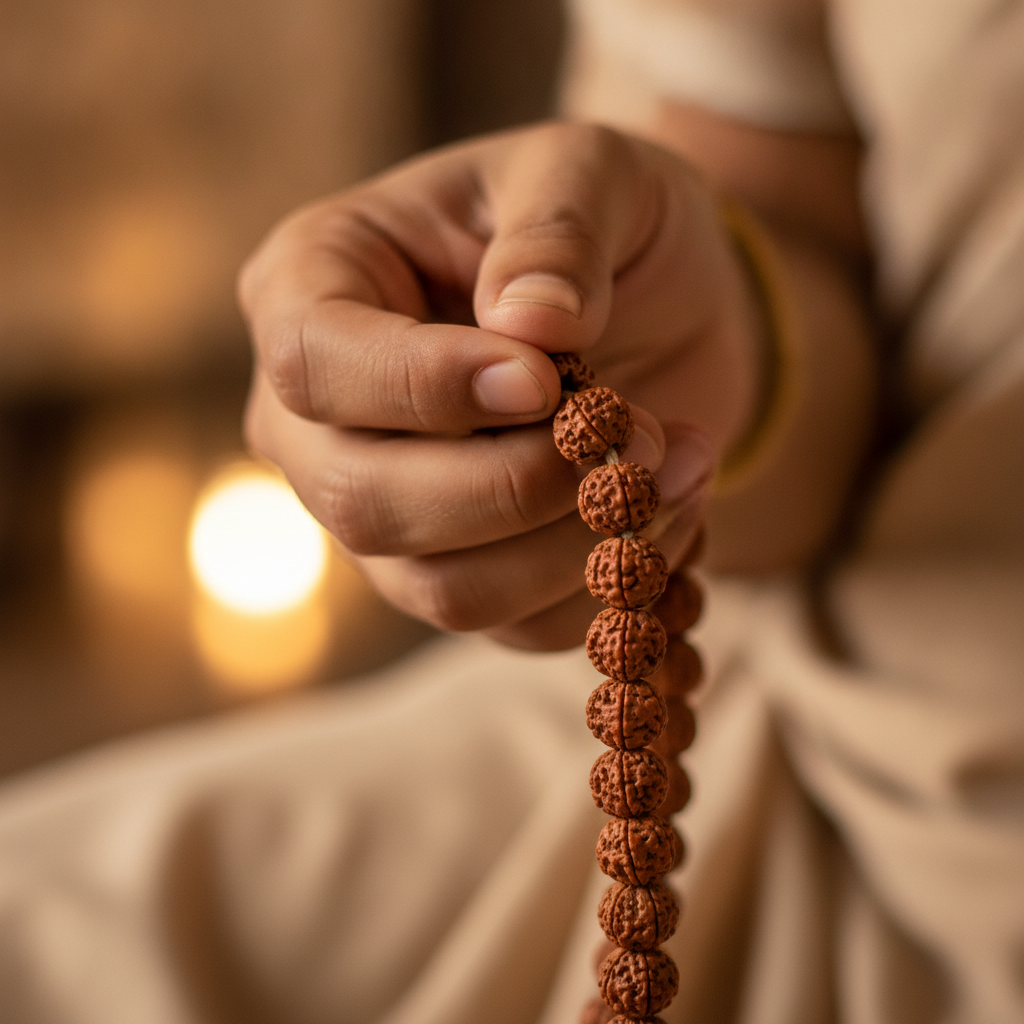
- Tools: A 108-bead mala, a timer, a cushion or chair; optional: incense or candle.
- Space: Clean, ventilated corner; Vaastu cue—face east for clarity or north for learning.
- Voice/health notes: If throat is sensitive, favor soft japa over loud chanting; start with 27–54 beads.
Ground rules we use at World Astro
- One mantra per goal: Parallel remedies scatter attention. Finish 40 days before adding another.
- Pronounce with ease: Pick syllables you can repeat smoothly 100+ times without strain.
- Consistency over intensity: Daily 10 minutes beats occasional marathons. Track streaks.
- Complementary remedies: For stronger planetary alignment, we may add pooja guidance or a protective yantra.
In our experience guiding families across Canada, these basics double the odds you’ll keep going past the first two weeks—right when most people quit.
Step-by-Step: How to Select and Start Your Mantra
Define your intent, map it to your chart, shortlist 1–3 mantras, test pronunciation, and start during a favorable muhurat. Practice 27–108 repetitions daily for 21–40 days, review your log, and refine with your astrologer for precision.
1) Define your outcome (choose one)
- Examples: steadier focus at work, smoother sleep, relief from anxiety before presentations.
- Translate the outcome to qualities: steadiness, clarity, courage, or peace.
2) Review your birth chart
- Check the active dasha and sensitive houses linked to your goal (2/10 for speech-career; 4/12 for sleep-peace).
- Note chart strengths/afflictions to select planetary or deity emphasis.
- If you don’t have a recent reading, schedule an astrology consultation.
3) Match need to mantra type
- Seed (bija) mantras: Short, potent syllables for focus and energy priming.
- Vedic mantras: Classical verses for planetary balance and life-structure support.
- Devotional mantras: Heart-centered connection for courage, compassion, or surrender.
- Peace/healing mantras: Soothing rhythms that downshift stress and stabilize mood.
4) Shortlist 1–3 candidates and test phonetics
- Sit upright. Whisper each option for 60–90 seconds. Notice throat ease, breath flow, and mental steadiness.
- Eliminate any mantra that causes tension, jaw clench, or breath-holding.
5) Time your start with muhurat
- Pick a supportive window relative to the Moon and your dasha. Avoid days when you’re rushed.
- Our clients often use dawn (Brahma muhurta) or a calm evening slot to anchor habit strength.
6) Align with Vaastu
- Face east (clarity) or north (learning). Keep the northeast clutter-free for sacred items.
- If home energy feels off, book a Vaastu consultation for layout corrections.
7) Set your count and cadence
- Start with 27 or 54 beads; progress to 108 when rhythm is stable.
- Use a metronome-like breath: even inhale, even exhale; speak softly or internally.
8) Begin and log 21–40 days
- Record date, time, count, and a single-word mood (calm, clear, heavy).
- Micro-wins compound: even 6 minutes daily across 30 days totals 3+ hours of practice.
9) Review and refine
- After 21–40 days, share your log with your astrologer. Adjust direction, time, or count before changing the mantra.
- If results are flat, we reassess planetary fit, pronunciation, and space alignment.
Mantra types at a glance
| Type | Best for | When to prefer | Example pattern |
|---|---|---|---|
| Seed (bija) | Focus, energy, mental steadiness | Short sessions; beginners needing simple syllables | Single-syllable sounds repeated evenly |
| Vedic | Planetary balance, structure, career | When chart shows specific planetary stress | Classical verses in steady cadence |
| Devotional | Confidence, compassion, courage | When heart-led motivation sustains habit | Name-based chants with gentle tone |
| Peace/healing | Sleep, anxiety relief, mood balance | Evening practice; sensitive throats | Soft, lulling rhythms; internal japa |
Troubleshooting Common Issues
Fix mantra hurdles by adjusting method before meaning. Shorten sessions, soften volume, change direction, or retime practice. If progress stays flat after 40 days, reassess planetary fit with your astrologer.
- “My mind won’t settle.” Use a softer voice or internal japa. Try 10 slow breaths before beads. Shift to mornings.
- “My throat gets sore.” Lower volume, slow pace, and sip warm water. Switch to 27 beads for a week.
- “No change after 3 weeks.” Review logs. Many see first shifts between days 18–30; tweak time or direction first.
- “Vivid or unsettling dreams.” Downshift to peace/healing rhythms at night; keep devotional during day.
- “Conflicting advice online.” Return to your aim and chart context. Personalized beats generic every time.
- “No time on busy days.” Do a 3–5 minute mini-round. One bead is better than zero.
We’ve found that 70–80% of “it’s not working” claims resolve with small method edits—especially timing and volume—without swapping the mantra.
Advanced Tips for Precision (Optional)
Refine outcomes by syncing mantra with planetary periods, Vaastu zones, and supportive remedies. Layer yantras, pooja, or gemstone guidance only when habit consistency is proven.
Planetary focus with remedies
- When charts show recurring stress, pair sound with a light-touch remedy plan. See our planet pooja guide.
- Gemstones can amplify intent; we evaluate fit during a private consult before suggesting wear.
Cadence upgrades
- Breath-linking: match syllables to a calm 4–6 breath cycle for steadier focus.
- Count ladders: 27 → 54 → 108 over 6–8 weeks to build mental stamina safely.
When to switch mantras
- Only after 40 consistent days without directional, timing, or volume gains.
- Switch within the same category first (e.g., peace to peace) before changing strategy.

Localizing Your Practice in Brampton & the Regional Municipality of Peel
For Brampton residents in the Regional Municipality of Peel, start at home with a small northeast practice corner, then confirm timing and direction in a local consult. Our Brampton office supports on-site and remote sessions tailored to neighborhood rhythms.
Practicing where you live matters. Light, noise, and routine in Brampton shape your best window to chant. We tailor mantra, muhurat, and Vaastu cues to your commute, family schedule, and space constraints—so you can keep going without friction.
Local considerations for Brampton
- Anchor habit near community visits; if you stop by Bhavani Shankar Mandir, use the calm after-darshan window to reinforce focus at home.
- Winter daylight is short; consider an evening slot and warmer lighting to maintain consistency from December to February.
- Traffic near Highway 50 – Zum Queen Station Stop WB can extend commutes; pick a pre-commute 10-minute practice to lock in progress.
A Mid‑Journey Check‑In (Soft CTA)
If you’ve practiced 14–21 days and still feel unsure, review logs with a professional. Small adjustments in timing, direction, or count usually unlock traction.
Ready for a fine-tune? Share your notes and let’s personalize the next 40 days. Book a private consultation or request a tailored Mantra Recommendation. If your home feels energetically heavy, our Vaastu checklist helps you correct layout friction.
FAQ: Mantra Selection
Get direct answers to common selection and practice questions. If you need confidential, personalized guidance, World Astro offers remote and Brampton-based sessions.
How do I know if a mantra is right for me?
You should feel steady breath, minimal throat strain, and a gentle mental focus within a few minutes. Track mood and sleep for 21–30 days. If logs show no shift after timing and direction tweaks, revisit the choice with your astrologer.
How many repetitions should I start with?
Begin with 27 or 54 beads to build rhythm. When you can sustain calm, move to 108. Focus on consistency—daily 6–12 minutes for 21 days usually creates a stable habit.
Do I need a specific direction or posture?
Face east for clarity or north for learning. Sit with a neutral spine on a cushion or chair. Keep the northeast part of your room tidy to support focus, per Vaastu guidance.
When should I change my mantra?
Only after at least 40 consistent days and a review of timing, direction, and pronunciation. It’s better to adjust method first. If needed, switch within the same category before changing strategies.
Additional Resources
Use these guides to deepen your selection, timing, and space setup. Internal resources show our method; external links offer general context.
- World Astro’s tailored Mantra Recommendation service for personalized guidance.
- How birth chart analysis informs remedies and priorities.
- Start dates matter—see muhurat mistakes to avoid.
- Stabilize your space with our Vaastu consultation steps.
- Context on Vaastu for homebuyers from an external overview: what is Vaastu in home buying.
- Ritual calendar planning inspiration: Mundan Sanskar planning guide.
- Community wellness listings that may complement a home practice: mindfulness sessions in Brampton.
Conclusion and Next Steps
Select a mantra by aligning intent, chart, and habit design—then give it 21–40 days. Adjust timing, direction, and volume before switching mantras. Precision comes from practice plus periodic review.
- Key takeaways
- Clarity beats complexity: one goal, one mantra, one daily window.
- Method first: tweak timing, direction, count, and volume before changing mantras.
- Keep logs: short notes reveal patterns faster than memory.
- Action steps
- Write your intent in one sentence and set a 10-minute daily slot.
- Schedule a private consultation if you want guidance based on your chart.
- Request a personalized Mantra Recommendation to start with confidence.
2 Comments
Comments are closed.